01
Consultation
Technical needs assessment


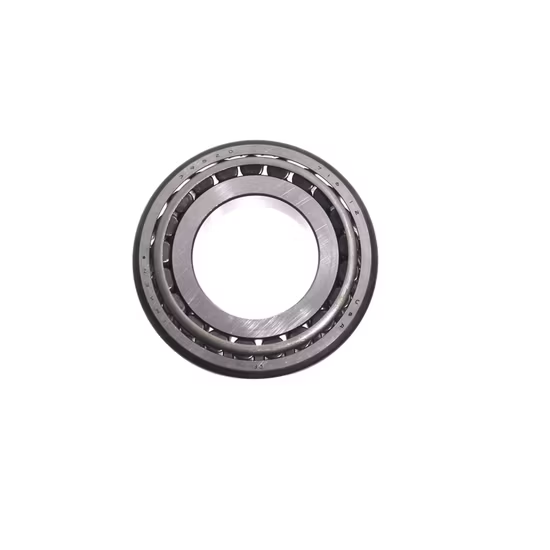
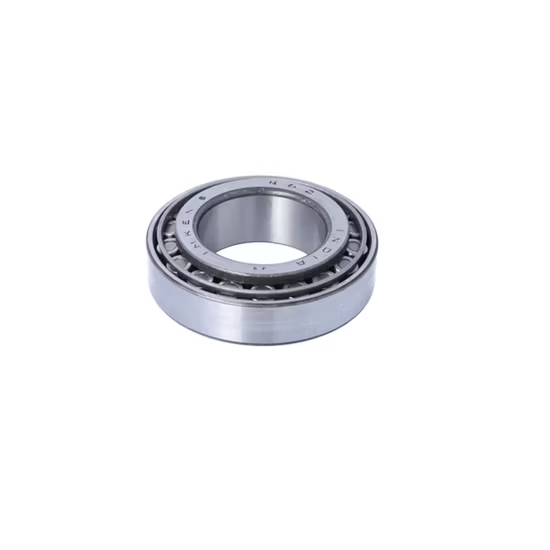
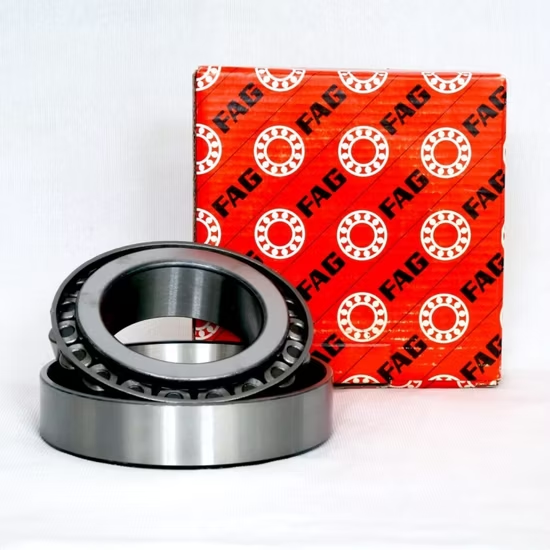


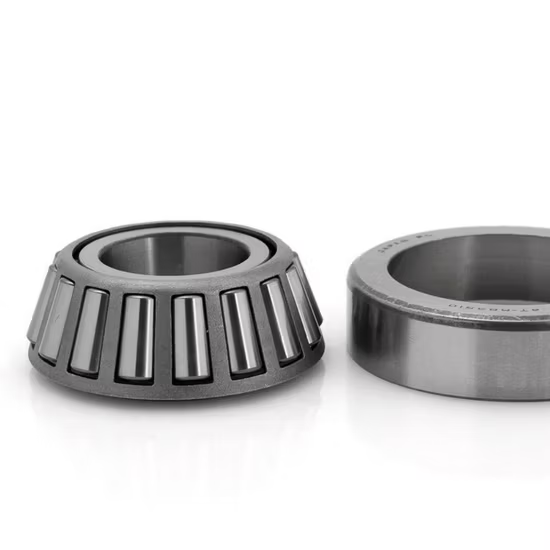
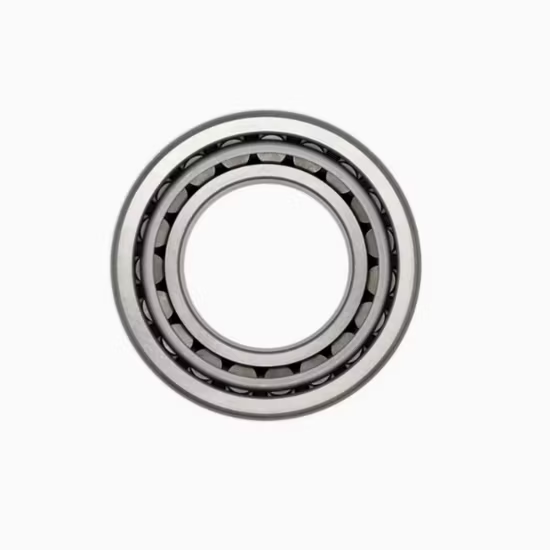
32945 32946 32948 Single Row Tapered Roller Bearing P4 — Engineered for automotive wheel hubs and industrial gearboxes to handle heavy combined loads.
Full Batch Traceability Guaranteed — Every 32945 32946 32948 tapered roller bearing ships with verifiable lot documentation linking directly back to the original manufacturer's production facilities.
| Parameter | Value |
|---|---|
| Designation | 32945 32946 32948 |
| Bearing Type | Tapered Roller Bearing (Single Row) |
| Precision Class | P4 |
| Cage Material | Nylon / Brass / Iron options |
| Material | GCr15 bearing steel |
| Origin | Germany / Japan / Sweden / Malaysia / China |
| Certification | Certificate of Conformity, Batch Traceability |
| Industry | Typical Applications |
|---|---|
| Automotive & Heavy Vehicles | Wheel hub assemblies, differential carriers, heavy-duty axle endpoints |
| Industrial Gearboxes | Helical and bevel gear reduction units, conveyor drive shafts |
| Building Material Machinery | Crusher eccentric shafts, vibrating screen exciters, kiln support rollers |
Precision P4 tolerance alone cannot prevent thermal binding if the internal clearance is mismatched to the operating temperature.
I have seen too many heavy-duty axles lock up on Latin American routes because standard clearance bearings were installed where thermal expansion demanded a C3 equivalent. When a 32945 32946 32948 tapered roller bearing operates under high friction and heavy radial loads, the inner ring expands faster than the housing. If the cross-reference only checks the base designation and ignores the internal geometry, the rolling elements bind . This leads to catastrophic cage failure long before the steel reaches its fatigue limit.
Sourcing the correct single-row taper design requires looking beyond the basic dimension series. These designations handle combined radial and axial loads, but the exact load ratio dictates the required contact angle and roller profile. We verify the application parameters to ensure the selected unit handles the specific thrust component without edge-loading the rollers, providing stable rotation in demanding drivetrain and gearbox environments.
Automotive wheel hubs and industrial gearboxes subject bearings to severe shock loads and rapid temperature fluctuations. In axle applications, contaminated environments demand proper sealing solutions at the housing level, as open taper designs rely on external seals to retain grease and exclude moisture. Inside gearboxes, splash lubrication must be sufficient to reach the roller-cage interface at varying speeds. Elevated operating temperatures thin the lubricant film, making the P4 precision class essential for maintaining accurate running accuracy and preventing localized stress concentrations .
The P4 precision class ensures tighter dimensional and running accuracy compared to standard P0 grades, which is critical for minimizing vibration in high-speed gear reduction units. For the cage material, the choice depends entirely on the operational environment. Nylon cages offer excellent friction reduction and perform well in standard temperature ranges with good lubrication. Brass cages provide superior durability under heavy shock loads and elevated temperatures, while iron cages serve as a cost-effective alternative for moderate, steady-state applications. Selecting the right cage prevents premature wear and ensures the bearing survives the specific dynamic stresses of the machinery.
Installing a bearing without verifying the internal design against the equipment's actual load profile leads to unplanned downtime and severe collateral damage. When a mismatched unit fails, it often destroys the adjacent shaft journal and housing bore, turning a simple component swap into a major assembly rebuild. According to failure mode classification frameworks , geometric stress concentration and smearing are direct results of improper mounting preload or clearance selection, ultimately voiding equipment warranties and halting production lines.
Sourcing mixed-brand requirements for a fleet overhaul or gearbox rebuild is simplified through our authorized distribution channels. We do not just match the base number; we verify the internal clearance, cage material, and precision suffixes to ensure exact cross-brand interchangeability. Our technical team reviews your specific load, speed, and temperature parameters to prevent the common error of installing standard clearance units in high-heat applications. Every shipment includes full batch traceability, eliminating the risk of counterfeit components with soft inner rings that cause sudden field failures.
To ensure the selected designations perfectly match your machinery, please provide the specific radial and axial load calculations, operating speeds, and expected temperature ranges. Sharing the original OEM equipment numbers allows our engineering team to perform a comprehensive cross-reference check, verifying that the internal geometry and clearance class align with your exact application requirements.
Q: How do I verify the authenticity of multi-brand tapered roller bearings?
A: Procure strictly through authorized channels and demand full batch traceability documentation. Every genuine unit can be verified using the manufacturer's official mobile application via QR codes. We also provide dimensional and running accuracy inspection reports to confirm the P4 precision class before the components are shipped to your facility.
Q: Why must clearance and precision suffixes be matched during cross-reference interchange?
A: Matching only the base designation ignores critical internal geometry. A standard clearance bearing installed in a high-temperature axle will thermally bind, while a P0 grade used in a precision gearbox will cause excessive vibration. We verify all suffixes to ensure the replacement handles your specific thermal expansion and accuracy requirements without premature failure.
Q: What are the running accuracy differences between standard P0 and P4 precision classes?
A: P4 precision offers significantly tighter tolerances for bore, outside diameter, and running accuracy compared to standard P0 grades. This reduced geometric deviation minimizes vibration and heat generation, which is essential for maintaining stability and extending service life in high-speed industrial gearboxes and precision automotive wheel hub assemblies.
Q: How should I select the correct cage material for my operating conditions?
A: The choice depends on temperature, speed, and load shocks. Nylon cages reduce friction in standard conditions, brass cages withstand heavy shock loads and higher temperatures, and iron cages suit moderate applications. Provide your specific operating parameters so we can recommend the optimal cage material to prevent structural fatigue and ensure reliable rotation.
Q: What are the recommended mounting practices for single-row tapered roller bearings?
A: Single-row designs require precise axial clearance adjustment during installation. Use controlled induction heating for the inner rings to avoid damaging the P4 precision raceways, and strictly follow the OEM preload specifications. Improper mounting or incorrect clearance setting will lead to geometric stress concentration and rapid degradation of the rolling elements.
Our 5-step process ensures every order is engineered, validated, and supported for optimal performance.
Technical needs assessment
Custom specifications
Free samples for $50k+
Pre-shipment inspection
On-site & predictive
Our certified engineers respond within 24 hours with detailed technical specifications, pricing, and lead time information.