01
Consultation
Technical needs assessment

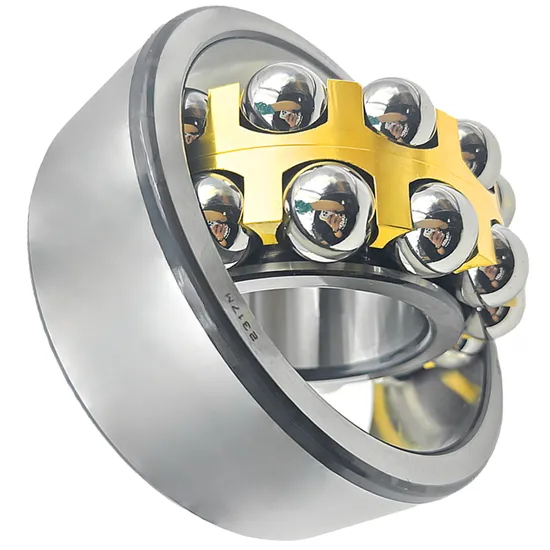
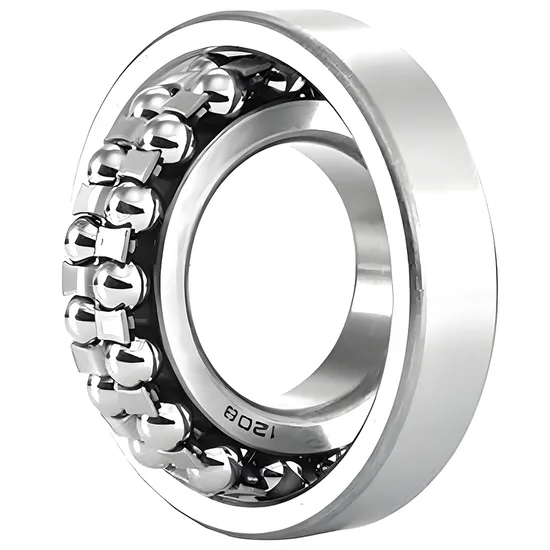
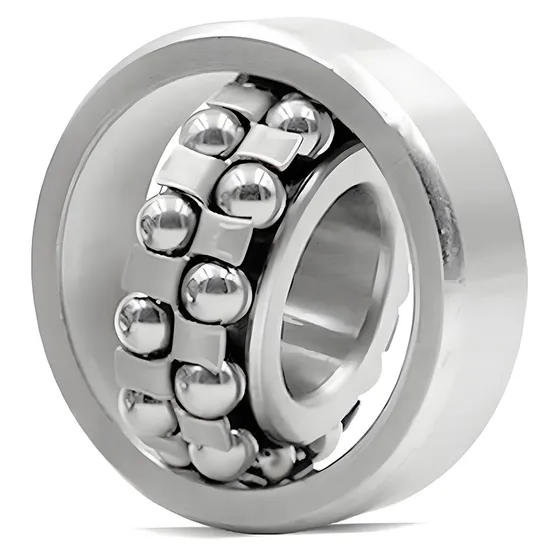
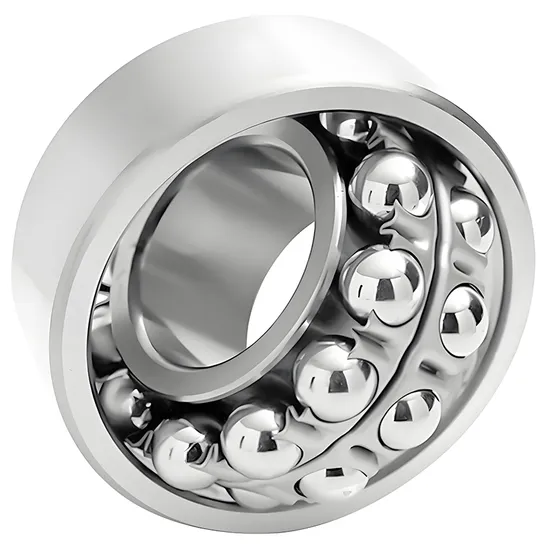

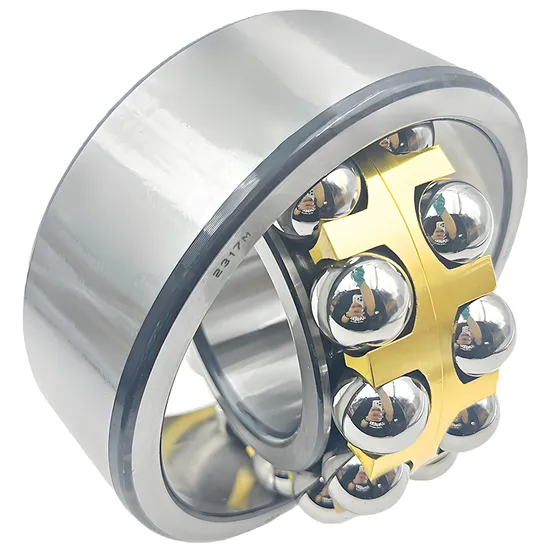
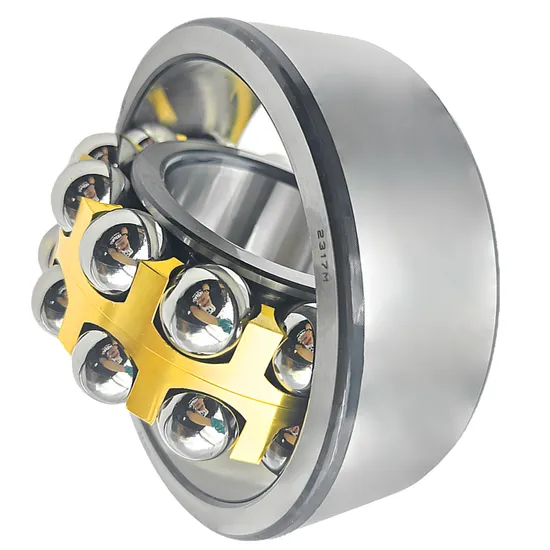
Ns K 1316-1320 Self-Aligning Ball Bearing — supplied in open, rubber-sealed, and iron-shielded variants to accommodate shaft misalignment across electric motor and industrial gearbox applications.
Official App Verification — Scan the QR code on every Ns K 1316-1320 self-aligning ball bearing package to confirm factory origin instantly.
| Parameter | Value |
|---|---|
| Designation | Ns K 1316-1320 |
| Bearing Type | Self-Aligning Ball Bearing |
| Seal or Shield Type | Open, Rubber Seals, Iron Seals |
| Origin | Germany, Japan, Sweden, Malaysia, China |
| HS Code | 848210 |
| Industry | Typical Applications |
|---|---|
| Electric Motors | Rotor shaft support in high-temperature or misaligned motor assemblies |
| Pumps | Impeller shaft alignment in centrifugal water and chemical pumps |
| Conveyors | Idler roller and drive shaft mounting in material handling systems |
| Gearboxes | Intermediate shaft support accommodating minor housing deflections |
Mismatched internal clearance turns a standard replacement into a rapid failure point.
Sourcing the correct Ns K 1316-1320 self-aligning ball bearing requires looking far beyond the base number. I have seen countless motor assemblies in the Pearl River Delta fail prematurely because standard clearance variants were installed in high-heat environments. When internal expansion outpaces the designed gap, the rolling elements bind, generating excessive friction that quickly destroys the cage and seizes the shaft . Counterfeit products often exacerbate this by using soft inner rings that deform under load, masking the problem until catastrophic failure occurs.
Selecting the right variant ensures the Ns K 1316-1320 self-aligning ball bearing survives the specific operational demands of your equipment. We review your exact thermal and load profiles to recommend the appropriate seal configuration and internal geometry. This application-based selection prevents the common trap of installing a basic open variant in a dusty conveyor drive or a sealed unit in a high-speed motor where heat dissipation is critical.
Electric motors and gearboxes subject bearings to combined radial loads and continuous thermal cycling. Elevated operating temperatures reduce the effective internal clearance, making the selection of C3 or C4 classes essential to prevent thermal binding. Furthermore, slight housing deflections or shaft misalignments demand the self-aligning capability of the outer ring spherical raceway. Proper seal selection—whether iron shields for low friction or rubber seals for moisture exclusion—dictates the balance between contamination protection and operating temperature .
The 1316 through 1320 series designations indicate a progression in bore diameter and load capacity, but the unseen suffixes dictate actual field performance. An open design allows for efficient heat dissipation and external relubrication, ideal for enclosed gearboxes. Iron shields provide basic dust protection with minimal friction, while rubber seals offer superior moisture exclusion at the cost of higher operating temperatures. Verifying the exact clearance class and cage material is mandatory; a stamped steel cage behaves entirely differently under vibration compared to a machined brass alternative.
Installing a component without verifying the internal geometry leads to unplanned downtime and severe secondary damage. A bearing that binds thermally will transfer excessive heat to the motor windings and shaft journals, resulting in catastrophic equipment failure. According to ISO 281 standards, operating outside the designated clearance and temperature parameters drastically reduces the calculated fatigue life . This premature failure not only voids equipment warranties but also forces costly emergency repairs and production halts.
Our multi-brand authorization means you can consolidate mixed-brand requirements into a single, fully traceable order. We cross-reference your OEM equipment numbers to ensure the clearance, cage material, and seal type match perfectly, rather than just supplying a base number equivalent. Every batch is verified through official brand applications, eliminating the risk of cloned QR codes and soft counterfeit rings. Our technical team reviews your specific load and speed parameters to confirm the selection before shipment, ensuring the component fits the application, not just the housing.
To ensure precise technical alignment, please provide your specific radial and axial load calculations alongside the operating speed and ambient temperature. Sharing the exact OEM equipment number allows our engineering team to perform a thorough cross-reference check, verifying that the internal design and clearance class match the original specifications. This data enables us to conduct a comprehensive selection review and confirm the optimal variant for your application.
Q: How do I verify the authenticity of the received components?
A: Every genuine unit features a unique QR code that can be scanned using the manufacturer's official mobile application. This digital verification confirms the production batch, origin, and authenticity, protecting your operation from sophisticated counterfeits that utilize cloned codes and substandard metallurgy.
Q: What cross-reference factors matter beyond the base number?
A: A direct numerical match is insufficient if the internal clearance, cage material, or seal type differs from the original equipment requirement. We verify these critical suffixes to ensure the replacement handles the exact thermal expansion and contamination levels of your specific motor or gearbox application.
Q: How do I choose between open, rubber, and iron seal variants?
A: Open variants suit enclosed, regularly relubricated gearboxes, while iron shields offer low-friction dust protection for high-speed motors. Rubber seals provide maximum moisture and contaminant exclusion but generate higher friction heat, making them ideal for slower-speed or harsh-environment pump applications.
Q: How does internal clearance affect motor operations?
A: Standard clearance may suffice for ambient temperatures, but high-heat motor environments require C3 or C4 clearance to accommodate thermal expansion. Installing a standard variant in a hot application causes the internal gap to close, leading to thermal binding, excessive friction, and rapid seizure.
Q: What documentation accompanies the shipment?
A: We provide a comprehensive documentation package including a Certificate of Conformity, batch traceability records, material test reports, and dimensional inspection certificates. This ensures full compliance with your quality management systems and facilitates smooth customs clearance across international borders.
Our 5-step process ensures every order is engineered, validated, and supported for optimal performance.
Technical needs assessment
Custom specifications
Free samples for $50k+
Pre-shipment inspection
On-site & predictive
Our certified engineers respond within 24 hours with detailed technical specifications, pricing, and lead time information.