01
Consultation
Technical needs assessment

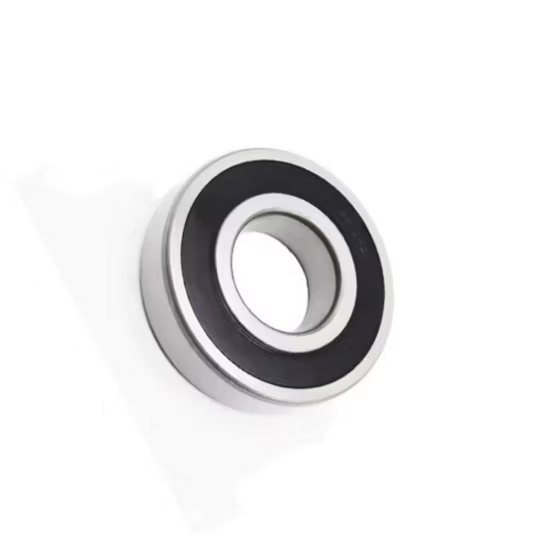
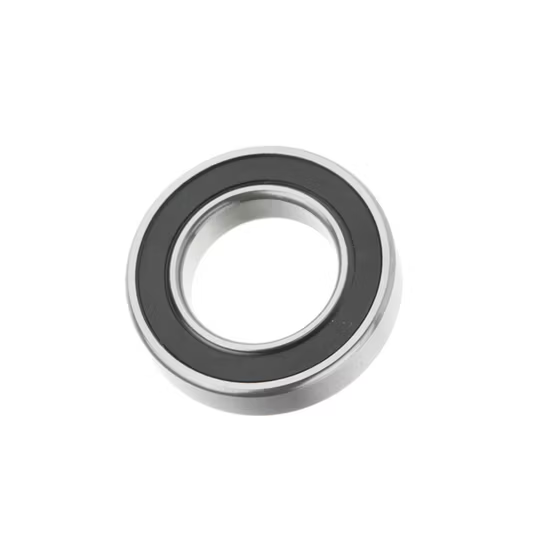
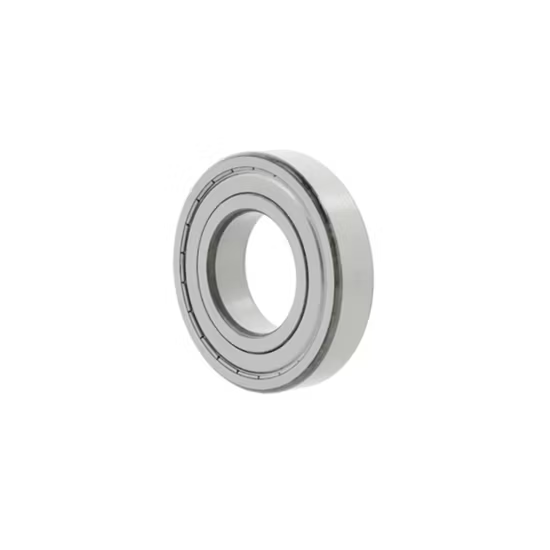
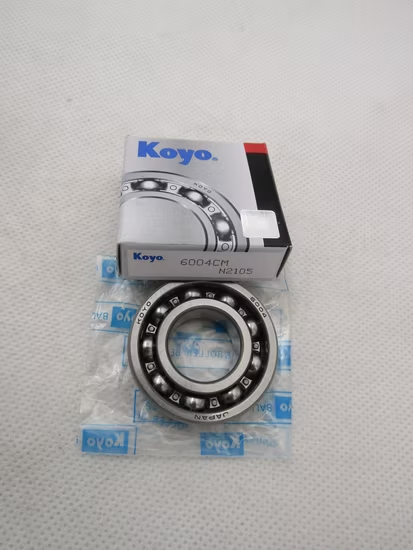

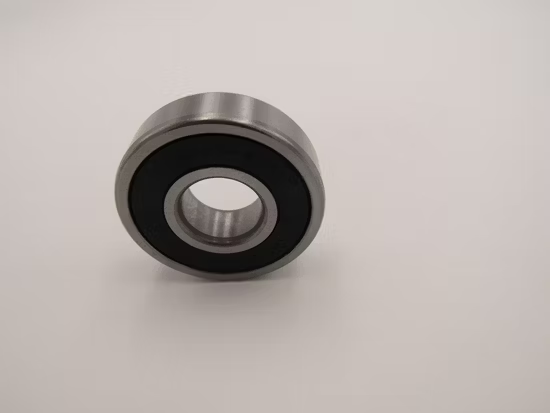
Miniature Deep Groove Ball Bearing in GCr15 Chrome Steel — engineered for electric motors, pumps, and general machinery requiring high durability in compact spaces.
Unified Multi-Brand Sourcing — Consolidate mixed-brand miniature deep groove ball bearing requirements into a single authorized order with full batch traceability.
| Parameter | Value |
|---|---|
| Product Type | Miniature Deep Groove Ball Bearings |
| Structure | Deep Groove |
| Seal or Shield Type | Open, ZZ, 2RS |
| Material Options | GCr15 Chrome Steel, Stainless Steel, Ceramic Variants |
| Origin | Shanghai |
| Industry | Typical Applications |
|---|---|
| Electric Motors | High-speed rotor shafts and cooling fan assemblies |
| General Machinery | Precision linear guides and small conveyor rollers |
| Pumps & Gearboxes | Micro-pump impeller shafts and reduction gear pinions |
| Household Appliances | Washing machine drum supports and HVAC blower motors |
Material purity and precise heat treatment dictate the actual service life of miniature components, not just dimensional tolerances.
In the Pearl River Delta manufacturing hubs, I have seen countless supposedly premium micro bearings fail catastrophically. Procurement teams often chase lower prices, only to face deafening motor noise and deformed cages after brief high-speed operation . The root cause is usually a soft inner ring that passes casual visual inspection but yields under operational stress.
Selecting the right miniature deep groove ball bearing supplier involves evaluating material options against specific environmental exposures. GCr15 chrome steel provides excellent load capacity for standard manufacturing environments, while stainless steel variants offer necessary corrosion resistance for washdown areas. Ceramic rolling elements are available for applications requiring electrical insulation or operation beyond the thermal limits of standard steel.
Miniature applications demand careful attention to speed limits and micro-vibrations. Non-contact ZZ shields minimize friction for high-speed electric motors, whereas 2RS contact seals provide superior contamination protection for dusty conveyor environments . Proper clearance selection prevents thermal binding when inner rings expand faster than housings during continuous operation.
Understanding the difference between open, ZZ, and 2RS configurations is critical for lifecycle management. Open bearings allow for custom lubrication and maximum speed but require clean housings. ZZ shields offer a balanced compromise for general machinery, keeping large debris out without the friction penalty of rubber seals. Clearance classes must align with operational temperatures; standard clearance may bind in heated gearbox applications where C3 clearance is required.
Installing a standard clearance bearing in a high-temperature electric motor inevitably leads to thermal binding and premature cage failure. Such misalignments cause unplanned downtime and catastrophic damage to adjacent precision components. Relying on ISO 281 frameworks for life calculations is meaningless if the underlying material hardness falls below specification .
We verify cross-brand interchangeability by matching internal geometry and cage materials, not just base designations. Our technical team reviews application parameters to prevent the common error of specifying standard clearance where thermal expansion demands C3. Every batch is backed by manufacturer traceability, ensuring you receive genuine chrome steel with verified hardness rather than soft counterfeit rings.
Provide your equipment model, installation space constraints, and specific load profiles so our engineering team can determine the exact designation. Detailing the operating environment, including temperature fluctuations and contamination risks, allows us to recommend the optimal seal type and material variant for your machinery.
Q: How do I determine the exact designation for my equipment?
A: Share your equipment parameters, including radial and axial loads, operational speeds, and temperature ranges. Our engineering team will calculate the required dynamic load rating and recommend the precise designation, ensuring the internal geometry and clearance class perfectly match your specific application demands.
Q: What causes premature failure in high-speed miniature applications?
A: High-speed failures often stem from soft inner rings in counterfeit products or incorrect clearance selection causing thermal binding. Deformed cages and excessive noise are typical symptoms. Sourcing verified GCr15 chrome steel with proper heat treatment and matching the seal type to the speed limit prevents these catastrophic issues.
Q: How do I choose between Open, ZZ, and 2RS seals?
A: Open bearings suit clean, custom-lubricated environments needing maximum speed. ZZ steel shields offer low-friction protection against large debris for general machinery. 2RS rubber contact seals provide the highest contamination resistance for dusty or moist conditions but introduce higher friction, making them less ideal for extreme high-speed electric motor shafts.
Q: How can I verify the authenticity of the received batch?
A: Every batch includes a Certificate of Conformity and batch traceability documentation. You can scan the QR codes on the packaging using official brand applications for immediate verification. We also provide material test reports and dimensional inspection reports to confirm the chrome steel composition and micro-tolerances before bulk installation.
Our 5-step process ensures every order is engineered, validated, and supported for optimal performance.
Technical needs assessment
Custom specifications
Free samples for $50k+
Pre-shipment inspection
On-site & predictive
Our certified engineers respond within 24 hours with detailed technical specifications, pricing, and lead time information.