01
Consultation
Technical needs assessment


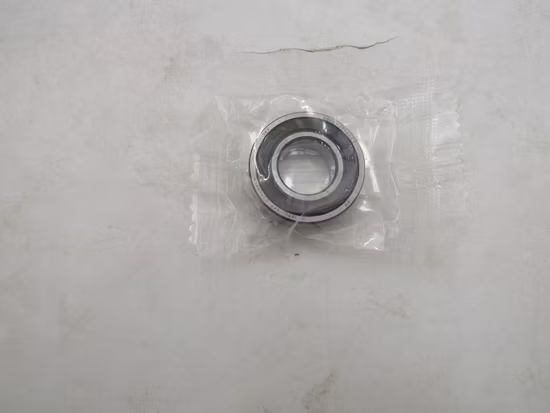
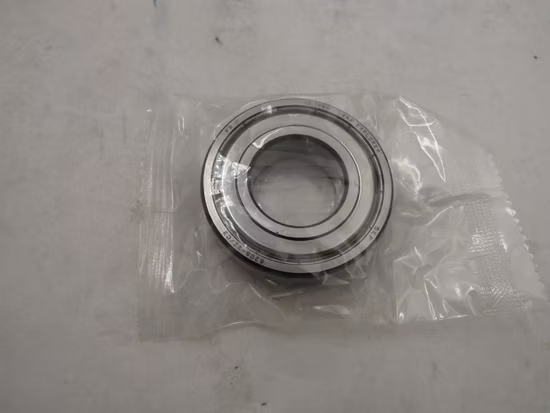
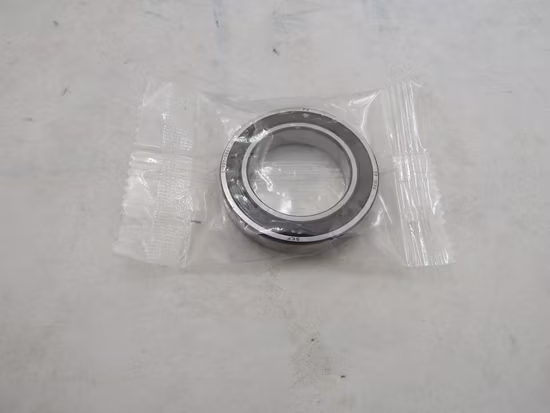
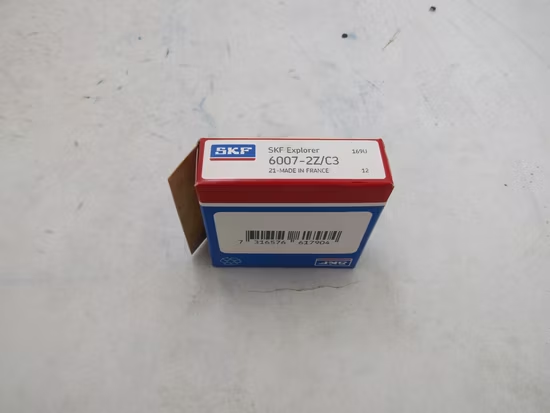
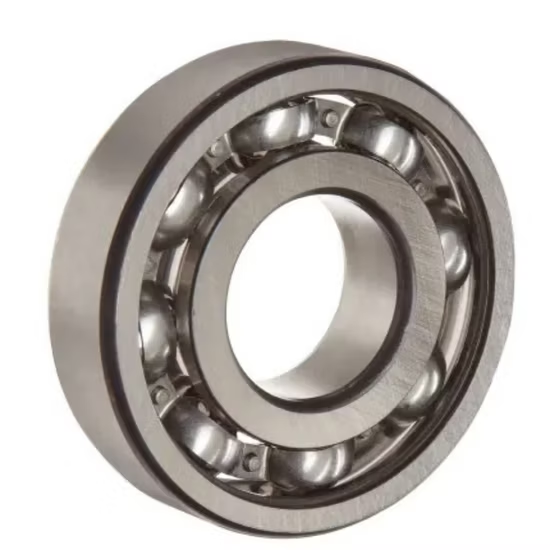
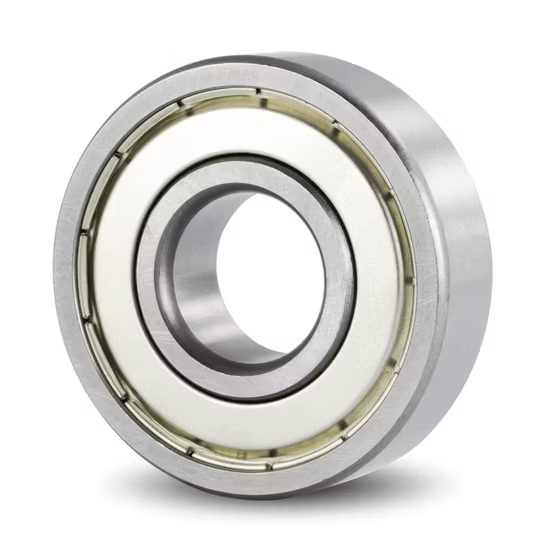
Mh-P03K Bicycle Headset Bearing 30.15×41×6.5 mm — featuring 36°/45° contact angles for optimized headset cup and cone load distribution.
Cross-Reference Alignment Verified — Every Mh-P03K interchange check confirms the exact 36°/45° contact angle, seal configuration, and dimensional tolerances rather than just matching the base designation.
| Parameter | Value |
|---|---|
| Designation | Mh-P03K |
| Product Type | Bicycle Headset Bearing |
| Bore Diameter (d) | 30.15 mm |
| Outside Diameter (D) | 41 mm |
| Width (B) | 6.5 mm |
| Contact Angle | 36°/45° |
| Material | GCr15 bearing steel |
| Seal or Shield Type | ZZ / 2RS / Open |
| Certification | CE, RoHS, Reach |
| Origin | Shanghai |
| Industry | Typical Applications |
|---|---|
| Bicycle Manufacturing & Repair | Threadless and threaded headset cup and cone interfaces |
| Light Vehicle Assembly | Steering column upper and lower support mechanisms |
| Material Handling | Steering pivot assemblies on manual pallet jacks and trolleys |
Sourcing an Mh-P03K bicycle headset deep groove ball bearing based purely on outer and inner diameter measurements frequently leads to premature steering failure. When procurement teams overlook the specific 36°/45° contact angle requirement, the headset cup and cone interface cannot distribute axial steering loads correctly. This geometric mismatch forces the rolling elements to skid rather than roll, rapidly degrading the raceways.
In the Pearl River Delta trading circuit, I have reviewed countless warranty claims where headsets developed severe notchiness and water ingress within weeks of assembly. The root cause is often a visually identical replacement that lacked the correct contact angle or featured inadequate sealing for the operating environment . Relying on basic dimensions without verifying the internal geometry and seal type guarantees unplanned downtime and frustrated end-users.
The Mh-P03K bicycle headset deep groove ball bearing is engineered specifically to handle the combined radial and axial loads inherent in steering assemblies. By utilizing a dual 36°/45° contact angle design, this component ensures smooth articulation and precise load transfer between the fork and the frame. Our technical review process verifies that cross-referenced alternatives maintain this exact angular geometry, preventing the binding and stiffness that plague incorrectly specified headsets.
Steering mechanisms operate in highly contaminated environments, constantly exposed to road spray, mud, and fine particulate matter. Selecting the appropriate seal type is critical to maintaining lubrication and preventing raceway scoring. While open designs minimize friction for controlled indoor environments, outdoor applications demand the robust contamination exclusion provided by 2RS contact rubber seals or ZZ steel shields . Temperature fluctuations also affect grease viscosity, making the initial factory fill and seal integrity vital for long-term performance.
The defining characteristic of the Mh-P03K is its 36°/45° contact angle, a specific geometry required to mate perfectly with standard headset cup and cone profiles. Unlike standard deep groove variants that primarily handle radial loads, this angular configuration supports the heavy axial thrust generated during braking and cornering. The GCr15 bearing steel construction provides the necessary core hardness to resist brinelling under these static and dynamic steering loads. Furthermore, the availability of ZZ and 2RS sealing options allows engineers to balance frictional torque against environmental protection, ensuring the bearing survives its intended service life without thermal binding or moisture-induced corrosion.
Installing a headset bearing with an incorrect contact angle or inadequate internal clearance leads to catastrophic damage to the surrounding steering components. The resulting localized stress concentrations cause premature spalling and cage failure, often destroying the headset cups and the fork steerer tube in the process. According to ISO 281 framework principles, operating a bearing outside its designed geometric parameters drastically reduces its calculated L10 life . This cascading failure transforms a minor spare parts replacement into a major structural repair, voiding equipment warranties and damaging brand reputation.
We eliminate the risk of receiving counterfeit headset bearings with soft inner rings by enforcing strict batch traceability and official app QR verification for every shipment. Our cross-reference protocol specifically checks the 36°/45° angle and seal suffixes, ensuring that an Mh-P03, Th-873, or ACB336 alternative is a true functional equivalent rather than just a dimensional match. We provide comprehensive dimensional and running accuracy inspection reports that confirm the contact angle tolerances before the parts leave our facility. This technical scrutiny prevents the field failures caused by subtle internal design differences that casual visual inspections always miss.
To ensure optimal steering performance and longevity, please provide your specific axial and radial load calculations, expected operating speeds, and environmental exposure details. Supplying the original equipment manufacturer part numbers or detailed assembly drawings allows our engineering team to perform a precise cross-reference check. We will verify that the selected seal type and contact angle perfectly align with your structural requirements, delivering a technically validated solution rather than a simple parts swap.
Q: How does the 36°/45° contact angle affect headset cross-referencing?
A: The 36°/45° angle dictates how the bearing mates with the headset cup and cone. If a cross-reference only matches the 30.15x41x6.5mm dimensions but features a standard radial geometry, the steering will feel notchy and bind under load. We verify this angular geometry to ensure true functional interchangeability.
Q: Which seal type is best for off-road bicycle headsets?
A: For off-road or wet environments, the 2RS double contact rubber seal provides superior protection against mud and water ingress compared to ZZ steel shields. While 2RS seals introduce marginally higher frictional torque, the prevention of contamination and grease washout significantly extends the bearing service life in harsh conditions.
Q: How can I verify the authenticity of the GCr15 headset bearings?
A: Every shipment includes batch traceability documentation and QR codes that can be scanned using official manufacturer applications. This digital verification confirms the material origin, production date, and authenticity, protecting your assembly from the premature failures caused by counterfeit bearings with substandard steel hardness.
Q: What does CE, RoHS, and Reach compliance mean for importing these components?
A: These certifications ensure the Mh-P03K bearings meet strict international environmental and safety regulations. RoHS and Reach compliance guarantees the absence of hazardous substances in the steel and grease, while CE marking facilitates smooth customs clearance and legal market entry across European and global jurisdictions.
Our 5-step process ensures every order is engineered, validated, and supported for optimal performance.
Technical needs assessment
Custom specifications
Free samples for $50k+
Pre-shipment inspection
On-site & predictive
Our certified engineers respond within 24 hours with detailed technical specifications, pricing, and lead time information.