01
Consultation
Technical needs assessment

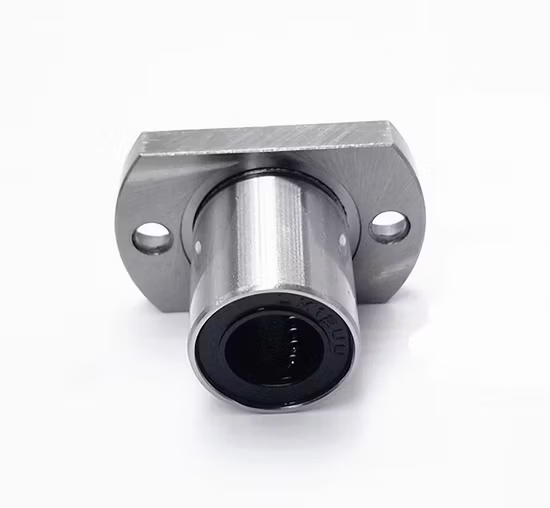

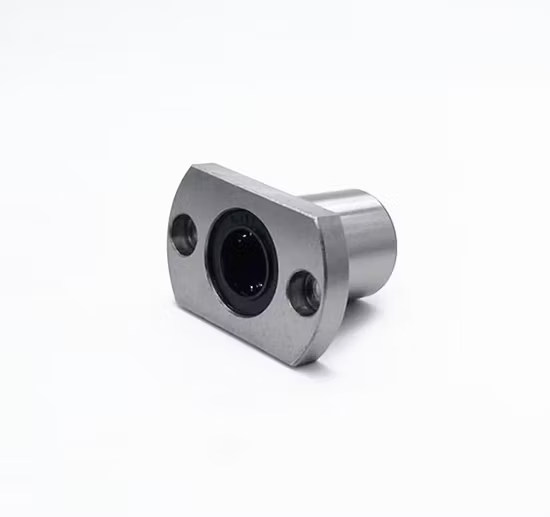
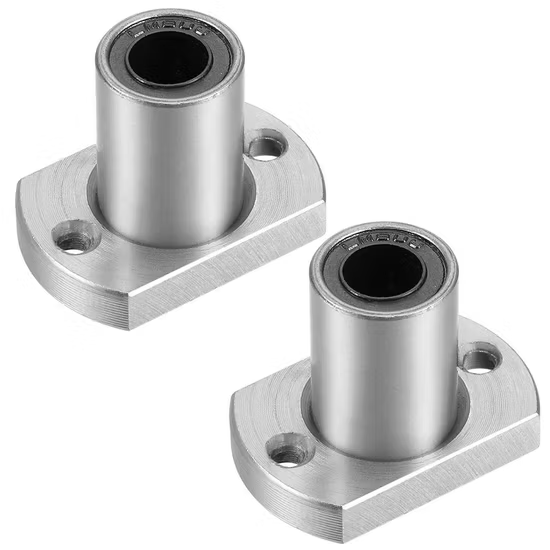


Lmh35uu Lmh40uu Lmh50uu Linear Bearing — Constructed with bearing steel and an open circular flange shape, these units utilize nylon cages to ensure high-speed, low-noise linear motion for precision machinery.
Cross-Reference Alignment Verified — We match flange shape, open structure, and nylon cage material, not just the base LM series number.
| Parameter | Value |
|---|---|
| Designation | Lmh35uu Lmh40uu Lmh50uu |
| Product Type | Linear Bearing |
| Flange Shape | Circular |
| Shape | Open |
| Series | LM |
| Material | Bearing Steel |
| Cage Material | Nylon |
| Precision Rating | P0, P6, P5, P4, P2 |
| Feature | High Speed, Low Voice |
| Origin | Germany, Japan, Sweden, Malaysia, China |
Note: The 'h' and 'uu' suffixes are unverified and require manufacturer catalog confirmation.
| Industry | Typical Applications |
|---|---|
| Machine Tool Manufacturing | High-speed spindle guidance and precision slide ways |
| Robotics & Automation | Multi-axis linear actuators and robotic arm joints |
| Precision Equipment | Optical inspection stages and semiconductor handling |
Visual inspection rarely catches soft inner rings or cloned QR codes on counterfeit components.
When procurement teams source replacement parts based solely on the base designation, they often receive components with compromised metallurgy. I have seen automated assembly lines grind to a halt because a supplier substituted stamped steel for brass or high-grade nylon in the cage, leading to immediate disintegration under high-speed reciprocation. The resulting metal debris contaminates the entire lubrication system, causing catastrophic damage to the spindle guidance mechanism . Sourcing a genuine Lmh35uu Lmh40uu Lmh50uu linear bearing requires looking past the outer shell and verifying the internal design, cage material, and dimensional tolerances against the original equipment manufacturer's exact specifications.
Selecting the correct guidance component for high-speed automation requires balancing rigidity with friction management. The circular flange and open shape of this series allow for precise clearance adjustments during assembly, which is critical for eliminating play in machine tool slides. By supplying fully traceable units, we ensure that the dynamic load capacity and running accuracy meet the stringent demands of continuous robotic operation without unexpected thermal binding.
Linear motion systems in precision equipment face relentless reciprocating loads that generate significant friction heat at the contact points. If the internal clearance is not correctly matched to the operating temperature, thermal expansion will eliminate the running gap, leading to severe binding and premature cage failure. Proper lubrication is equally critical; while the open design allows for continuous external oil or grease supply to flush out microscopic debris, it also exposes the rolling elements to environmental contamination . Managing these variables ensures the guidance system maintains its positional accuracy over extended operational cycles.
The performance of these guidance components hinges on the interaction between the high-carbon bearing steel shaft and the nylon cage. The polymer cage significantly reduces sliding friction and operational noise compared to metallic alternatives, making it ideal for high-speed applications where vibration must be minimized. Furthermore, the availability of multiple precision classes—from standard P0 up to ultra-precise P2—allows engineers to specify the exact dimensional tolerance required for their specific slide way. The open shape design facilitates the use of adjustable housings, enabling technicians to manually tune the preload and eliminate residual clearance after mounting.
Overlooking minor designation differences or accepting inferior cage materials inevitably leads to unplanned downtime and voided equipment warranties. A mismatched internal design might fit the housing perfectly but will fail to support the required moment loads, causing the carriage to tilt and score the shaft. According to failure analysis frameworks, a significant share of premature linear motion failures stems from incorrect internal clearance selection or the use of cages that cannot withstand the specific acceleration forces of the application . These failures rarely occur during initial testing; they manifest weeks later, destroying the precision of the entire machine.
We prevent cross-reference errors by verifying the flange geometry, open structure, and nylon cage composition, rather than just matching the base LM series number. Our inventory provides authorized coverage across major international brands, allowing you to consolidate mixed-brand requirements into a single, fully documented shipment. Every unit we supply includes batch traceability to the manufacturer, ensuring you receive the exact precision grade and internal design your equipment requires. We also conduct application-based selection reviews, checking your load, speed, and temperature parameters to confirm the chosen specification will survive the actual operating environment.
To ensure the selected guidance components perfectly match your automated assembly line or machine tool, please provide the detailed radial and axial load profiles, maximum traverse speeds, and operating temperature ranges. Sharing the original equipment manufacturer's part numbers or equipment serial numbers allows our engineering team to perform a comprehensive cross-reference check. This technical review guarantees that the flange shape, internal clearance, and cage material align precisely with your operational requirements before we issue a formal quotation.
Q: How do I verify the authenticity and batch origin of these linear components?
A: We provide full batch traceability for every unit, allowing you to scan the QR code using the manufacturer's official application. This digital verification confirms the origin of the bearing steel and the specific production lot, protecting your precision equipment from the soft inner rings and cloned labels commonly found in counterfeit market supplies.
Q: What internal design differences are most frequently overlooked during cross-referencing?
A: Procurement teams often match the base LM series number but ignore the flange shape, open or closed structure, and cage material. Substituting a metallic cage for the specified nylon variant, or ignoring the circular flange geometry, will alter the friction characteristics and mounting alignment, leading to thermal binding and premature failure in high-speed reciprocating applications.
Q: How do open and closed designs differ in machine tool spindle applications?
A: The open shape allows for continuous external lubrication and precise clearance adjustment via the housing, which is critical for maintaining rigidity in heavy-duty machine tool slides. Closed variants retain factory grease but limit heat dissipation and prevent manual preload tuning, making the open design generally superior for high-speed, high-accuracy spindle guidance systems requiring active cooling.
Q: What are the performance differences between nylon and stamped steel cages in high-speed systems?
A: Nylon cages offer a significantly lower coefficient of friction and better dampening characteristics, resulting in noticeably lower operational noise and reduced heat generation at high traverse speeds. Stamped steel cages might handle slightly higher static loads but generate more friction and are highly susceptible to catastrophic disintegration if lubrication starves during rapid reciprocating cycles.
Q: How do you determine the correct replacement when the original designation is obsolete?
A: When original part numbers are discontinued, we analyze your specific operating parameters, including load magnitude, speed, and environmental exposure. By evaluating the required precision class and dimensional envelope, our engineering team identifies authorized cross-brand alternatives that perfectly replicate the internal geometry and dynamic load capacity of the obsolete component.
Our 5-step process ensures every order is engineered, validated, and supported for optimal performance.
Technical needs assessment
Custom specifications
Free samples for $50k+
Pre-shipment inspection
On-site & predictive
Our certified engineers respond within 24 hours with detailed technical specifications, pricing, and lead time information.


