01
Consultation
Technical needs assessment

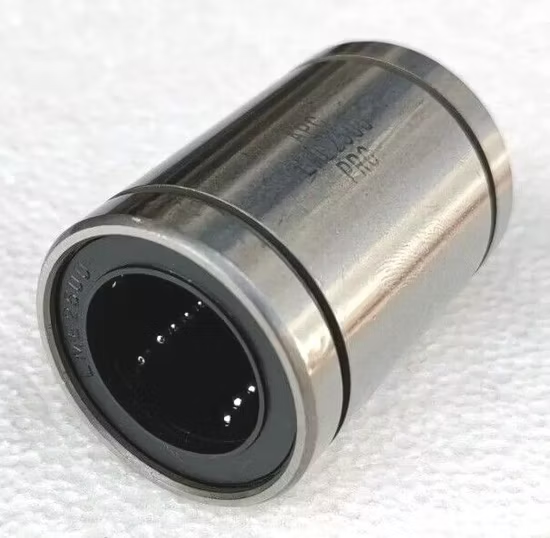
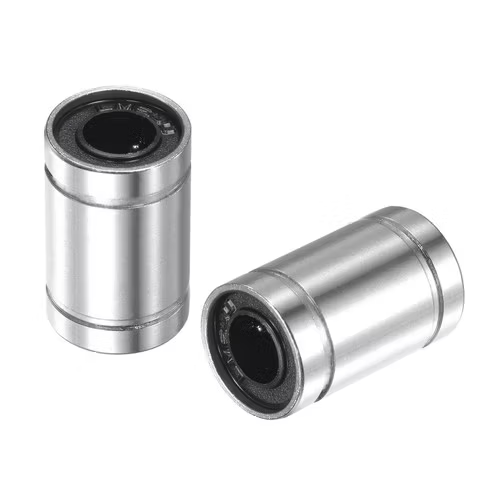
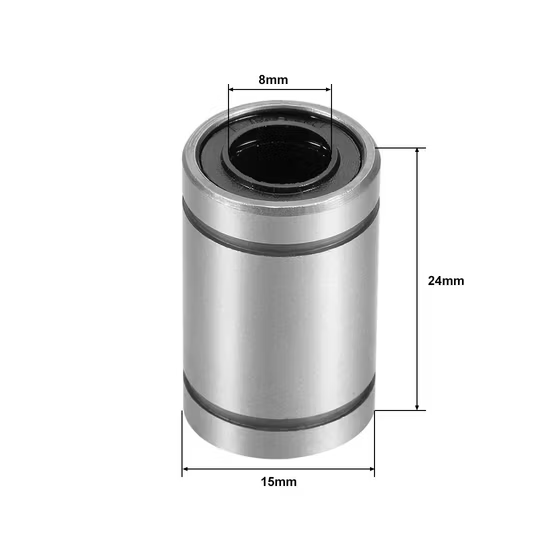


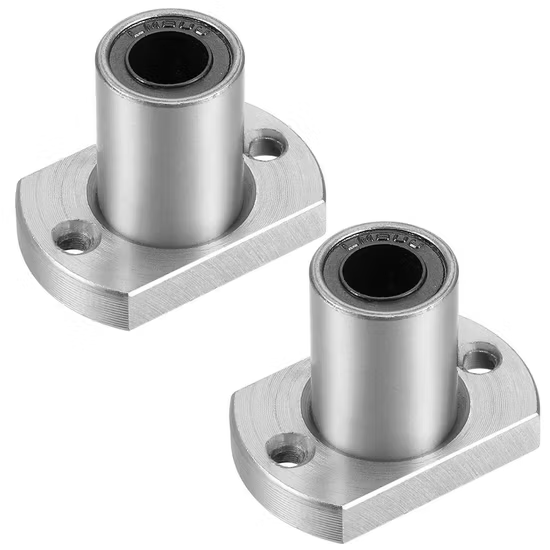
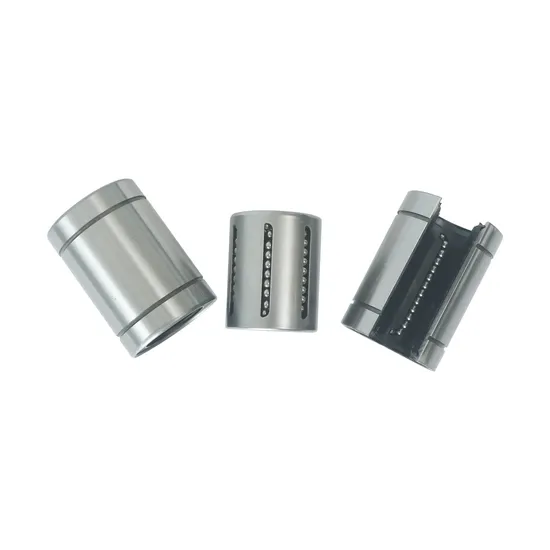
Lme20uu Linear Bearing — engineered for automation machinery with bearing steel construction and nylon cage for reduced friction and quiet high-speed linear motion. Open-type circular design supports external sealing in precision equipment and robotics applications. Available across precision classes P0 through P2 to match machine tool spindle and material handling tolerances.
Cross-reference alignment verified — We match the exact flange shape, open profile, and precision suffix to prevent thermal binding in linear motion assemblies.
| Parameter | Value |
|---|---|
| Designation | Lme20uu |
| Bearing Type | Linear Bearing |
| Series | LM |
| Flange Shape | Circular |
| Shape | Open |
| Material | Bearing Steel |
| Cage Material | Nylon |
| Precision Class | P0, P6, P5, P4, P2 |
| Feature | High Speed, Low Voice |
| Type | Universal |
| Origin | Germany, Japan, Sweden, Malaysia, China |
Note: The prefixes and suffixes in this specific designation remain unverified against standard manufacturer catalogs and require direct technical confirmation prior to bulk procurement.
| Industry | Typical Applications |
|---|---|
| Automation Machinery | Cartesian robot linear axes and pick-and-place gantries |
| Machine Tools | Precision spindle positioning slides and tool changers |
| Material Handling | Automated guided vehicle lift mechanisms and transfer units |
Mismatched housing hardness and ignored tolerance stacks destroy linear guides long before the bearing steel reaches its fatigue limit.
In the Pearl River Delta manufacturing hubs, I have seen countless automation lines brought to a halt by a simple oversight: pressing linear bearings into unhardened aluminum housings without checking the interference fit. When the housing yields under dynamic loads, the rolling elements carve permanent brinell marks into the soft aluminum, causing severe motion stuttering and catastrophic guide failure . Sourcing a genuine Lme20uu linear bearing is only half the battle; if the cross-reference ignores the open shape clearance requirements or the specific precision class needed for high-speed traverse, the resulting thermal binding will quickly scrap the entire assembly.
Selecting the right linear guide requires looking far beyond the basic outer diameter. Our engineering team reviews your specific load vectors, traverse speeds, and housing materials to ensure the selected components will maintain smooth travel. We verify that the open shape design aligns perfectly with your adjustable pillow blocks or machined housings, preventing the misalignment that typically causes premature cage wear in high-cycle automation equipment.
High-speed automation generates significant friction heat, which directly impacts the internal clearance of the bearing. If the housing material expands at a different rate than the bearing steel, an initially perfect fit can quickly turn into a binding nightmare. Furthermore, machine tool environments are flooded with metallic swarf and coolant mist. An open shape design relies entirely on the external housing seals to keep contaminants out; if those external wipers fail, abrasive particles will infiltrate the recirculation paths and score the shaft .
The nylon cage material is specifically chosen to reduce moving mass and dampen vibration, which is critical for maintaining low-noise operation at high traverse speeds. Available precision classes ranging from P0 up to P2 dictate the dimensional tolerances of the outer cylinder, directly influencing the running accuracy of precision equipment. The open shape design allows the bearing to be clamped into an adjustable housing, enabling the operator to fine-tune the radial clearance and eliminate play on the shaft. Meanwhile, the bearing steel construction provides the necessary structural rigidity to withstand heavy radial loads without permanent deformation of the load-bearing plates.
Installing a standard precision linear bearing into a high-speed spindle slide designed for ultra-precision tolerances guarantees excessive vibration and poor surface finish on machined parts. Conversely, forcing an oversized bearing into a tight housing without accounting for thermal expansion leads to unplanned downtime and severe shaft scoring. These installation and selection errors routinely void manufacturer warranties and result in catastrophic damage to the surrounding automation machinery .
We provide authorized coverage across all major international brands, meaning you can consolidate your linear guides, rotary bearings, and pillow blocks into a single, fully traceable shipment. Our cross-reference process strictly verifies the open shape, circular flange, and precision suffixes, ensuring you never receive a mismatched clone that looks correct on paper but fails in the housing. Every batch includes full traceability to the manufacturer, protecting your equipment from counterfeit components with soft inner rings that collapse under dynamic loads. We also conduct application-based selection reviews to confirm that your housing material and operating temperatures align with the specified clearance class.
To ensure optimal performance and prevent housing yield issues, please provide your specific radial and axial load profiles, traverse speeds, and housing material specifications. Sharing your OEM equipment numbers allows our technical team to perform a comprehensive cross-reference check, verifying the exact open shape and precision requirements. This detailed review ensures the proposed linear motion components will integrate flawlessly into your automation machinery without thermal binding or premature cage failure.
Q: How do we verify the authenticity of linear bearings to avoid soft inner ring counterfeits?
A: We supply full batch and lot traceability for every shipment, allowing you to scan the packaging via the manufacturer's official app. This QR verification confirms the exact production origin and material specifications, instantly exposing cloned components that feature soft, unhardened inner rings prone to rapid brinelling under dynamic automation loads.
Q: What cross-reference checks are critical when substituting linear bearings in existing assemblies?
A: A reliable cross-reference must align the base designation, the open shape profile, and the specific precision class. Matching only the outer diameter while ignoring the cage material or clearance requirements often leads to thermal binding or catastrophic cage failure when the substituted component is clamped into the original adjustable housing.
Q: How should we select the correct precision class for high-speed automation equipment?
A: Higher precision classes tighten the dimensional tolerances of the outer cylinder, which is essential for minimizing vibration in machine tool spindles and robotic axes. However, specifying ultra-high precision for heavy-duty material handling applications is unnecessary; our engineering team reviews your specific running accuracy requirements to recommend the most cost-effective precision grade.
Q: What causes premature failure in linear bearings operating within unhardened aluminum housings?
A: When pressed into soft, unhardened aluminum without proper interference fit calculations, the outer cylinder can deform under dynamic loads. This distortion forces the rolling elements to carve permanent tracks into the housing, causing severe motion stuttering and ultimately destroying the linear guide long before the bearing steel itself reaches its fatigue limit.
Q: How do we manage lubrication and contamination for open shape linear bearings?
A: Open shape designs lack integrated seals, meaning they rely entirely on the external housing wipers to block metallic swarf and coolant mist. Proper maintenance requires regular lubrication through the housing's external grease fittings to flush out microscopic contaminants and maintain a protective film between the nylon cage and the shaft.
Our 5-step process ensures every order is engineered, validated, and supported for optimal performance.
Technical needs assessment
Custom specifications
Free samples for $50k+
Pre-shipment inspection
On-site & predictive
Our certified engineers respond within 24 hours with detailed technical specifications, pricing, and lead time information.