01
Consultation
Technical needs assessment



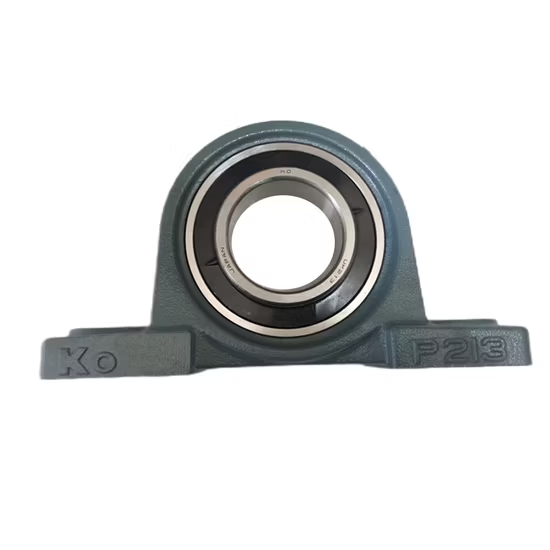
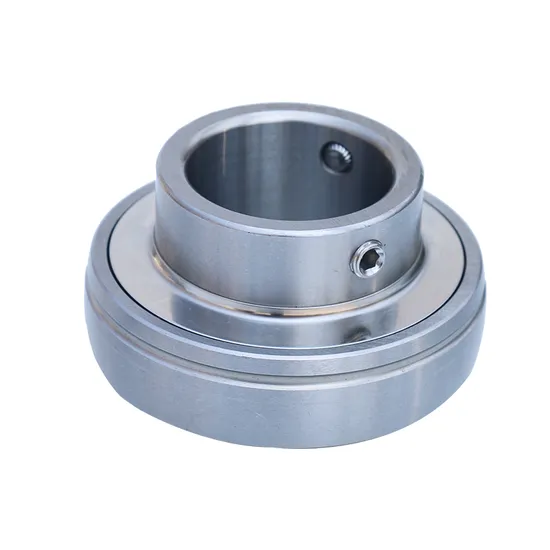
UC211 UC212 UC213 UC214 UC215 UC216 UC217 UC218 Insert Ball Bearings feature a wide inner ring with set screw locking for secure shaft fixation and a spherical outer ring for self-alignment in medium-duty applications.
Cross-Reference Tri-Check — matching base designation, internal clearance, and seal configuration prevents thermal binding in agricultural drives.
| Parameter | Value |
|---|---|
| Designation | UC211 UC212 UC213 UC214 UC215 UC216 UC217 UC218 |
| Bearing Type | Insert Ball Bearing |
| Bore Diameter (d) | 55 mm to 90 mm |
| Rows Number | Single |
| Raceway | Deep Groove |
| Locking Mechanism | Set Screw |
| Outer Ring Profile | Spherical |
| Duty Series | Medium |
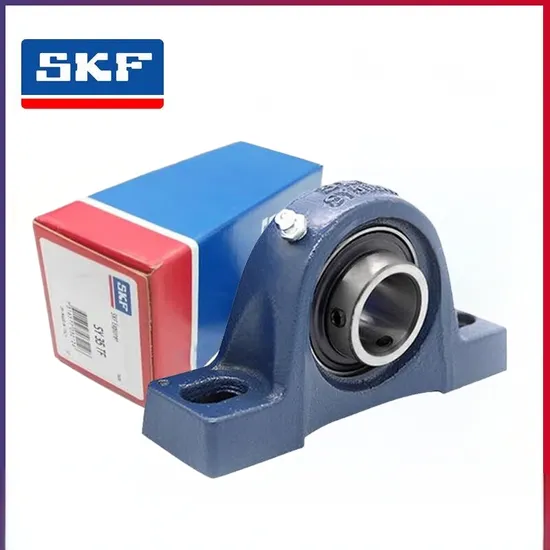
| Housing Compatibility | Cast Iron (P-type block) |
| Industry | Typical Applications |
|---|---|
| Agriculture | Combine harvester threshing cylinders, tractor PTO shaft supports |
| Material Handling | Belt conveyor idler pulleys, bucket elevator tail shafts |
| Textile | Yarn winding machine tension rollers, loom drive shafts |
A correct UC211 UC212 UC213 UC214 UC215 UC216 UC217 UC218 insert ball bearing requires matching internal geometry to the operating envelope, not just the outer dimensions.
I have seen too many conveyor shafts lock up mid-shift because a standard clearance unit was forced into a high-temperature drying zone. The base designation might fit the housing bore perfectly, but ignoring the thermal expansion requirements leads to rapid cage failure. Sourcing teams often focus strictly on the numerical prefix while overlooking the seal friction and grease compatibility needed for dusty environments .
Selecting the right UC211 UC212 UC213 UC214 UC215 UC216 UC217 UC218 insert ball bearing means verifying how the wide inner ring and set screw locking mechanism handle axial shifts under heavy vibration. Our technical review ensures the cross-reference aligns with your specific shaft tolerances and load directions. We prevent the common error of installing a unit with inadequate sealing in high-particulate zones, ensuring the spherical outer ring maintains proper self-alignment without binding.
Agricultural and material handling environments subject shafts to severe radial loads and constant misalignment. When ambient temperatures rise, standard internal clearance quickly disappears, causing the rolling elements to skid rather than roll. Effective sealing must balance contamination exclusion with friction heat generation; overly aggressive contact seals can overheat the grease, while non-contact shields let fine crop dust infiltrate the raceway. Proper re-lubrication intervals are critical to flush out debris before it compromises the deep groove raceway .
The "2" in the series designation indicates a medium duty cross-section, optimized for the 55 mm to 90 mm bore range. This geometry provides a balance between radial load capacity and the physical space constraints of standard P-type cast iron housings. The set screw locking mechanism secures the wide inner ring directly to the shaft, offering reliable axial positioning without the complex machining required for adapter sleeves. The spherical outer ring mates with the concave housing bore, automatically compensating for initial installation misalignment and dynamic shaft deflection during operation.
Installing an insert unit based solely on bore and outside diameter often results in catastrophic damage to the housing and adjacent drive components. When the internal clearance is incorrect for the operating temperature, the bearing generates excessive friction heat, leading to unplanned downtime and voided equipment warranties. Misaligned outer rings caused by improper housing matching accelerate wear on the shaft and seals, turning a minor maintenance task into a major assembly replacement .
Mixed-brand orders often result in mismatched grease types or conflicting seal designs across a single conveyor line. We consolidate SK, FAG, and NSK equivalents while strictly verifying that the internal clearance and seal suffixes match your exact environmental requirements. Every batch is checked to ensure the set screw torque specifications and outer ring sphericity align with OEM standards, eliminating the guesswork that causes premature field failures.
To ensure the selected units survive your specific operating envelope, please share the radial and axial loads, operating temperatures, and shaft speed parameters. If you are replacing existing components, providing the OEM equipment number or the exact suffix combination currently in use allows our engineering team to perform a precise cross-reference and L10 life verification.
Q: How do set screw and eccentric collar locking differ in high-vibration agricultural applications?
A: Set screw locking relies on direct radial pressure against the shaft, which is highly effective for standard loads but can cause shaft fretting under extreme vibration. Eccentric collars tighten proportionally to the rotational force, offering a self-locking grip that is often preferred for heavy-duty harvesting equipment where shock loads and constant vibration are prevalent.
Q: Why is internal clearance critical when cross-referencing UC series bearings for conveyor systems?
A: Conveyor shafts often operate in environments with significant temperature gradients. If a standard clearance bearing is installed where thermal expansion demands a larger internal gap, the rolling elements will bind as the inner ring expands. We strictly verify the clearance suffix during cross-referencing to prevent thermal lock-up and premature cage failure.
Q: How should the seal type be selected for material handling equipment exposed to fine dust?
A: In dusty environments, triple-lip contact seals provide superior exclusion of fine particulates compared to standard single-lip designs or metal shields. However, contact seals generate more friction heat. The selection must balance the severity of the contamination against the operating speed to ensure the grease does not degrade from excessive thermal buildup.
Q: What cross-reference parameters must be checked beyond the basic bore and outside diameter?
A: A reliable cross-reference must align the internal clearance class, the specific seal or shield configuration, and the type of factory-applied grease. Matching only the base dimensions while ignoring these internal variables often leads to lubrication incompatibility or inadequate contamination protection, drastically shortening the service life in demanding industrial applications.
Our 5-step process ensures every order is engineered, validated, and supported for optimal performance.
Technical needs assessment
Custom specifications
Free samples for $50k+
Pre-shipment inspection
On-site & predictive
Our certified engineers respond within 24 hours with detailed technical specifications, pricing, and lead time information.