01
Consultation
Technical needs assessment

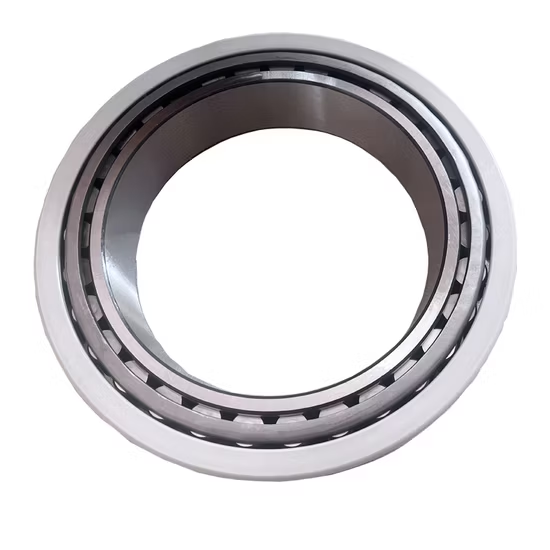

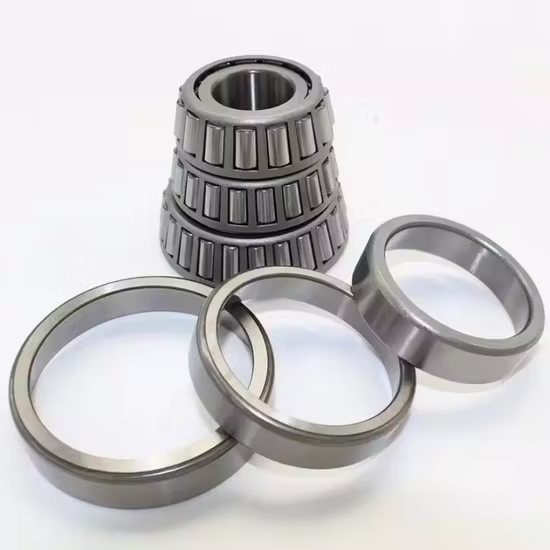
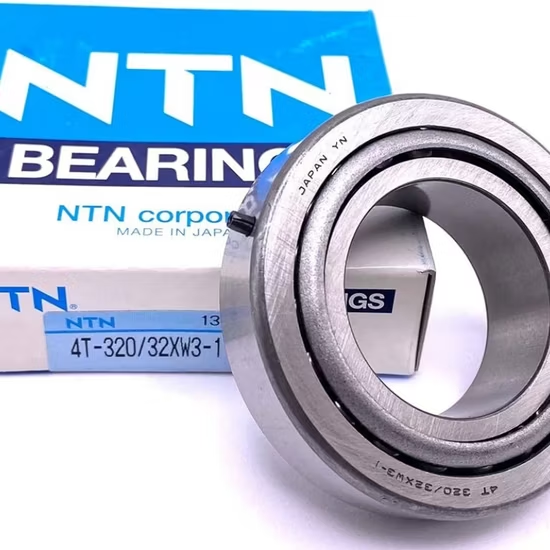
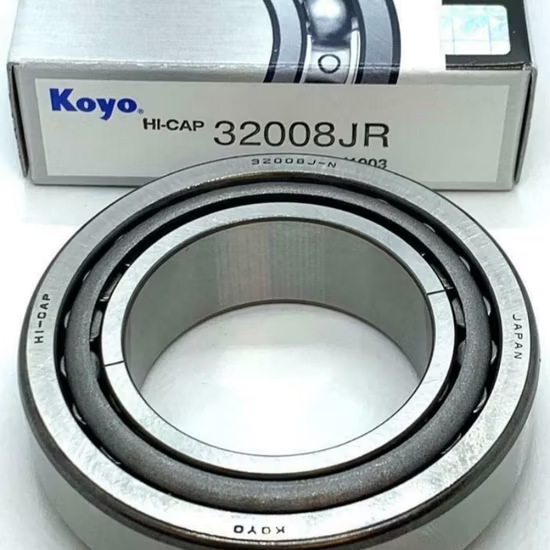

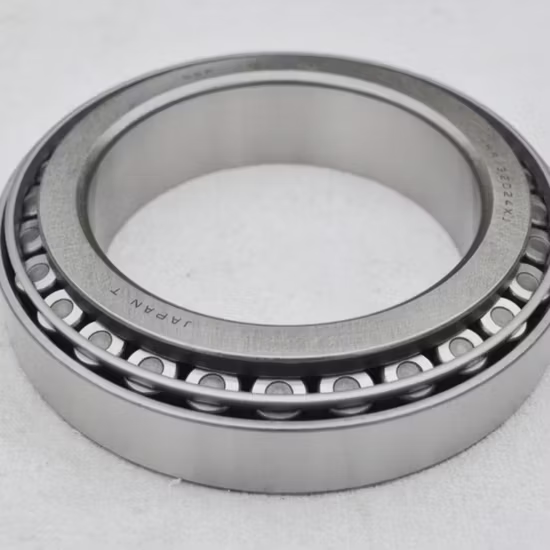
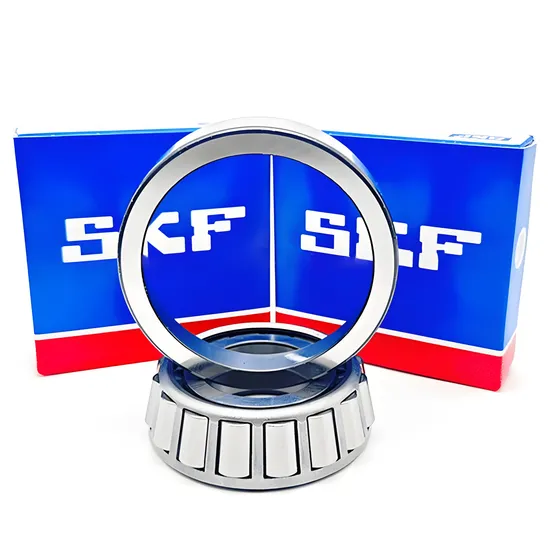
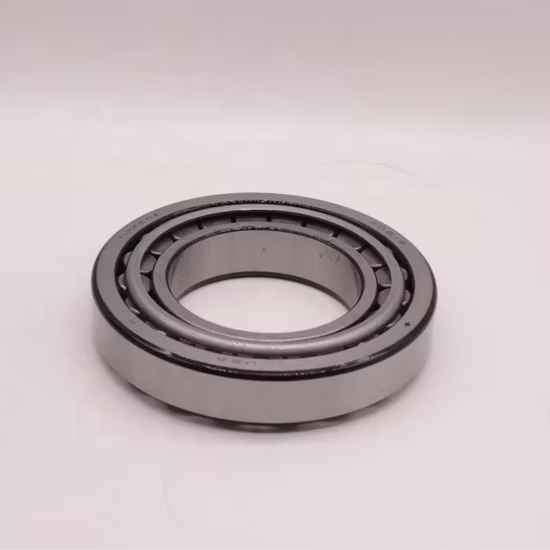
30201 30202 Tapered Roller Bearing P4 — single-row units manufactured from GCr15 bearing steel to effectively manage combined radial and axial loads in automotive and industrial drivetrains.
Cross-reference alignment verified — Base numbers like 30201 and 30202 are matched against internal clearance, cage design, and precision class to prevent field binding.
| Parameter | Value |
|---|---|
| Designation | 30201 30202 |
| Bearing Type | Tapered Roller Bearing |
| Number of Rows | Single Row |
| Precision Rating | P4 |
| Material | GCr15 Bearing Steel |
| Cage Options | Nylon, Brass, or Iron |
| Structure | Taper |
| Feature | Low Noise, High Speed, Long Service Life |
| Origin | Shanghai |
| Industry | Typical Applications |
|---|---|
| Automotive & Heavy Vehicles | Wheel hub assemblies, truck axle differentials, transmission shafts |
| Industrial Manufacturing | Heavy-duty gearbox pinion shafts, conveyor drive rollers |
| Marine & Offshore | Propulsion drive reduction gears, deck machinery winches |
Sourcing a 30201 30202 tapered roller bearing supplier requires looking past the basic designation to verify internal geometry and precision grades.
A matching base number does not guarantee the internal design, cage material, or precision class fits the specific equipment requirements. When procurement teams overlook these details, a standard clearance bearing installed in a high-thermal environment will bind, while a P0 grade component in a high-speed spindle will generate excessive vibration. These misalignments lead to premature cage fracture and unplanned line stops .
Selecting the correct internal configuration ensures the drivetrain handles combined radial and axial loads without thermal seizure. As a reliable 30201 30202 tapered roller bearing supplier, we verify that the P4 precision rating and specific cage material align with the operational speed and load profile of your gearboxes or wheel hubs, preventing early fatigue.
Tapered roller bearings in industrial gearboxes face combined loads and significant heat generation. If the internal clearance does not account for thermal expansion, the rolling elements will skid under operating temperature. Proper lubrication is equally critical; oil bath or circulating oil systems must maintain adequate film thickness to protect the raceways, while effective sealing prevents abrasive particulate ingress that accelerates wear .
The P4 precision rating provides tighter dimensional and running accuracy than standard grades, which is essential for minimizing vibration in high-speed automotive and industrial applications. The GCr15 high-carbon chromium bearing steel delivers the necessary core hardness and wear resistance for demanding contact stresses. Furthermore, the choice between nylon, brass, or iron cages dictates the operational limits; brass cages handle heavier loads and vibration, while engineered polymer cages reduce friction and noise at higher rotational speeds.
Installing a bearing with incorrect internal clearance or mismatched precision leads to catastrophic damage and voided equipment warranties. Under heavy axial thrust, an overly tight clearance causes localized overheating and roller smearing. Conversely, excessive clearance allows destructive vibration that spalls the raceway. These failure modes result in severe unplanned downtime and collateral damage to adjacent shafts and housings .
We prevent cross-reference errors by verifying the base designation alongside the required precision class and internal structural parameters. Our batch traceability ensures every component is linked to the manufacturer's production facilities with verifiable documentation. We provide application-based selection reviews covering load, speed, and temperature to confirm the chosen variant suits the specific machinery. This rigorous alignment eliminates the risk of receiving visually identical but internally incompatible components.
To ensure optimal performance, share your operational parameters including radial and axial loads, rotational speeds, and operating temperatures for a comprehensive L10 life calculation. Providing the original OEM equipment number allows our engineering team to perform a precise cross-reference check, verifying that the internal clearance and cage design perfectly match your specific application requirements.
Q: Why is cross-referencing beyond the base number critical for tapered roller bearings?
A: A base number match only confirms basic dimensions. Equipment often requires specific internal clearances for thermal expansion or specialized cage materials for high-vibration environments. Overlooking these suffixes or internal design variations leads to thermal binding or cage failure under load. We verify all structural parameters to ensure exact compatibility.
Q: How does P4 precision benefit high-speed automotive and industrial applications?
A: P4 precision offers significantly tighter dimensional and running accuracy compared to standard P0 or P6 grades. This reduces operational vibration, minimizes noise, and ensures stable rotation under high speeds. It is particularly crucial for machine tool spindles and high-performance gearboxes where rotational stability directly impacts output quality.
Q: How can I verify the authenticity and batch traceability of the supplied bearings?
A: Every shipment includes comprehensive documentation linking the components to the manufacturer's production batch. You can verify authenticity by scanning the provided QR codes through the official brand applications. This ensures the GCr15 material and P4 precision ratings meet original factory specifications.
Q: What lubrication practices are recommended for high-speed tapered roller bearings?
A: High-speed applications typically require circulating oil or precise oil-mist lubrication to manage friction heat and maintain an adequate protective film. The lubricant must be compatible with the specific cage material, whether brass or engineered polymer, and applied at correct intervals to prevent thermal degradation and roller skidding.
Our 5-step process ensures every order is engineered, validated, and supported for optimal performance.
Technical needs assessment
Custom specifications
Free samples for $50k+
Pre-shipment inspection
On-site & predictive
Our certified engineers respond within 24 hours with detailed technical specifications, pricing, and lead time information.