01
Consultation
Technical needs assessment

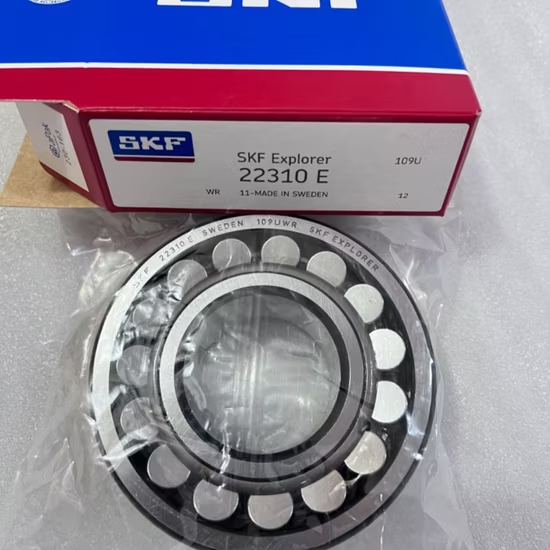
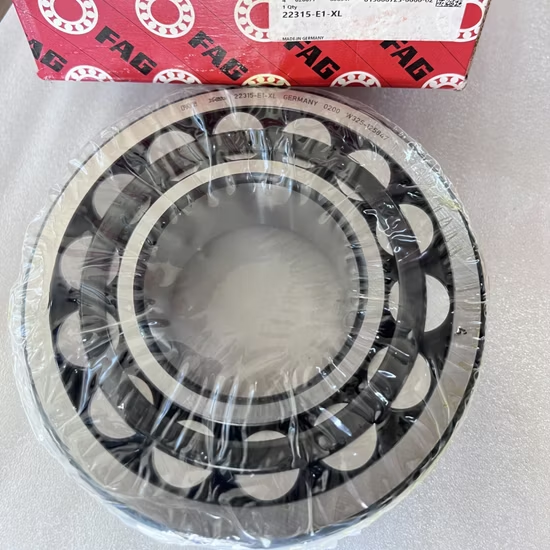
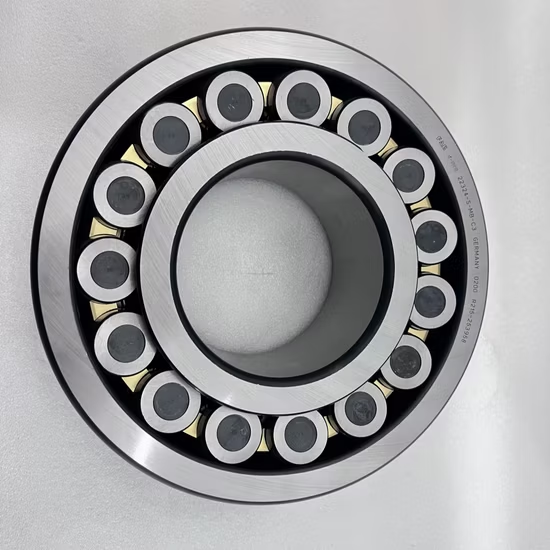


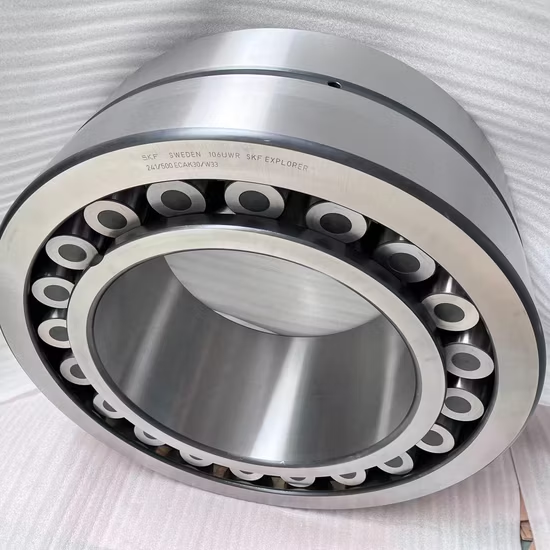
22205 22206 22220 22222 Ca Cc Cak Cck MB Ma E E1 Spherical Roller Bearings — engineered for heavy-duty industrial gearboxes and vibrating screens.
Factory-Traced Authenticity — Every batch of bearings we dispatch carries verifiable QR codes scannable through official brand applications to confirm manufacturing origin and lot integrity.
| Parameter | Value |
|---|---|
| Designation | 22205 22206 22220 22222 Ca Cc Cak Cck MB Ma E E1 |
| Bearing Type | Spherical Roller Bearing |
| Bore Type | Cylindrical and Tapered |
| Cage Material | Brass and Steel |
| Internal Design | Optimized |
| Origin | Germany / Japan / Sweden / Malaysia / China |
| HS Code | 8482500090 |
| Service | OEM |
| Customization | Available |
Note: Certain suffix variations like Ca, Cc, Cak, Cck, Ma, and E1 require specific manufacturer catalog confirmation before finalizing the cross-reference.
| Industry | Typical Applications |
|---|---|
| Mining and Crushing | Jaw crusher eccentric shafts, vibrating screen exciter mechanisms, conveyor drive pulleys |
| Steel and Metallurgy | Continuous casting machine guide rolls, rolling mill work roll necks, ladle turret slewing |
| Industrial Gearboxes | Heavy-duty reducer output shafts, extruder gearbox support bearings, agitator drive assemblies |
Sourcing the correct 22205 22206 22220 22222 spherical roller bearing requires strict suffix alignment, as matching only the base designation invites catastrophic field failures.
A base number match is meaningless if the cage material, internal clearance, and bore taper do not perfectly align with the equipment's thermal and dynamic demands.
I have stood in Chilean copper mines watching entire crushing lines halt because a procurement team accepted a visually identical replacement that lacked the correct internal design suffix. When a standard steel cage is forced into a high-vibration exciter mechanism designed for a machined brass cage, the resulting fatigue fractures happen long before the expected L10 life. Cross-reference errors that overlook these critical suffix variations lead to thermal binding, cage disintegration, and severe shaft scoring .
Selecting the right 22205 22206 22220 22222 spherical roller bearing for heavy machinery means looking past the catalog number to evaluate the actual operating environment. Our technical team reviews the specific shock loads, misalignment angles, and ambient temperatures of your application to ensure the selected internal geometry and cage design can withstand the brutal conditions of mineral processing and metallurgy.
In vibrating screens and jaw crushers, the bearings endure relentless radial shock loads combined with severe misalignment. The operational temperature inside these housings rises quickly, making the initial clearance class critical. If a standard clearance is installed where a C3 or C4 equivalent is required, the thermal expansion of the shaft and housing will eliminate the internal play, causing the rollers to skid and generating massive friction heat . Proper lubrication flow and robust sealing are equally vital to keep abrasive rock dust out of the raceway.
The suffix defines the bearing's survival capability. The E designation indicates an optimized internal design with larger, more numerous rollers to maximize radial load capacity. When the application involves intense vibration, the MB suffix becomes essential; it specifies a machined brass cage guided on the inner ring, which offers superior resistance to high-frequency acceleration forces and prevents cage fatigue. Conversely, steel cages are suitable for standard industrial gearboxes where loads are steady and vibration is minimal. Tapered bore variants, indicated by the K suffix, allow for precise radial clearance reduction during mounting on adapter sleeves, ensuring a rigid interference fit on the shaft.
Accepting a bearing based solely on the base number without verifying the suffix leads to premature failure and unplanned downtime. A mismatched cage material will shatter under high vibration, while an incorrect clearance class causes the bearing to seize as operating temperatures climb. These failures rarely occur in isolation; a seized bearing destroys the housing, scores the shaft, and voids the OEM equipment warranty, turning a simple component replacement into a massive mechanical rebuild .
We enforce strict three-point alignment on every order: base designation, clearance class, and cage material must all match the OEM requirement. Having witnessed the devastation caused by a misapplied 22220 CCK/W33 in a high-temperature crusher, I personally verify that brass-cage MB variants are never swapped for stamped steel alternatives. We consolidate mixed-brand requirements into single shipments without sacrificing traceability, and our application engineers review your load and speed parameters to catch cross-reference errors before the goods leave our facility.
To ensure the selected designation perfectly matches your machinery, provide our engineering team with your radial and axial load profiles, operating speeds, and steady-state temperatures. If you are replacing an existing component, share the exact OEM equipment number or the full designation stamped on the current bearing ring, including all clearance and cage suffixes. This data allows us to perform a comprehensive cross-reference review and calculate the expected L10 life for your specific application.
Q: Why does a matching base number still result in field failure?
A: The base number only defines the outer dimensions. If the internal clearance, cage material, or bore taper differs from the equipment's design requirements, the bearing will fail prematurely. A standard clearance will seize under thermal expansion, and a steel cage will fracture under the high vibration intended for a brass cage design.
Q: How do CA, CC, and MB cage designs differ in vibrating screens?
A: These suffixes denote different cage materials and guiding methods. Machined brass cages guided on the inner ring offer superior strength and fatigue resistance under the severe acceleration and vibration found in screening equipment, whereas pressed steel cages are generally reserved for standard, low-vibration industrial applications.
Q: How can I verify the batch authenticity of the delivered bearings?
A: Every shipment includes batch and lot traceability documentation. You can verify the authenticity by scanning the QR codes on the packaging using the official mobile applications provided by the respective bearing manufacturers, which confirm the manufacturing origin and lot integrity.
Q: How is radial clearance controlled when mounting tapered bore variants?
A: Tapered bore bearings are mounted on adapter sleeves or tapered shaft seats. The installer must measure the drive-up distance or the reduction in internal radial clearance during mounting. This ensures the interference fit is secure without eliminating the necessary operational clearance required for thermal expansion.
Q: Which clearance class is appropriate for high-temperature crusher applications?
A: High-temperature environments and heavy interference fits require larger internal clearances, typically C3 or C4. Using a standard CN clearance in these conditions will result in thermal binding as the shaft and housing expand, leading to excessive friction, heat generation, and eventual bearing seizure.
Our 5-step process ensures every order is engineered, validated, and supported for optimal performance.
Technical needs assessment
Custom specifications
Free samples for $50k+
Pre-shipment inspection
On-site & predictive
Our certified engineers respond within 24 hours with detailed technical specifications, pricing, and lead time information.