01
Consultation
Technical needs assessment

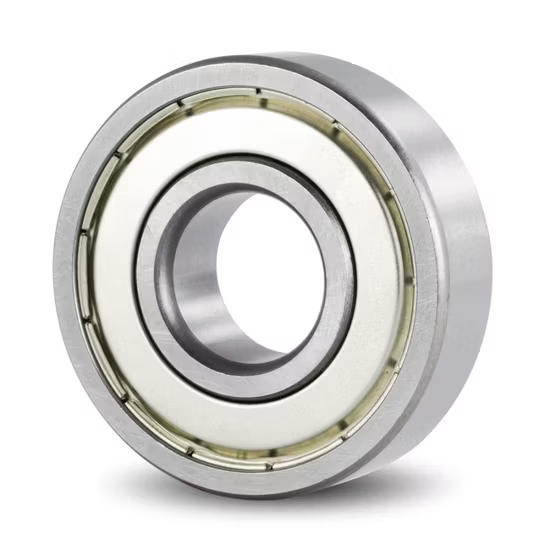
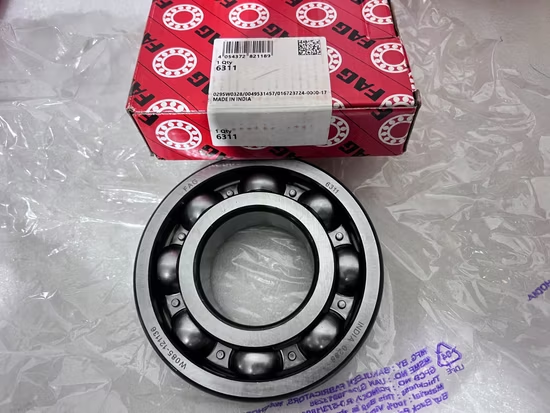


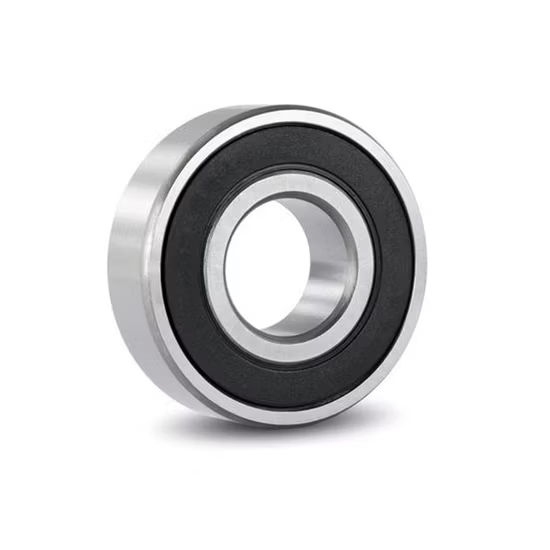
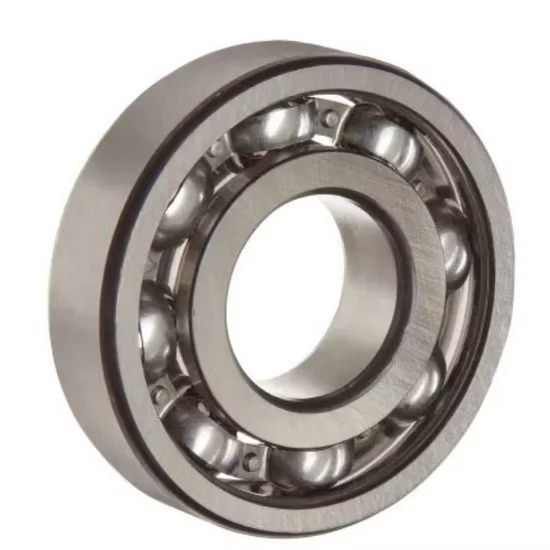
6002 6003 6004 6005 6006 6007 6008 6009 Deep Groove Ball Bearing P4 P5 P6 — Precision grades P4 and P5 ensure strict running accuracy for printing press spindles, while P6 covers medium-precision needs. Open, rubber-sealed, and iron-shielded variants adapt to diverse lubrication and contamination environments.
Precision Suffix Alignment — Cross-reference checks for the 6002 6003 6004 6005 6006 6007 6008 6009 series strictly verify base numbers, P4/P5/P6 precision grades, and seal types to prevent thermal binding in printing press spindles.
| Parameter | Value |
|---|---|
| Designation | 6002 6003 6004 6005 6006 6007 6008 6009 |
| Bearing Type | Deep Groove Ball Bearing |
| Precision Class | P4, P5, P6 |
| Material | Chrome Steel |
| Seal or Shield Type | Open, Rubber Seals, Iron Seals |
| Noise and Vibration Grade | Z1V1, Z2V2, Z3V3, Z4V4 |
| Origin | Germany, Japan, Sweden, Malaysia, China |
| Industry | Typical Applications |
|---|---|
| Printing Machinery | High-speed offset press cylinders, impression roller journals, ink fountain transfer shafts |
| Electric Motors | Precision rotor shafts, stator end-shields, servo motor armatures |
| Machine Tools | High-frequency grinding spindles, indexing head rotary tables, ball screw support ends |
Precision mismatches destroy registration accuracy long before structural fatigue occurs.
Sourcing teams often clear purchase orders by matching the base bore and outer diameter, overlooking the critical P4 or P5 precision suffix required for high-speed web tension control. When a standard P0 tolerance component is pressed into a precision spindle housing, the microscopic geometric deviations generate excessive friction heat. This thermal expansion eliminates internal clearance, leading to severe raceway scoring and immediate套印跑偏 (registration drift) on the printed sheet . A genuine 6002 6003 6004 6005 6006 6007 6008 6009 deep groove ball bearing must carry the exact precision grade specified by the OEM to maintain thermal stability.
The rotational accuracy of impression cylinders directly dictates print quality. We supply the 6002 6003 6004 6005 6006 6007 6008 6009 deep groove ball bearing in strictly graded P4, P5, and P6 tolerances, ensuring procurement engineers receive the exact geometric precision required for their specific press section. Our technical desk reviews the cross-reference to confirm that the requested precision suffix aligns with the spindle's speed and load profile, eliminating the risk of installing over-specified or under-specified components.
Printing environments demand strict contamination control without introducing excessive drag. Iron shields provide non-contact protection against paper dust and ink mist, maintaining low friction at high RPMs. Conversely, rubber seals offer superior moisture exclusion but generate higher friction heat, which can be detrimental in tightly toleranced P4 spindle housings. Selecting the correct seal type requires balancing the ambient contamination level against the thermal limits of the chrome steel rings and the specific Z-grade vibration limits .
The Z1V1 through Z4V4 quality levels indicate the strictness of the vibration and acoustic testing applied during manufacturing. For high-speed offset presses, a Z3V3 or Z4V4 rating ensures the bearing operates silently, preventing harmonic vibrations from transferring to the printing blanket. The P4 precision class restricts inner and outer ring dimensional deviations to extremely tight limits, ensuring the shaft runs true under the heavy radial loads of impression cylinders. Open variants allow for custom oil-air lubrication systems, while sealed versions rely on factory-packed grease suited for maintenance-free intervals.
Installing a component that matches the basic dimensions but lacks the required P4 precision suffix inevitably leads to unplanned downtime. The resulting thermal binding damages the expensive spindle housing and voids the press manufacturer's warranty. According to failure analysis frameworks like ISO 15243, geometric deviations causing localized stress concentrations are a primary driver of premature spalling . Replacing a single failed unit halts the entire printing line, turning a minor procurement oversight into a catastrophic production loss.
Mixed-brand orders often result in suffix inconsistencies across different manufacturers. Our authorization covers all major international brands, allowing us to consolidate the 6002 6003 6004 6005 6006 6007 6008 6009 deep groove ball bearing requirements into a single, compliant shipment. We verify that the P4 or P5 designation on the replacement matches the exact internal geometry and seal friction characteristics of the original equipment. Every batch is traced back to the manufacturer's production facilities, providing QR verification to eliminate the risk of counterfeit rings with soft inner surfaces.
To ensure the selected precision grade and seal configuration match your press requirements, please provide the exact OEM equipment number or the original bearing's full designation including all suffixes. Sharing the spindle's maximum operating RPM, radial load estimates, and ambient temperature allows our engineering team to validate the P4/P5/P6 selection and confirm the appropriate Z-grade vibration limit. This technical review guarantees the replacement integrates flawlessly into your existing tension control system.
Q: What is the practical selection boundary between P4 and P5 precision for printing press spindles?
A: P4 is typically mandated for the main impression cylinders and high-speed fountain rollers where microscopic runout causes visible registration drift. P5 is often sufficient for secondary transfer shafts and ink agitators where rotational accuracy is critical but extreme web tension is not present. We verify the exact OEM requirement during the cross-reference phase to prevent over-specifying or under-specifying the tolerance class.
Q: How do you ensure the seal type matches the original equipment during a cross-reference?
A: We do not rely solely on the base dimension match. Our technical team checks the original equipment manual to confirm whether the application requires the non-contact friction profile of iron shields or the absolute moisture exclusion of rubber seals. We then supply the exact suffix equivalent, ensuring the thermal balance of the P4 spindle housing is not disrupted by incorrect seal drag.
Q: How does the Z-grade vibration rating affect high-speed printing quality?
A: Higher Z-grades, such as Z3V3 or Z4V4, indicate stricter control over surface waviness and rolling element sphericity. In high-speed offset presses, this minimizes harmonic vibrations that could otherwise transfer through the spindle bearings to the printing blanket, causing micro-banding or ghosting on the final printed sheet. We recommend Z3V3 or higher for all critical impression roller applications.
Q: How can we verify the authenticity of the P4 bearings to avoid soft inner ring counterfeits?
A: Every unit we supply includes batch traceability documentation and a QR code that can be scanned using the brand's official mobile application. This digital verification confirms the metallurgical origin and precision grade directly from the manufacturer's database, protecting your equipment from counterfeit components that fail under the thermal stress of high-speed printing operations.
Our 5-step process ensures every order is engineered, validated, and supported for optimal performance.
Technical needs assessment
Custom specifications
Free samples for $50k+
Pre-shipment inspection
On-site & predictive
Our certified engineers respond within 24 hours with detailed technical specifications, pricing, and lead time information.