01
Consultation
Technical needs assessment

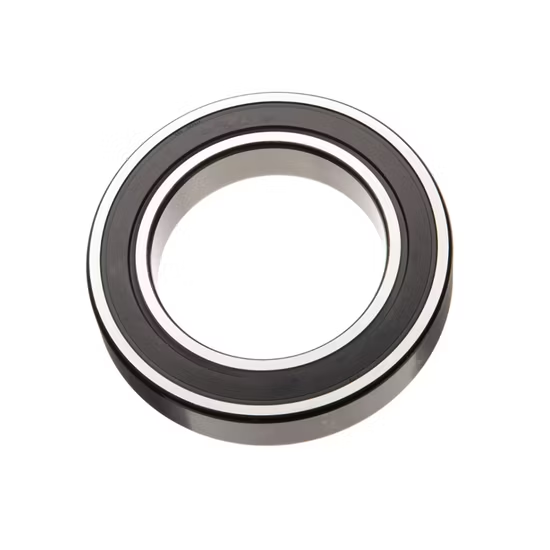
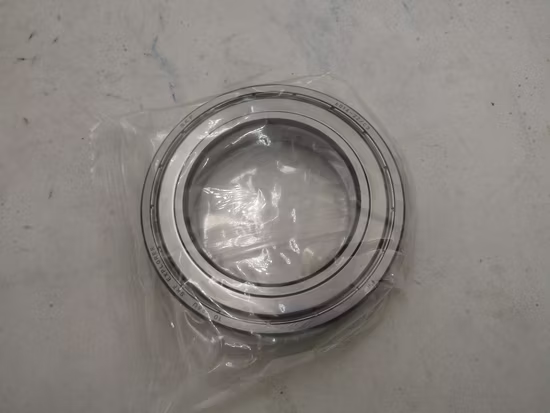

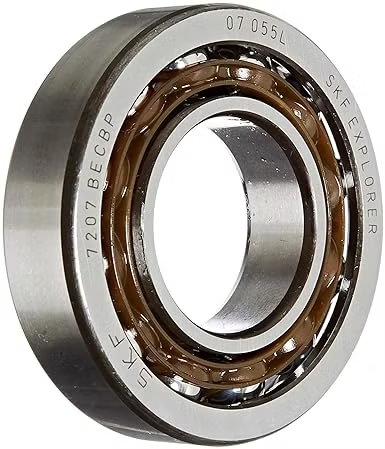

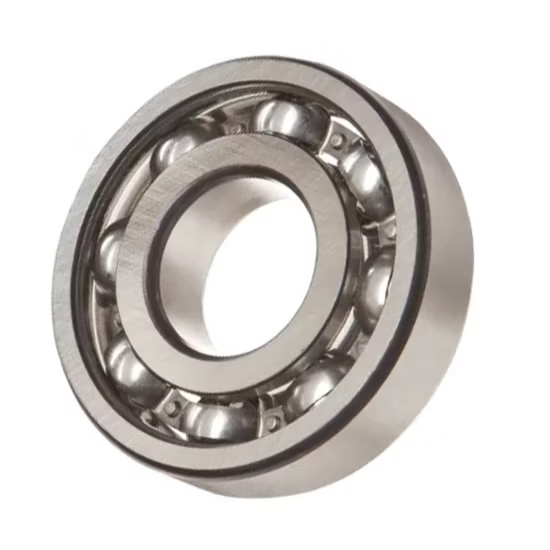
5206 7200 7201 Angular Contact and Deep Groove Ball Bearings P0–P2 — manufactured from Gcr15 bearing steel for reliable fatigue life.
Official App QR Verification — Every batch of 5206 7200 7201 bearings includes traceable QR codes scannable via manufacturer apps to confirm authenticity before installation.
| Parameter | Value |
|---|---|
| Designation | 5206 7200 7201 |
| Product Type | Deep Groove Ball Bearing |
| Bearing Type | Deep Groove / Angular Contact / Thrust configurations |
| Number of Rows | Single Row / Double Row options |
| Precision Class | P0, P6, P5, P4, P2 |
| Seal or Shield Type | Zz, 2RS, Open |
| Material | Gcr15 bearing steel |
| Origin | Shanghai |
Note: Suffix details for 5206, 7200, and 7201 remain unverified and require manufacturer catalog confirmation.
| Industry | Typical Applications |
|---|---|
| Machine Tool Manufacturing | High-speed spindle assemblies and precision indexing tables |
| Industrial Pump Systems | High-speed pump impeller shafts and sealing chambers |
| Robotics & Automation | Robotic arm joint actuators and precision linear guides |
| Precision Equipment | Optical measuring instruments and semiconductor handling tools |
Base number matches do not guarantee operational survival.
Procurement teams frequently approve cross-references where the core designation aligns perfectly, yet the internal clearance, cage material, or precision suffixes diverge from the original equipment requirements. In our workshop experience, installing a standard clearance variant in a high-speed spindle meant for C3 thermal expansion leads to rapid thermal binding. When sourcing a 5206 7200 7201 angular contact ball bearing, ignoring these microscopic suffix differences results in catastrophic cage failure or severe spindle runout .
Selecting the right variant requires looking beyond the catalog cover. We evaluate your specific radial and axial load profiles alongside operational speeds to recommend the optimal cage design and precision grade. This ensures the 5206 7200 7201 angular contact ball bearing integrates flawlessly into your assembly without compromising the equipment's original tolerance stack-up.
High-speed spindles generate substantial friction heat, demanding careful consideration of internal clearance to accommodate thermal expansion of the shaft and housing. Simultaneously, the choice between non-contact metal shields and contact rubber seals dictates the balance between friction generation and contamination exclusion. Proper lubrication intervals and grease selection further dictate the operational ceiling, especially when ambient temperatures fluctuate or coolant exposure is prevalent .
Precision classes ranging from P0 to P2 dictate the dimensional and running accuracy, directly influencing the vibration and noise profiles of precision equipment. The Gcr15 high-carbon chromium bearing steel provides the necessary contact fatigue resistance, though specialized applications might require alternative material options like ceramics or stainless steels for extreme environments. Seal configurations, whether Zz for light dust protection or 2RS for heavy moisture exposure, must be matched to the maintenance accessibility of the housing.
Overlooking a single suffix can trigger unplanned downtime that dwarfs the component's purchase price. A mismatched precision grade in a machine tool spindle forces costly re-machining of housing bores and ruins adjacent sealing components. According to ISO 281 frameworks, operating a bearing outside its verified load and speed boundaries drastically accelerates subsurface fatigue, leading to premature spalling and catastrophic equipment damage .
We do not just ship boxes; we verify the engineering intent. When cross-referencing a 5206 7200 7201 angular contact ball bearing, our technical team explicitly checks the cage material and precision suffixes against your OEM drawings to prevent thermal binding. Our authorized multi-brand coverage means you can consolidate mixed-brand spindle rebuild kits into a single, fully traceable shipment. We provide application-based selection reviews that factor in your specific mounting practices and operational temperatures, eliminating the guesswork from critical spare procurement.
To ensure precise technical alignment, please provide your operational parameters including radial and axial loads, maximum RPM, and steady-state operating temperatures. Sharing the specific OEM equipment number or the complete original designation allows our engineering team to perform a rigorous cross-reference check. This data enables us to validate the L10 life calculation and confirm the exact suffix configuration required for your application.
Q: Why must precision and clearance suffixes exactly match OEM requirements during cross-referencing?
A: Base numbers only define boundary dimensions. A standard clearance bearing installed in a high-speed spindle will thermally bind as the shaft expands, while a P0 grade unit in a P4-required application causes unacceptable vibration. Exact suffix alignment ensures the internal geometry and tolerances survive the specific thermal and dynamic loads of your equipment.
Q: How do ISO and ABEC precision standards correlate for P4 and P2 applications?
A: ISO 492 defines the metric tolerances where P4 roughly aligns with ABEC 7, and P2 corresponds to ABEC 9. P4 is typically the boundary for high-speed machine tool spindles requiring tight runout control, while P2 is reserved for ultra-precision grinding machines where microscopic dimensional deviations directly ruin the workpiece surface finish.
Q: What is the operational difference between Zz shields and 2RS seals?
A: Zz metal shields provide non-contact protection against large debris and retain grease without adding friction, making them ideal for high-speed spindles. 2RS rubber seals offer superior exclusion of fine dust and moisture but generate higher frictional heat, limiting the maximum permissible RPM and requiring careful thermal management.
Q: What mounting practices are recommended for high-precision spindle bearings?
A: Always use calibrated induction heaters for cylindrical bore inner rings, strictly controlling the temperature to prevent altering the Gcr15 steel metallurgy. For angular contact variants, ensure the correct mounting orientation and apply the specified axial preload during assembly to eliminate internal clearance and maximize system rigidity.
Our 5-step process ensures every order is engineered, validated, and supported for optimal performance.
Technical needs assessment
Custom specifications
Free samples for $50k+
Pre-shipment inspection
On-site & predictive
Our certified engineers respond within 24 hours with detailed technical specifications, pricing, and lead time information.