01
Consultation
Technical needs assessment

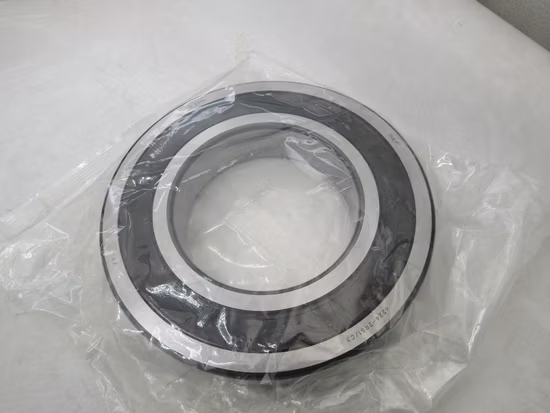
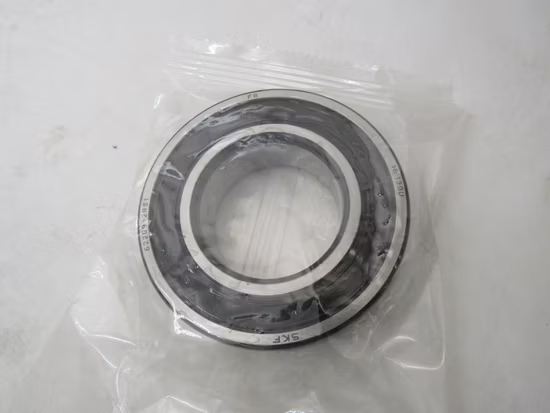
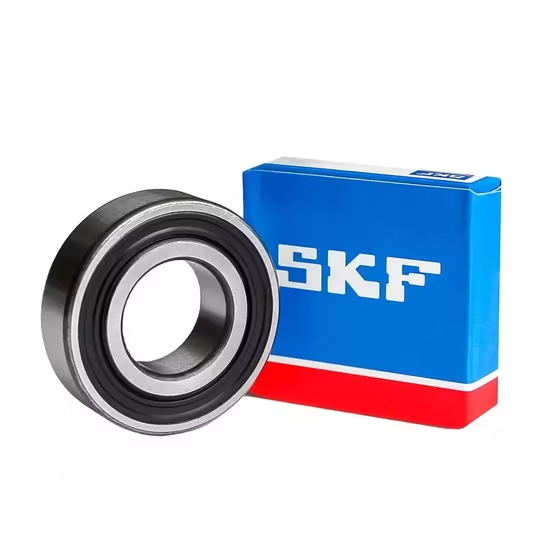
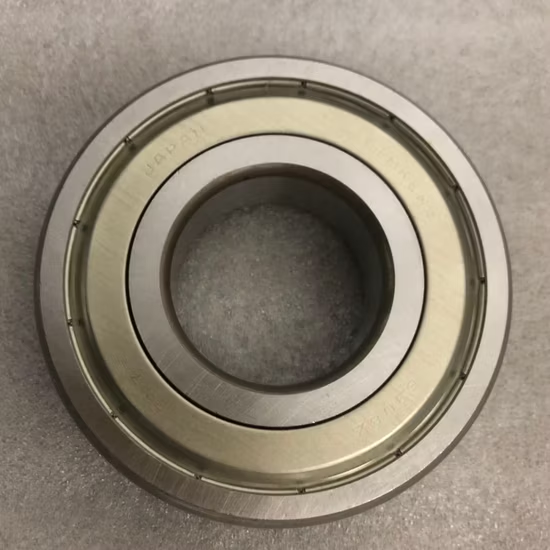

Deep Groove Ball Bearing for General Machinery and Electric Motors — manufactured from GCr15 steel for reliable wear resistance across diverse industrial environments.
Multi-brand authorized coverage — Consolidate your mixed-brand electric motor and gearbox requirements into a single shipment with full traceability across all major international manufacturers.
| Parameter | Value |
|---|---|
| Product Type | Deep Groove Ball Bearing |
| Structure | Deep Groove |
| Seal or Shield Type | Available in ZZ, 2RS, or Open configurations |
| Material | High-carbon chromium bearing steel (GCr15) or stainless steel variants |
| Origin | Shanghai |
| Industry | Typical Applications |
|---|---|
| Electric Motors | Rotor shaft support and end-shield mounting |
| Industrial Gearboxes | High-speed input shaft and intermediate shaft support |
| Material Handling | Conveyor pulley shafts and idler roller assemblies |
| Fluid Machinery | Centrifugal pump shaft support and impeller alignment |
Thermal binding from incorrect internal clearance remains a primary cause of catastrophic winding failure in electric motors.
During a quality control audit at a Vietnamese motor manufacturing plant, I inspected a batch of returned units where the stator windings had completely burned out. The root cause was not electrical; it was a batch of replacement bearings installed with standard clearance where a larger clearance class was strictly required for thermal expansion. As the motor reached its operating temperature, the internal clearance vanished, leading to severe friction, thermal runaway, and eventual seizure . When procurement teams prioritize low unit costs over exact specification matching, the resulting unplanned downtime and equipment replacement expenses drastically outweigh any initial savings. Partnering with a technically competent deep groove ball bearing supplier ensures that every unit dispatched matches the exact thermal and mechanical demands of your specific application.
Selecting the correct enclosure is critical for maintaining lubrication integrity and preventing contaminant ingress. As a dedicated deep groove ball bearing supplier, we guide procurement engineers through the friction-versus-protection trade-off inherent in seal selection. Non-contact metal shields offer minimal friction and are ideal for high-speed electric motor applications where heat generation must be minimized. Conversely, contact rubber seals provide superior protection against moisture and fine particulate matter, making them essential for gearboxes or pumps operating in harsh, contaminated environments. Open configurations are specified when the housing provides its own sealing mechanism or when the bearing requires external relubrication during scheduled maintenance intervals.
Electric motors and industrial gearboxes subject bearings to complex radial loads while generating significant internal heat. The internal clearance must be carefully selected to accommodate the thermal expansion of the shaft and housing during continuous operation. If the clearance is too tight, the rolling elements will bind; if too loose, excessive vibration and noise will degrade the system . Furthermore, the lubrication strategy must align with the operating temperature and speed. High-speed spindles require low-viscosity oils or specialized greases to prevent churning losses, while heavy-duty conveyors demand high-temperature greases with extreme pressure additives to withstand shock loads and prevent metal-to-metal contact.
The baseline material for these components is high-purity GCr15 bearing steel, which provides the necessary hardness and fatigue resistance for standard industrial applications. However, when equipment operates in highly corrosive environments, such as food processing or marine applications, martensitic stainless steel variants are available to prevent surface degradation. For applications requiring ultra-high speeds or electrical insulation to prevent bearing fluting from stray currents, ceramic hybrid options can be specified. Precision classes dictate the dimensional and running accuracy; while standard grades suffice for general conveyors, high-precision classes are mandatory for machine tool spindles to ensure minimal runout and smooth operation.
Failing to verify the exact internal design and clearance class leads to severe operational consequences. According to the failure classification frameworks outlined in ISO 15243, a significant share of premature bearing failures stems from improper selection rather than manufacturing defects . Installing a standard clearance bearing in a high-temperature motor results in thermal binding, causing the cage to disintegrate and the shaft to score. Similarly, using a stamped steel cage in an application that demands the vibration-damping properties of a machined brass cage leads to rapid fatigue cracking. These mismatches trigger catastrophic damage, void equipment warranties, and force expensive emergency shutdowns.
Our distribution model eliminates the risks associated with superficial part number matching. While many vendors only verify the base designation, our engineering team cross-references the exact clearance, cage material, and precision suffixes required by your OEM documentation. We maintain authorized distribution channels across all major international brands, allowing you to consolidate mixed-brand requirements into a single, fully traceable order. Every shipment is backed by rigorous dimensional and running accuracy inspections, ensuring the components meet the precise tolerances needed for high-speed motor assemblies. This technical validation prevents the installation of counterfeit or substandard parts that feature soft inner rings and cloned verification codes.
To ensure optimal performance and longevity, our technical team requires specific operational parameters before finalizing your order. Please provide the exact equipment model, available mounting space, and the anticipated radial and axial loads. Details regarding the operating temperature range, rotational speed, and environmental exposure to dust or moisture are essential for determining the correct internal clearance and seal configuration. Supplying this data allows our engineers to perform a comprehensive cross-reference check and recommend the precise designation that aligns with your machinery's mechanical and thermal requirements.
Q: How do I determine the exact bearing designation and suffix requirements for my equipment?
A: Determining the correct specification requires analyzing your equipment's operational parameters, including load, speed, and temperature. Provide our engineering team with the OEM equipment number or the specific application conditions. We will perform a comprehensive cross-reference review to identify the exact internal clearance, cage material, and seal configuration required to prevent thermal binding or premature cage failure in your specific machinery.
Q: What are the common failure modes in high-temperature electric motor applications?
A: In high-temperature environments, the most frequent failure mode is thermal binding caused by installing standard clearance bearings instead of the required larger clearance class. As the motor heats up, the internal clearance vanishes, leading to extreme friction, cage disintegration, and eventual shaft seizure. Ensuring the correct clearance suffix is matched to the operating temperature is critical for preventing these catastrophic motor burnouts.
Q: How should I choose between ZZ shields, 2RS seals, and open designs?
A: The choice depends on your contamination and friction requirements. ZZ metal shields provide excellent protection against large debris with minimal friction, making them ideal for high-speed electric motors. 2RS rubber contact seals offer superior defense against moisture and fine dust but generate slightly more friction. Open designs are selected when the housing provides external sealing or when the application requires regular relubrication.
Q: What documentation ensures the authenticity of the supplied bearings?
A: Every shipment includes a Certificate of Conformity, comprehensive batch and lot traceability, and material test reports. We also provide dimensional and running accuracy inspection reports. Furthermore, all products feature QR codes that can be verified directly through the official mobile applications of the respective manufacturers, ensuring complete protection against counterfeit products with cloned markers or soft inner rings.
Our 5-step process ensures every order is engineered, validated, and supported for optimal performance.
Technical needs assessment
Custom specifications
Free samples for $50k+
Pre-shipment inspection
On-site & predictive
Our certified engineers respond within 24 hours with detailed technical specifications, pricing, and lead time information.