01
Consultation
Technical needs assessment

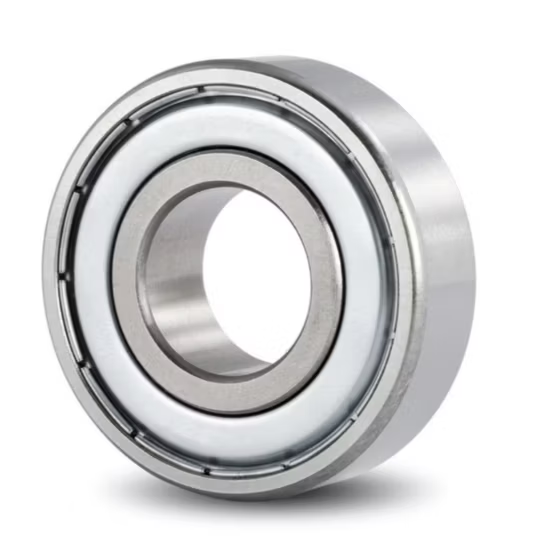
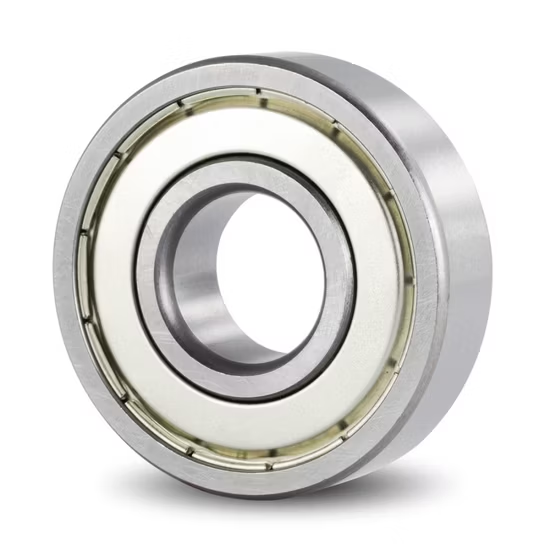
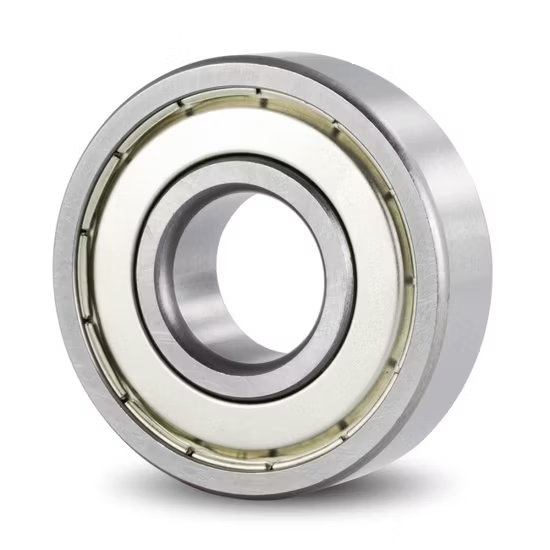
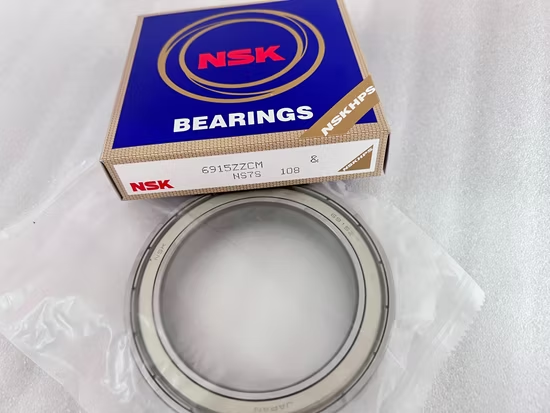
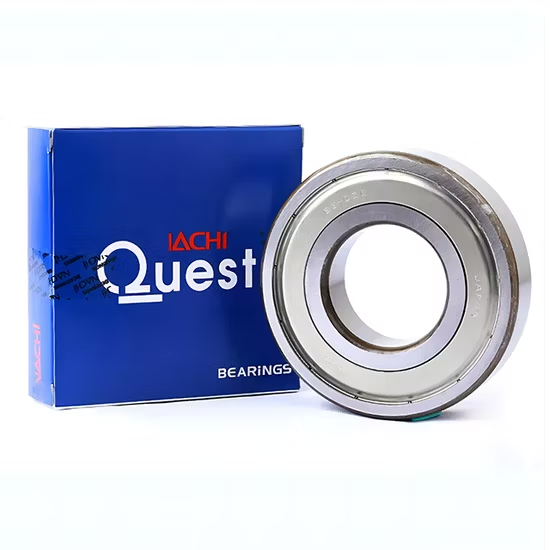
6318 2z C3 Deep Groove Ball Bearing with C3 clearance and double steel shields — designed for electric motors and industrial gearboxes where thermal expansion demands greater-than-normal internal clearance.
Every shipment carries full manufacturer batch and lot traceability with QR codes verifiable through official brand applications.
Multi-Brand Authorized Coverage — Source your required 6318 2z C3 configuration across SKF, FAG, or NSK in a single consolidated and fully traceable shipment.
| Parameter | Value |
|---|---|
| Designation | 6318 2z C3 |
| Bearing Type | Deep Groove Ball Bearing |
| Seal or Shield Type | Double steel shields (2z) |
| Internal Clearance | C3 (Greater than normal) |
| Quality Level Options | Z1V1, Z2V2, Z3V3, Z4V4 |
| Origin Options | Germany, Japan, Sweden, Malaysia, China |
| Industry | Typical Applications |
|---|---|
| Electric Motors | High-temperature stator and rotor shaft supports |
| Industrial Gearboxes | High-speed intermediate shaft positioning |
| Material Handling | Conveyor drive pulley bearing housings |
Matching the base designation without verifying the C3 clearance and 2z shield suffixes routinely leads to thermal binding under continuous industrial duty.
Procurement teams often approve cross-references that align perfectly on the base number while silently dropping critical internal clearance or shield specifications. In our Ningbo workshop, we frequently tear down seized electric motors only to find a standard clearance unit installed where thermal expansion demanded a C3 fit. When high-speed shafts heat up, the inadequate internal clearance vanishes, causing the rolling elements to skid and the cage to fracture . Sourcing the exact 6318 2z C3 deep groove ball bearing ensures the thermal growth of the shaft is properly accommodated, preventing catastrophic downtime.
Securing the correct 6318 2z C3 deep groove ball bearing requires looking past the primary dimensions to evaluate how the unit handles specific operational stresses. We review your application parameters to confirm that the C3 clearance adequately compensates for the thermal gradient between the hot shaft and the cooler housing. This precise alignment prevents the premature cage failures that plague generic replacements lacking verified suffix matching.
Electric motors and gearboxes generate substantial internal heat while operating in environments laden with fine particulate matter. The double steel shields provide a non-contact barrier that keeps abrasive dust out of the raceway without introducing the friction penalties associated with rubber seals. Meanwhile, the expanded internal clearance prevents the rolling elements from being crushed against the raceway as the inner ring expands faster than the outer ring during thermal transients .
The 2z suffix indicates non-contact metal shields that offer excellent protection against solid contaminants while maintaining the low friction necessary for high-speed motor applications. Unlike rubber seals, these steel shields do not rub against the inner ring, keeping operating temperatures manageable. The C3 internal clearance provides the necessary geometric space for the bearing to absorb thermal expansion and accommodate slight shaft deflections without inducing excessive preload on the rolling elements.
Installing a standard clearance unit in a high-temperature motor application eliminates the designed thermal margin, forcing the bearing into a negative clearance state that rapidly accelerates fatigue. This oversight leads to unplanned downtime, destroyed shaft journals, and voided equipment warranties. According to ISO 15243 frameworks, the resulting surface distress and cage failures are entirely preventable through rigorous suffix verification during the procurement phase .
We maintain authorized distribution channels across all major international brands, allowing you to fulfill mixed-brand MRO requirements without juggling multiple vendors. Every 6318 2z C3 deep groove ball bearing we supply undergoes a strict cross-reference review to ensure the clearance and shield types match your OEM specifications exactly. Our batch traceability protocols and official QR verification support eliminate the risk of receiving counterfeit units with soft inner rings that pass casual visual inspections but fail under load.
To ensure the selected unit perfectly matches your machinery, please provide the specific radial and axial loads, operating speeds, and expected thermal gradients. Sharing the OEM equipment designation allows our engineering team to perform a comprehensive cross-reference check, verifying that the internal clearance and shield configuration align with the original design intent.
Q: Why does a standard clearance bearing fail in applications requiring the 6318 2z C3 deep groove ball bearing?
A: Standard clearance lacks the internal geometric space needed to accommodate shaft thermal expansion in high-temperature environments. When the shaft heats up and expands, the clearance disappears, creating excessive preload that causes thermal binding, rapid cage wear, and eventual motor seizure under continuous operational loads.
Q: How can I verify the authenticity of the received units?
A: We provide full batch traceability documentation and encourage buyers to scan the manufacturer's QR codes using official brand applications. This digital verification confirms the metallurgical origin and ensures the unit is not a counterfeit with cloned visual markers and substandard inner ring hardness.
Q: What are the main cross-reference pitfalls when sourcing this specific configuration?
A: Suppliers often match the base 6318 number but overlook the C3 clearance or supply rubber-sealed variants instead of the required 2z steel shields. This mismatch alters the friction profile and thermal capacity, leading to premature field failures despite the base dimensions being physically compatible with the housing.
Q: How do the 2z steel shields compare to rubber seals in electric motor applications?
A: The 2z non-contact steel shields effectively block solid contaminants without generating the rubbing friction characteristic of contact rubber seals. This low-friction design is critical for high-speed electric motors, as it minimizes heat generation and prevents the lubricant from degrading prematurely due to excessive seal drag.
Our 5-step process ensures every order is engineered, validated, and supported for optimal performance.
Technical needs assessment
Custom specifications
Free samples for $50k+
Pre-shipment inspection
On-site & predictive
Our certified engineers respond within 24 hours with detailed technical specifications, pricing, and lead time information.


