01
Consultation
Technical needs assessment


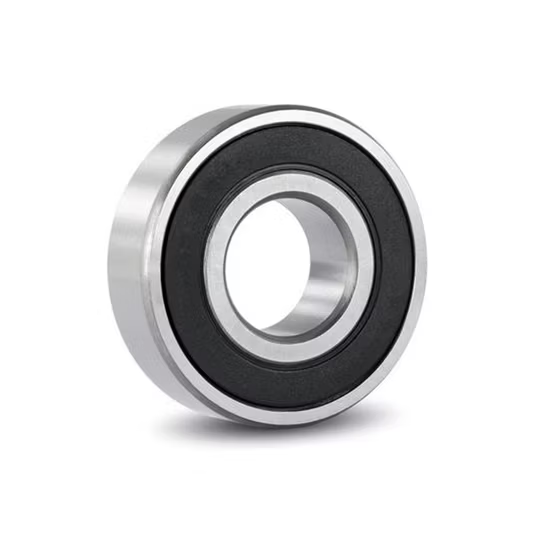
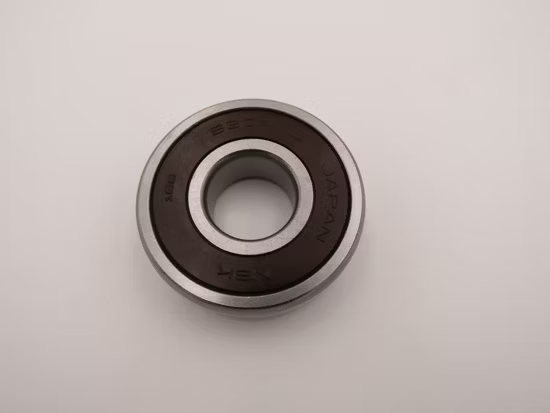
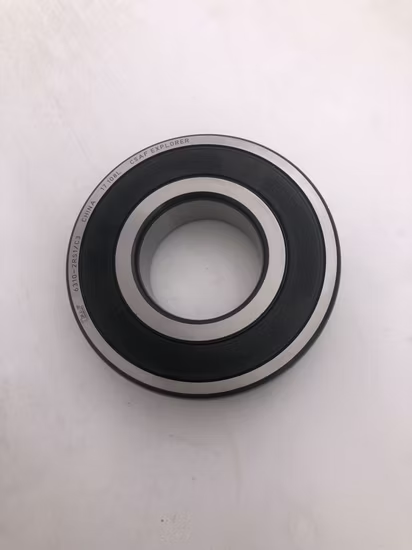
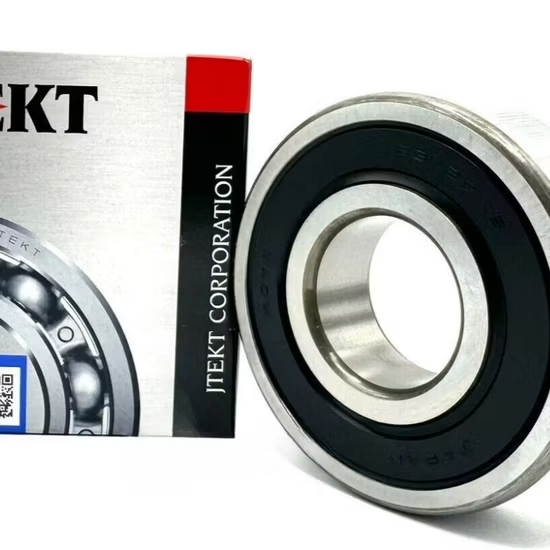

6313-2RS/C3 Deep Groove Ball Bearing
Multi-Brand Authorized Sourcing — A single purchase order covers SKF, FAG, and NSK equivalents for the 6313-2RS/C3 deep groove ball bearing without juggling multiple vendors.
| Parameter | Value |
|---|---|
| Designation | 6313-2RS/C3 |
| Bearing Type | Deep Groove Ball Bearing |
| Bore Diameter (d) | 65 mm |
| Outside Diameter (D) | 140 mm |
| Width (B) | 33 mm |
| Seal or Shield Type | Double-sided contact rubber seals |
| Clearance Class | C3 (Greater than normal) |
| Noise and Vibration Level | Z1V1, Z2V2, Z3V3, Z4V4 options |
| Material | Standard bearing steel (martensitic stainless or ceramic rolling elements available upon request) |
| Precision Class | P0 to P2 options |
Note: The exact variant of the 2RS suffix, such as 2RS1 or 2RSH, requires manufacturer catalog confirmation for specific seal lip designs.
| Industry | Typical Applications |
|---|---|
| Electric Motors | Rotor shaft support in high-speed AC and DC motors |
| Industrial Gearboxes | Intermediate shaft positioning in heavy-duty reduction units |
| Pumps | Impeller shaft stabilization in centrifugal water pumps |
| Conveyors | Drive roller journals in bulk material handling systems |
Ignoring the C3 radial internal clearance suffix is a primary cause of premature seizure in high-temperature motor applications.
I transitioned from shop floor grinding to technical sales in the Yangtze River Delta manufacturing belt after witnessing too many rotor shafts lock up solid. Procurement teams often match the base 6313 number but overlook the clearance requirement, installing standard CN bearings where thermal expansion demands C3. When the inner ring expands faster than the housing under load, the radial clearance vanishes, generating massive friction. This oversight destroys cages and ruins expensive motor windings long before the expected L10 life is reached.
Selecting the right 6313-2RS/C3 deep groove ball bearing requires balancing thermal growth with contamination exclusion. The C3 clearance provides the necessary internal space to accommodate shaft expansion during continuous high-speed operation. Simultaneously, the double-sided rubber seals retain the factory grease fill while blocking abrasive dust from entering the raceway. We review these application parameters to ensure the selected configuration survives the actual operating environment, rather than just fitting the physical envelope.
Electric motors and industrial pumps subject bearings to continuous radial loads combined with high rotational speeds. At these velocities, friction from the contact rubber seals generates localized heat, which compounds the thermal expansion of the shaft. If the internal clearance is insufficient to absorb this combined thermal growth, the rolling elements skid against the raceway. Proper lubrication retention is equally critical, as the sealed design relies entirely on the initial grease fill to prevent metal-to-metal contact throughout the service interval.
The 63 series indicates a robust cross-section designed for heavier radial loads than the standard 62 series, while the 13 bore code dictates the 65 mm shaft size. The C3 suffix is non-negotiable for applications involving tight interference fits or elevated operating temperatures, ensuring the bearing does not preload itself into failure. Furthermore, the Z1V1 through Z4V4 noise and vibration quality levels allow buyers to specify the exact acoustic smoothness required for precision electric motors, minimizing resonance in the final assembly.
Substituting a standard clearance bearing in a high-speed motor leads to unplanned downtime and catastrophic damage to the stator and rotor. According to failure analysis frameworks like ISO 15243, smearing and cage fractures are direct consequences of inadequate internal clearance under thermal stress. Beyond the immediate replacement costs, voided equipment warranties and halted production lines create massive financial drains that far exceed the initial savings of buying an unverified, incorrectly specified part.
We authorize distribution across all major international brands, meaning you can consolidate mixed-brand requirements into one traceable shipment. Cross-brand interchange is matched strictly on clearance, cage material, and precision suffixes, preventing the dangerous trap of swapping a C3 for a CN just because the base number aligns. Every 6313-2RS/C3 deep groove ball bearing we ship includes batch traceability to the manufacturer, verified via official QR applications. Our application-based selection review actively catches mismatches in seal types and thermal limits before the quote is finalized.
To ensure the selected bearing survives your specific application, please provide the exact radial and axial loads, operating speeds, and thermal profiles. Sharing the OEM equipment number allows our engineering team to perform a precise cross-reference check, verifying that the C3 clearance and rubber seal configuration align perfectly with the original design intent. This technical review prevents costly field failures caused by overlooked suffix discrepancies.
Q: Why is matching the C3 clearance suffix critical when replacing standard CN bearings?
A: Standard CN clearance is too tight for applications with high thermal expansion or tight interference fits. Installing a CN bearing where a C3 is required causes the internal clearance to vanish as the shaft heats up, leading to extreme friction, cage failure, and eventual thermal seizure of the rotating assembly.
Q: How to verify the authenticity of batch traceable bearings using official brand apps?
A: Scan the QR code printed on the physical bearing box using the specific manufacturer's official smartphone application. The app will confirm the batch number, production date, and original factory destination, ensuring the product has not been diverted or counterfeited with cloned packaging.
Q: What are the cross-reference pitfalls regarding seal types like rubber versus iron shields?
A: Matching only the base designation while ignoring seal suffixes causes severe field issues. Substituting non-contact iron shields for the specified 2RS rubber seals allows fine dust and moisture to enter the raceway, rapidly degrading the grease and causing premature abrasive wear in dirty environments.
Q: How do Z1V1 through Z4V4 noise and vibration levels impact electric motor applications?
A: Higher Z and V grades indicate stricter manufacturing tolerances for surface finish and geometrical accuracy. Selecting a Z3V3 or Z4V4 grade minimizes acoustic noise and structural vibration in high-speed electric motors, preventing resonance issues and ensuring smoother operation in sensitive consumer or industrial appliances.
Q: What documentation is provided to ensure compliance and origin verification?
A: We supply a comprehensive documentation package including a Certificate of Conformity, material test reports, dimensional inspection records, and country-of-origin certificates. These documents prove the exact specifications of the bearing and satisfy strict quality audits for industrial procurement and customs clearance.
Our 5-step process ensures every order is engineered, validated, and supported for optimal performance.
Technical needs assessment
Custom specifications
Free samples for $50k+
Pre-shipment inspection
On-site & predictive
Our certified engineers respond within 24 hours with detailed technical specifications, pricing, and lead time information.