01
Consultation
Technical needs assessment

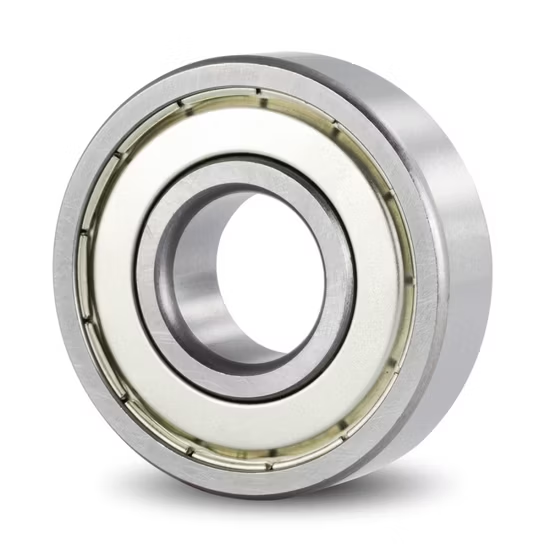
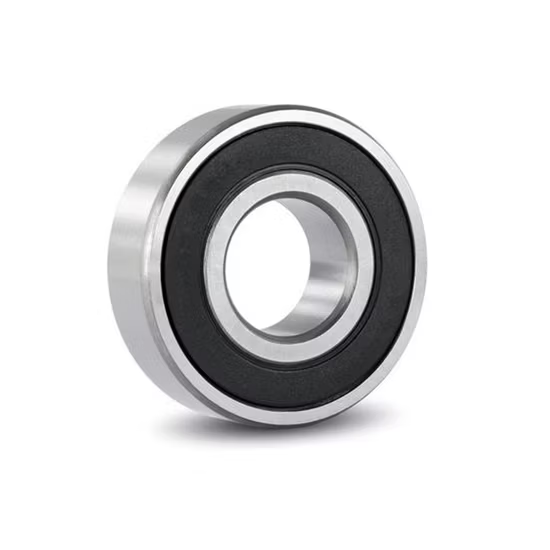
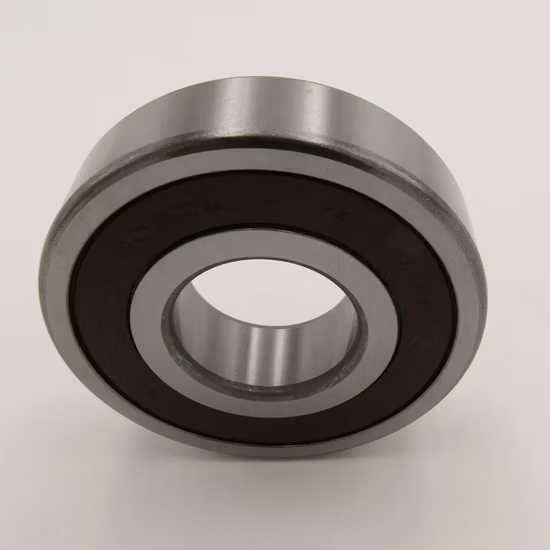
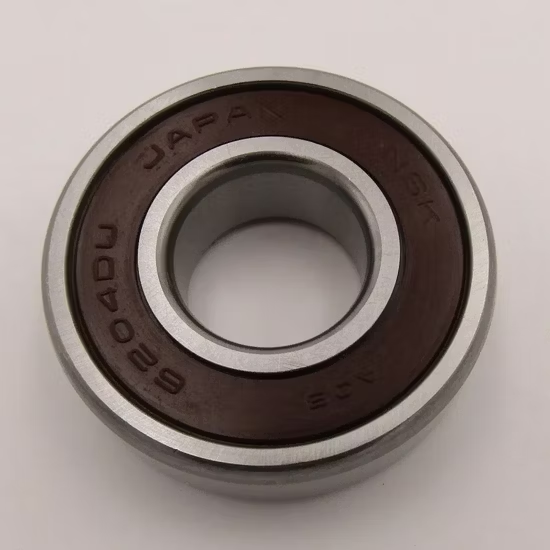

6216 Deep Groove Ball Bearing
Multi-brand authorized coverage — sourcing 6216 variants across SKF, FAG, and NSK in a single consolidated shipment eliminates multi-vendor coordination.
| Parameter | Value |
|---|---|
| Designation | 6216 |
| Bearing Type | Deep Groove Ball Bearing |
| Bearing Style | Open, Iron Shields (ZZ), Rubber Seals (2RS) |
| Precision Class | P4, P5, P6 |
| Quality Level | Z1V1, Z2V2, Z3V3, Z4V4 |
| Material | Chrome Steel |
| Origin | Germany, Japan, Sweden, Malaysia, China |
| Industry | Typical Applications |
|---|---|
| Printing & Packaging | Printing press impression cylinders and web guide rollers |
| Power Transmission | Industrial gearbox intermediate shafts and electric motor rotors |
| Material Handling | Conveyor drive pulleys and pump impeller shafts |
Matching the base 6216 deep groove ball bearing number while ignoring precision and sealing suffixes is a primary driver of catastrophic spindle failure in high-speed printing equipment.
Early in my trading career in Dongguan, I watched a batch of standard P0 grade units get installed into a commercial printing press simply because the base designation matched the OEM manual. The high-speed operation generated severe vibration, leading to rapid raceway spalling and total spindle报废. That disaster cemented my obsession with suffix accuracy. A basic replacement might physically fit the housing, but without the correct P4 or P5 precision class and appropriate 2RS contact seals, the internal clearances and running accuracy will simply collapse under operational loads .
Selecting the right 6216 deep groove ball bearing requires aligning the seal type and precision grade with the specific contamination and speed profile of the machinery. Our technical review process goes beyond the base number, evaluating whether an open design suits a clean, oil-lubricated gearbox, or if a 2RS rubber-sealed variant is mandatory to keep paper dust out of a printing press cylinder assembly while maintaining the required P5 running accuracy.
Printing press cylinders and industrial gearboxes subject deep groove ball bearings to continuous radial loads combined with high rotational speeds. At these velocities, friction heat from contact seals can degrade standard greases, making the choice between non-contact ZZ iron shields and low-friction 2RS rubber seals critical for thermal stability. Furthermore, operating temperatures directly impact internal clearance; a standard CN clearance might tighten dangerously under thermal expansion, necessitating a C3 clearance to prevent binding .
The distinction between ZZ and 2RS dictates the friction and contamination boundary. ZZ iron shields provide a non-contact gap that excels in high-speed electric motors where minimizing friction heat is paramount, while 2RS rubber seals offer superior exclusion of paper dust and moisture in printing environments, albeit with slightly higher friction torque. Equally critical is the precision class: P6 suits general conveyors, but printing press impression rollers demand P4 or P5 tolerances to prevent microscopic runout that ruins print registration. Selecting the appropriate Z1V1 through Z4V4 quality level further ensures that vibration and noise remain within acceptable thresholds for the specific application.
Installing a standard precision unit into a high-speed spindle inevitably leads to premature fatigue and unplanned downtime. When vibration levels exceed the Z3V3 threshold in sensitive printing machinery, the resulting chatter marks ruin production runs and accelerate cage wear. According to failure analysis frameworks, operating a bearing outside its designated precision and clearance parameters drastically shortens its L10 life, transforming a minor maintenance task into a catastrophic spindle rebuild .
We prevent the costly mistake of receiving a P0 unit when a P4 was specified by verifying every suffix against the application requirements before quoting. Because we hold authorized distribution across all major international brands, you can consolidate your SKF, FAG, and NSK requirements into one traceable order. Our cross-reference matching strictly aligns internal design, seal types, and precision classes, ensuring the replacement performs exactly like the original. Furthermore, we provide full batch traceability and QR verification, eliminating the risk of counterfeits with soft inner rings that plague the secondary market.
To ensure the selected configuration meets your exact operational demands, provide our engineering team with your radial and axial load profiles, operating speeds, and thermal conditions. We will perform a comprehensive L10 life calculation and cross-reference your OEM equipment numbers to verify that the seal type, clearance, and precision suffixes perfectly match your machinery's requirements.
Q: How do I choose between Open, ZZ, and 2RS seals for this application?
A: Open designs suit clean, oil-lubricated gearboxes requiring maximum speed. ZZ iron shields offer low-friction protection for electric motors, while 2RS rubber seals provide superior exclusion of paper dust and moisture for printing press cylinders, balancing contamination defense with friction management.
Q: What are the application differences between P4, P5, and P6 precision?
A: P6 is standard for general conveyors and pumps. P5 is typically required for industrial gearboxes to minimize vibration. P4 is strictly necessary for printing press spindles and high-speed machine tools where microscopic runout would cause severe product defects or catastrophic vibration.
Q: Why must clearance and precision suffixes be matched during cross-referencing?
A: A base number match only confirms physical dimensions. If a C3 clearance is required for thermal expansion but a standard CN is installed, the bearing will bind and overheat. Similarly, using P0 precision in a P4 spindle application causes immediate vibration and premature raceway spalling.
Q: How can I verify the authenticity of the received bearings?
A: Every unit includes batch traceability documentation and a unique QR code. You can scan this code using the manufacturer's official mobile application to instantly verify the origin, production date, and specific suffix configuration, ensuring you received genuine products.
Q: What do Z1V1 to Z4V4 quality levels indicate for performance?
A: These levels define the strictness of vibration and noise testing. Z1V1 is standard for general machinery, while Z3V3 and Z4V4 represent ultra-low vibration thresholds essential for high-speed electric motors and precision printing presses to prevent operational chatter and noise.
Our 5-step process ensures every order is engineered, validated, and supported for optimal performance.
Technical needs assessment
Custom specifications
Free samples for $50k+
Pre-shipment inspection
On-site & predictive
Our certified engineers respond within 24 hours with detailed technical specifications, pricing, and lead time information.