01
Consultation
Technical needs assessment

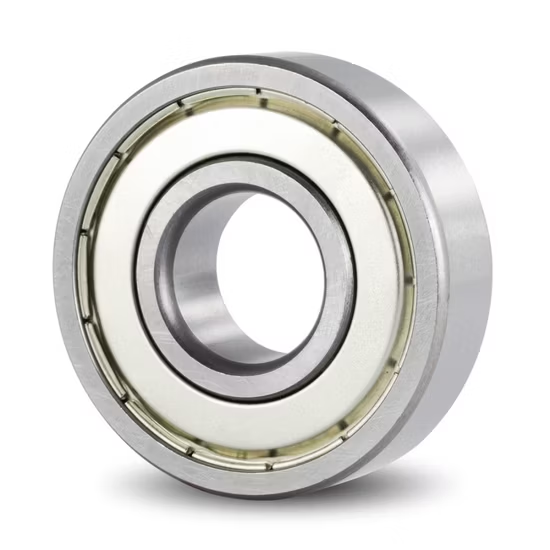


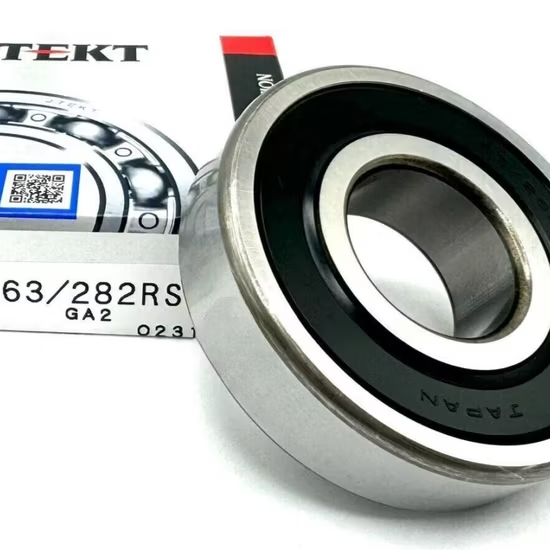

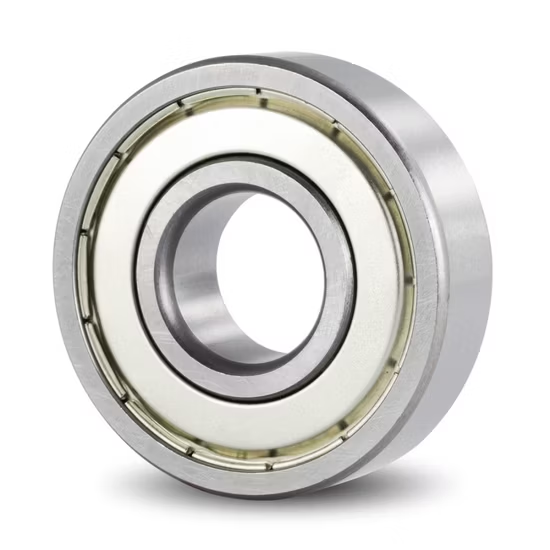
6012 Zz 2RS Deep Groove Ball Bearing P4 P5 P6 — Chrome steel construction ensures reliable performance under heavy radial loads. The 2RS double rubber contact seals provide maintenance-free contamination protection, while selectable P4, P5, and P6 precision classes accommodate diverse operational tolerances.
Original batch traceability — Every 6012 Zz 2RS deep groove ball bearing ships with verifiable lot documentation linking directly to the manufacturer's production facilities.
| Parameter | Value |
|---|---|
| Designation | 6012 Zz 2RS |
| Bearing Type | Deep Groove Ball Bearing |
| Material | Chrome Steel |
| Precision Class | P4, P5, P6 |
| Seal or Shield Type | Open, Rubber Seals, Iron Seals |
| Quality Level | Z1V1, Z2V2, Z3V3, Z4V4 |
| Certification | ISO |
| Customization | OEM Customization |
| Origin | Germany, Japan, Sweden, Malaysia, China |
Note: The 'Zz' suffix is an unverified designation requiring manufacturer catalog confirmation; standard double iron shields are typically denoted as '2Z' or 'ZZ'.
| Industry | Typical Applications |
|---|---|
| Electric Motors | High-speed rotor shafts and stator housing supports |
| Industrial Gearboxes | Input and output shaft support mechanisms |
| Material Handling | Drive pulley bearings and idler roller journals |
| Pumps | Impeller shaft supports and motor drive ends |
Base numbers often match while critical clearance, cage, and precision suffixes are overlooked, leading to thermal binding or premature field failure.
During my years running quality inspections in Qingdao, I saw countless 6012 bearings seize up simply because a standard CN clearance was installed where a C3 was required for thermal expansion. The inner ring expanded under high operating temperatures and locked the main shaft solid. A 6012 Zz 2RS deep groove ball bearing might look identical on the outside, but ignoring the exact tolerance band and seal configuration will ruin the equipment. We cross-reference every suffix to ensure the internal design matches the actual field conditions .
Sourcing the right 6012 Zz 2RS deep groove ball bearing requires looking past the basic dimensions. Our engineering team reviews your specific load, speed, and temperature parameters to verify that the selected precision class and seal type actually fit the application. This prevents the common procurement error where a base designation matches, but the internal configuration causes excessive friction or contamination ingress in sensitive electric motor environments.
Electric motors and industrial gearboxes generate significant heat, making the correct internal clearance vital to accommodate thermal expansion without binding. When operating in dusty or moist environments, the choice between rubber contact seals and iron shields dictates the balance between friction heat and contamination protection. Selecting the wrong seal type for the operating temperature rapidly degrades the lubricant, leading to premature wear .
The chrome steel construction provides the necessary hardness for standard radial loads, while the selectable P4, P5, or P6 precision classes allow buyers to match specific operational tolerances for high-speed spindles or general gearboxes. The Z1V1 through Z4V4 quality levels strictly control noise and vibration, which is critical for household appliances and precision motors. While 2RS denotes double rubber contact seals for maximum contamination exclusion, buyers must verify if their specific OEM manual requires non-contact iron shields to reduce high-speed friction.
Installing a bearing without verifying the exact precision and clearance requirements leads directly to unplanned downtime and catastrophic damage to adjacent shaft components. When a P0 grade is mistakenly used in a precision spindle application requiring P4, the resulting vibration accelerates fatigue across the entire drive train. These specification errors void equipment warranties and trigger expensive emergency repairs, far exceeding the initial component savings .
Sourcing from our authorized channels ensures full batch and lot traceability for every order, eliminating the risk of counterfeit parts with soft inner rings. We perform cross-reference alignment checking the base number, seal type, and precision suffixes simultaneously, which is crucial when the 'Zz' shield designation requires verification against standard '2Z' catalogs. Our application-based selection review covers load and temperature conditions to prevent thermal binding, backed by comprehensive pre-shipment dimensional inspections.
Share your exact radial and axial loads, operating speeds, and ambient temperatures so our technical team can verify the L10 life and clearance requirements. If you are replacing an existing unit, provide the OEM equipment number or the exact nameplate data so we can perform a precise cross-reference check. This ensures the seal type and precision class perfectly align with your machinery's operational demands.
Q: How do I correctly align clearance and precision suffixes during cross-referencing?
A: Base numbers are not enough. You must verify the exact clearance class for thermal expansion and the precision grade for vibration control. We cross-reference the full designation, including seal types and quality levels, against the OEM equipment manual to ensure the internal design matches your specific operational tolerances and prevents thermal binding in the field.
Q: What are the practical differences between P4, P5, and P6 precision classes?
A: These classes define the dimensional and running accuracy of the bearing. P6 is standard for general industrial gearboxes, while P5 and P4 offer progressively tighter tolerances required for high-speed electric motors and precision spindles. Selecting the correct class minimizes vibration, reduces noise, and ensures the shaft runs true under high rotational speeds.
Q: How do I choose between rubber seals and iron shields for my application?
A: Rubber contact seals provide superior protection against dust and moisture but generate slightly more friction heat. Iron shields offer non-contact protection, making them better suited for high-speed applications where minimizing friction and heat buildup is critical. We review your operating temperature and contamination levels to recommend the optimal configuration.
Q: How can I verify the authenticity of mixed-origin bearing batches?
A: We provide full batch traceability and origin documentation for every shipment. For specific branded batches, you can use the manufacturer's official app to scan the QR code on the packaging. This confirms the metallurgical origin and ensures you are receiving genuine components rather than counterfeits with cloned packaging and substandard steel.
Our 5-step process ensures every order is engineered, validated, and supported for optimal performance.
Technical needs assessment
Custom specifications
Free samples for $50k+
Pre-shipment inspection
On-site & predictive
Our certified engineers respond within 24 hours with detailed technical specifications, pricing, and lead time information.