01
Consultation
Technical needs assessment

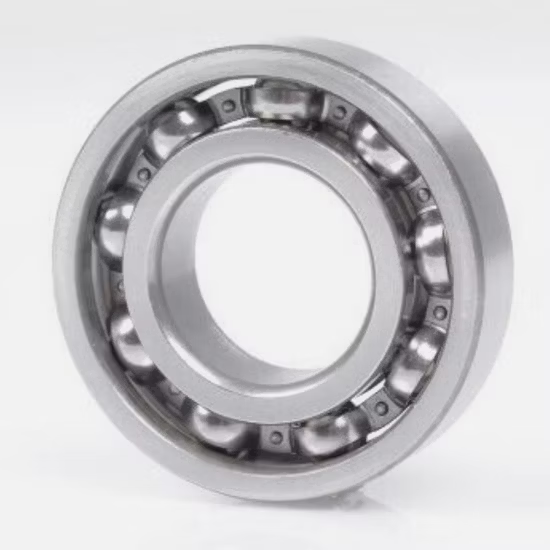
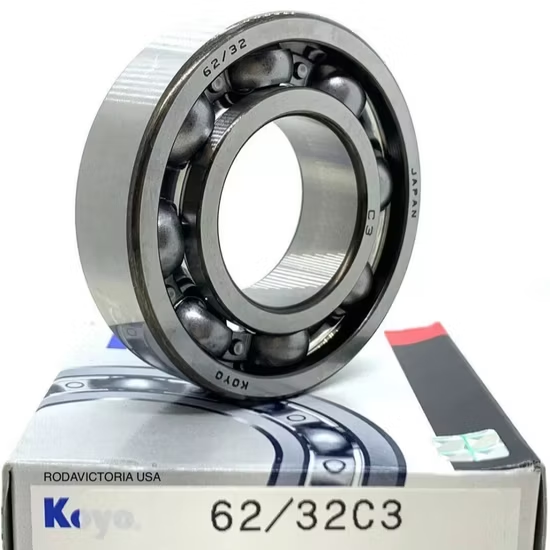

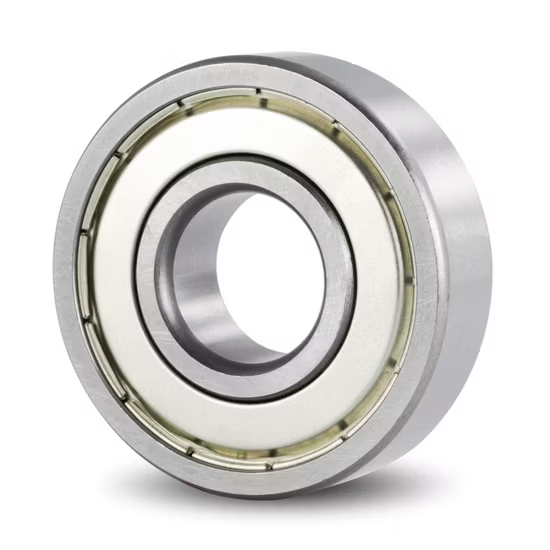

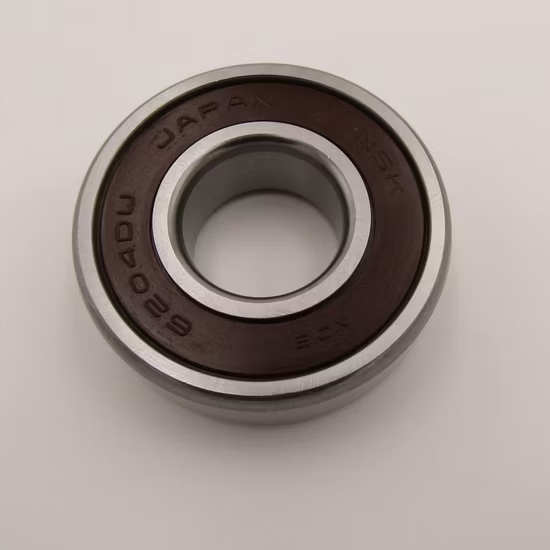
Ceiling Fan Deep Groove Ball Bearing for Continuous-Duty Motors — engineered for low-noise household and HVAC applications.
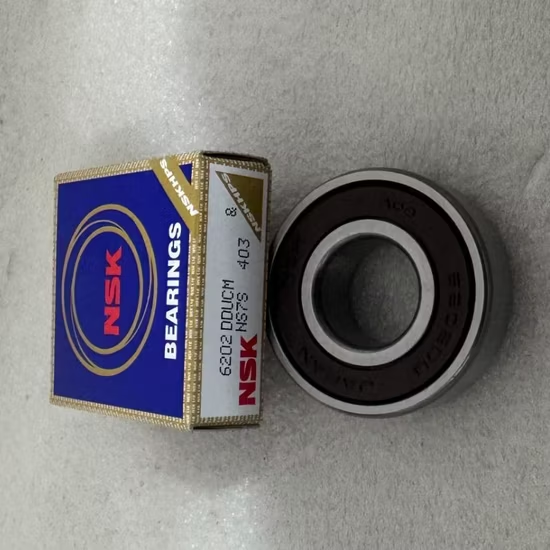
Traceable QR Verification — Scan official brand apps to confirm batch authenticity for every ceiling fan deep groove ball bearing before installation.
| Parameter | Value |
|---|---|
| Product Type | Deep Groove Ball Bearing |
| Bearing Style | Open, Rubber Seals, Iron Seals |
| Quality Level | Z1V1, Z2V2, Z3V3, Z4V4 |
| Origin | Germany, Japan, Sweden, Malaysia, China |
| HS Code | 848210 |
| Industry | Typical Applications |
|---|---|
| Household Appliances | Ceiling fan motor shafts, exhaust fan rotors |
| HVAC Equipment | Blower wheel assemblies, ventilation fan drives |
| Small Industrial Machinery | Light-duty conveyor rollers, small pump impellers |
Thermal binding destroys continuous-duty motors when internal clearances fail to match operating temperatures.
I have seen countless 6000 series deep groove ball bearings seize inside electric motors because the internal clearance was ignored during procurement. A standard CN clearance bearing installed in a ceiling fan motor will expand and bind as the housing heats up during continuous summer operation, leading to catastrophic shaft lockup. Sourcing from a reliable ceiling fan deep groove ball bearing supplier ensures the clearance class and cage design are strictly matched to the thermal profile of the application, preventing these preventable field failures .
Selecting the right ceiling fan deep groove ball bearing supplier involves looking far beyond the basic 6000 series designation. The internal geometry, seal friction, and vibration grading must align perfectly with the continuous rotational demands of household and commercial electric motors. We review the specific load and speed parameters of your equipment to ensure the supplied components deliver quiet, reliable operation without premature degradation.
Electric motors in ceiling fans and HVAC systems operate under constant radial loads while generating significant internal heat. If the internal clearance is too tight, thermal expansion eliminates the operational gap, causing the rolling elements to skid and generate excessive friction. Furthermore, dust accumulation in residential or commercial environments demands appropriate sealing; rubber seals provide excellent contamination exclusion but introduce higher friction, whereas iron shields offer lower friction for high-speed applications with lighter dust exposure .
While standard bearing steel serves most general-purpose electric motors, alternative materials are available for specialized environments. Components can be sourced in stainless steel variants for applications exposed to high humidity or mild corrosive elements, or ceramic hybrid options for situations requiring electrical insulation to prevent bearing fluting from stray motor currents. Additionally, selecting the appropriate quality level, ranging from Z1V1 to Z4V4, ensures that the noise and vibration thresholds strictly align with the acoustic requirements of residential ceiling fans or precision small machinery.
Overlooking critical suffixes during procurement inevitably leads to unplanned downtime and premature failure in continuous-duty appliances. Installing an open bearing in a dusty ceiling fan cavity results in rapid raceway abrasion, while forcing a tight-clearance component into a hot motor housing causes immediate thermal seizure. These misalignments void equipment warranties and trigger costly field replacements, highlighting the necessity of precise specification matching as outlined in ISO 281 life calculation frameworks .
Our authorized multi-brand coverage allows you to consolidate mixed-brand requirements for ceiling fan motors into a single, fully traceable order. We strictly verify cross-references to ensure the clearance class and seal type match your exact equipment needs, preventing the common error of substituting a base number while ignoring critical suffixes. Every batch features complete traceability to the manufacturer, supported by QR verification through official brand applications to eliminate the risk of soft inner rings and cloned codes. Our engineering team also provides application-based selection reviews to confirm that the chosen components can withstand the specific thermal and speed profiles of your electric motors.
To ensure precise component matching for your electric motor assemblies, please provide the specific equipment model, available mounting space, and continuous operating temperature ranges. Detailing the environmental exposure, such as high humidity or heavy dust, allows our engineering team to recommend the optimal seal type and material variant. Submitting these application parameters enables us to perform a comprehensive technical review and deliver a fully traceable, application-matched solution.
Q: How do I determine the exact bearing designation and suffix for replacing ceiling fan motors?
A: Provide the original equipment manufacturer part number, the physical dimensions of the old component, and the motor's continuous operating temperature. Our engineering team will cross-reference these parameters to identify the precise base designation, ensuring the internal clearance and seal suffixes perfectly match the thermal expansion and contamination requirements of your specific ceiling fan application.
Q: What are the common failure modes of deep groove ball bearings in continuous-duty household appliances?
A: The most frequent failure modes include thermal binding caused by incorrect internal clearance, raceway abrasion from dust ingress in open bearings, and electrical fluting from stray motor currents. These issues typically manifest as excessive vibration, abnormal noise, or complete shaft seizure, which can be prevented by selecting the correct seal type, clearance class, and insulated material options during the initial procurement phase.
Q: How should I choose between rubber seals and iron shields based on operating conditions?
A: Rubber seals offer superior protection against dust and moisture but generate higher friction, making them ideal for lower-speed or heavily contaminated environments. Iron shields provide non-contact protection with minimal friction, making them the preferred choice for high-speed ceiling fan motors where reducing operational heat and maintaining acoustic quietness are the primary engineering priorities.
Q: Why must internal clearance be strictly matched to the motor's thermal expansion characteristics?
A: As an electric motor operates, the shaft and housing heat up and expand at different rates. If a standard CN clearance bearing is used in a high-temperature application, this thermal expansion eliminates the internal operational gap, causing the rolling elements to skid and bind. Selecting a C3 or C4 clearance provides the necessary thermal allowance to maintain smooth rotation and prevent catastrophic motor lockup.
Our 5-step process ensures every order is engineered, validated, and supported for optimal performance.
Technical needs assessment
Custom specifications
Free samples for $50k+
Pre-shipment inspection
On-site & predictive
Our certified engineers respond within 24 hours with detailed technical specifications, pricing, and lead time information.