01
Consultation
Technical needs assessment


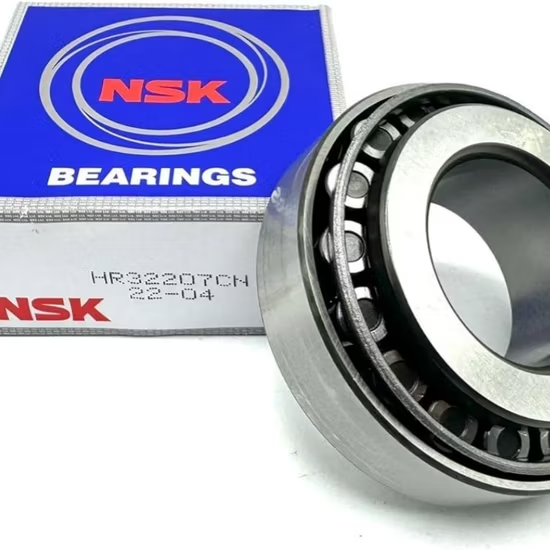
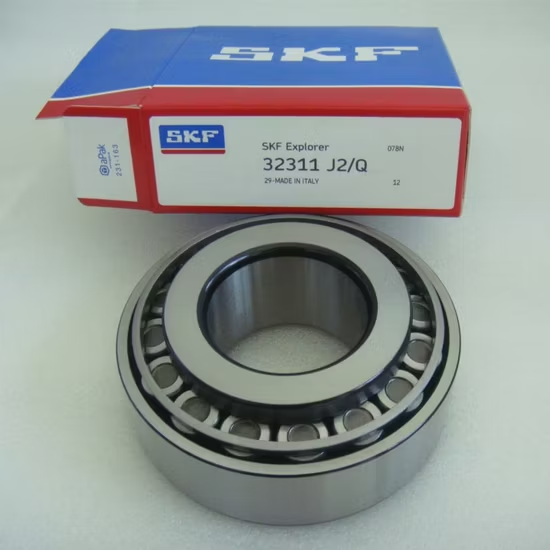
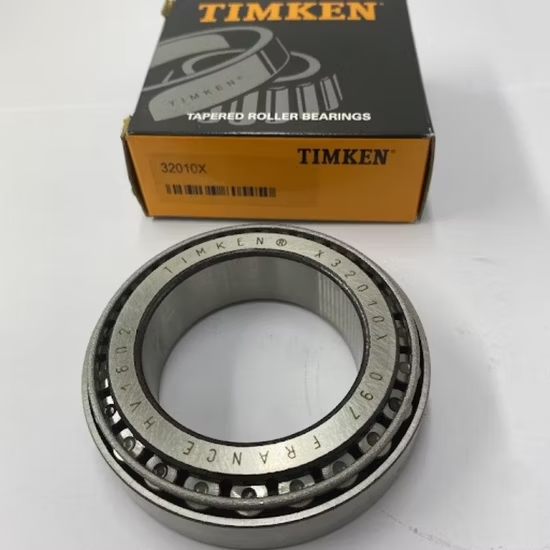
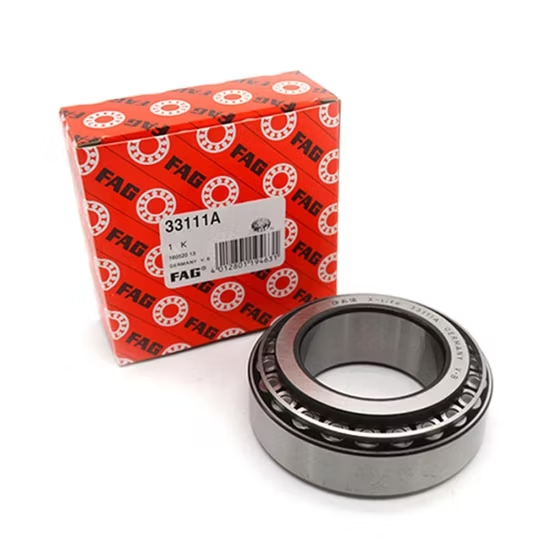
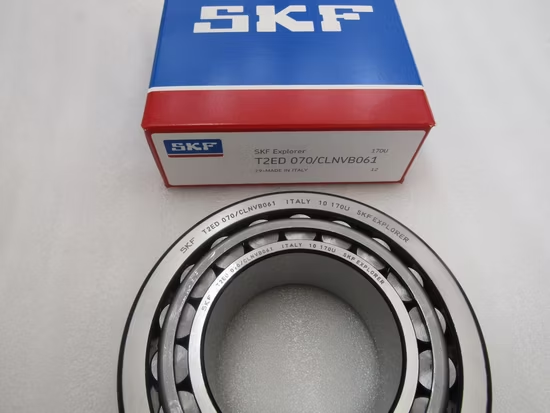
32222 32224 32225 32226 Tapered Roller Bearings P4 — engineered with GCr15 steel to handle combined radial and axial loads in industrial gearboxes and heavy vehicle axles.
Cross-Reference Triad Alignment — We validate base designations, internal clearance classes, and precision ratings simultaneously to eliminate field mismatches before shipment.
| Parameter | Value |
|---|---|
| Designation | 32222 32224 32225 32226 |
| Bearing Type | Tapered Roller Bearing |
| Number of Rows | Single Row |
| Precision Class | P4 |
| Material | GCr15 Bearing Steel |
| Cage Material Options | Nylon / Brass / Pressed Steel |
| Origin Options | Germany / Japan / Sweden / Malaysia / China |
| HS Code | 8482500090 |
| Industry | Typical Applications |
|---|---|
| Heavy Automotive | Truck axle wheel hubs and differential pinion shafts |
| Industrial Power Transmission | Heavy-duty gearbox output shafts and reduction stages |
| Marine Engineering | Propulsion drive shafts and thruster support mechanisms |
| Material Processing | Conveyor drive pulleys and crusher eccentric shafts |
Matching the basic designation is only the first step; ignoring internal geometry and clearance tolerances guarantees premature seizure.
I have inspected numerous failed assemblies in desert mining operations where procurement teams ordered parts based solely on the base number. In one specific case, a standard CN clearance unit was installed in a high-heat gearbox application. The lack of thermal expansion allowance caused the rollers to bind against the raceway, leading to catastrophic cage collapse within weeks . When sourcing a 32222 32224 32225 32226 tapered roller bearing, assuming internal designs are identical across all manufacturers is a critical error that results in unplanned downtime and severe equipment damage.
Selecting the correct internal configuration ensures the assembly survives combined radial and axial loads without structural fatigue. Our technical review process goes beyond basic part numbers to confirm that the cage material and roller profiling align with the specific shock loads present in truck axles and industrial gearboxes. This precise alignment prevents micro-pitting and ensures the 32222 32224 32225 32226 tapered roller bearing maintains its load distribution under extreme operational stress.
Heavy machinery operating in harsh environments faces severe thermal gradients and continuous shock loading. If the selected clearance class does not account for operational heat generation, the internal preload increases until the lubricant film breaks down . Furthermore, high-vibration environments demand robust cage designs; a lightweight polymer cage might fail where a machined brass cage would endure. Proper selection must also consider sealing arrangements to keep abrasive dust out of the roller path without introducing excessive friction heat.
The P4 precision rating specified for these units ensures tighter dimensional and running accuracy, which is critical for minimizing vibration in high-speed gearbox applications. The GCr15 bearing steel provides the necessary core toughness and surface hardness to withstand heavy contact stresses. Since the basic designations do not dictate a single cage type, buyers must choose between nylon, brass, or pressed steel options based on the specific speed and vibration profile of the machinery. This material and precision combination ensures reliable performance across diverse industrial drivetrains.
Procuring a unit based only on the basic number often leads to installing a component with incorrect internal clearance or incompatible cage materials. This mismatch causes rapid thermal degradation, accelerated raceway wear, and eventual seizure, voiding equipment warranties and halting production lines. According to failure analysis frameworks, a significant share of premature bearing failures stems directly from these specification oversights rather than manufacturing defects . The resulting unplanned downtime and secondary damage to shafts and housings far exceed the initial component cost.
Sourcing these specific designations requires more than just finding available stock; it demands rigorous technical validation. We provide comprehensive cross-referencing that verifies the base number alongside the required precision class and internal clearance, ensuring the replacement matches the OEM engineering intent. Our authorized distribution network guarantees batch traceability for every unit, eliminating the risk of counterfeit products with soft inner rings. Furthermore, we supply full material test reports and dimensional inspection documentation, giving maintenance teams absolute confidence in the assembly's integrity before installation begins.
To ensure optimal performance, provide our engineering team with your specific radial and axial load profiles, operating speeds, and thermal conditions. This data allows us to verify the L10 life calculation and confirm the correct internal clearance class for your application. If you are replacing an existing component, share the OEM equipment number so we can perform a comprehensive cross-reference check, ensuring the selected unit perfectly matches your machinery's design requirements.
Q: Why is cross-referencing more than just the base number necessary?
A: Base numbers only define the outer dimensions. Internal clearance, cage material, and precision class dictate how the unit handles heat and load. Overlooking these parameters leads to thermal binding or cage failure. We verify all three elements to ensure the replacement matches the original equipment engineering specifications perfectly.
Q: How does the P4 precision rating benefit industrial gearboxes?
A: P4 precision provides tighter dimensional and running accuracy compared to standard grades. This reduces vibration and heat generation at higher speeds, which is critical for maintaining lubricant film integrity and extending the operational life of heavy-duty gearbox output shafts and reduction stages.
Q: How can I verify the authenticity of the supplied units?
A: Every unit we supply features batch traceability and can be verified using the manufacturer's official mobile app via QR codes. We also provide Certificates of Conformity and material test reports, ensuring you receive genuine components with verified GCr15 steel chemistry and correct heat treatment.
Q: Which cage material should I select for high-vibration environments?
A: For applications with severe shock loads and high vibration, such as crusher eccentric shafts or heavy truck axles, a machined brass cage is typically recommended. It offers superior structural integrity and wear resistance compared to polymer alternatives, ensuring reliable roller guidance under extreme mechanical stress.
Our 5-step process ensures every order is engineered, validated, and supported for optimal performance.
Technical needs assessment
Custom specifications
Free samples for $50k+
Pre-shipment inspection
On-site & predictive
Our certified engineers respond within 24 hours with detailed technical specifications, pricing, and lead time information.