01
Consultation
Technical needs assessment


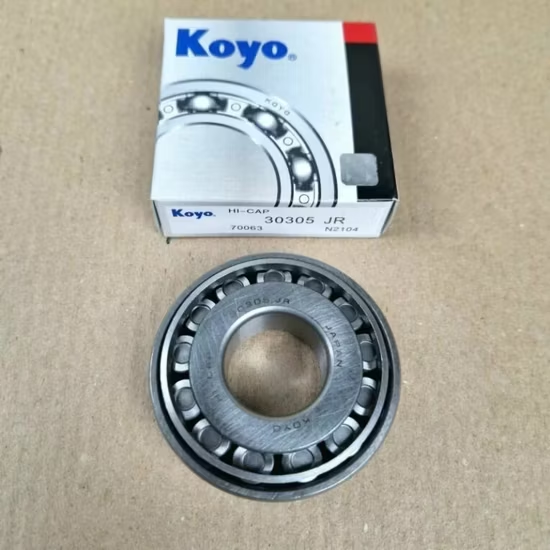
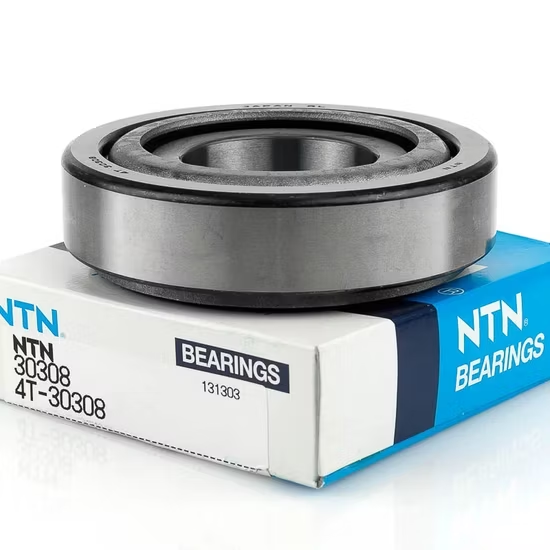
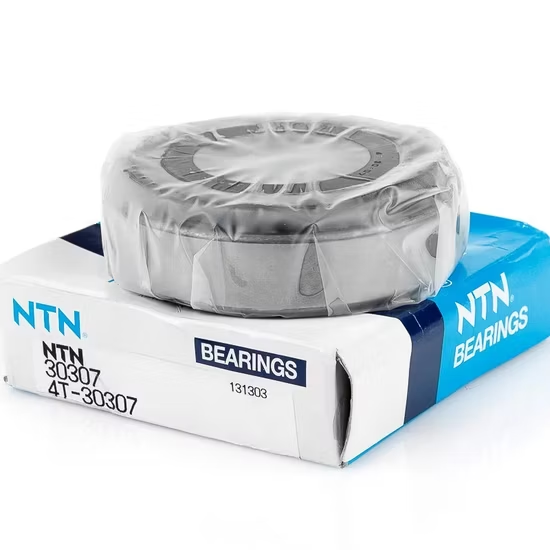

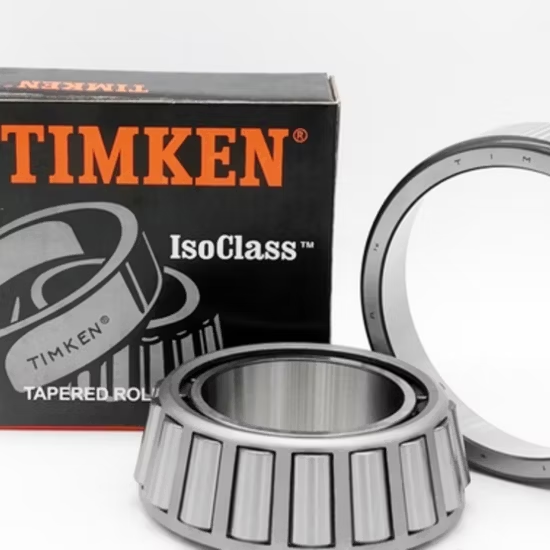
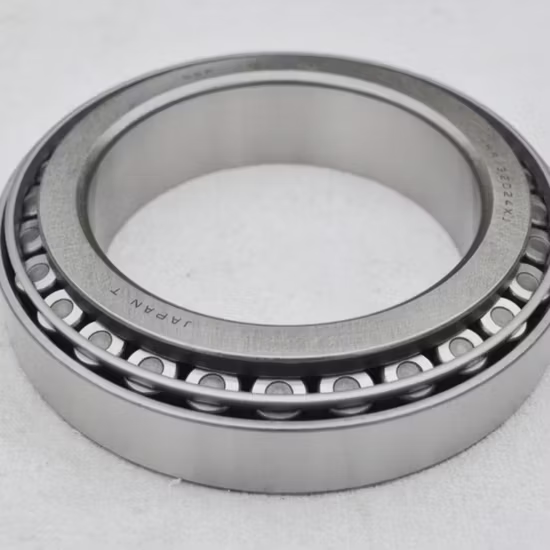
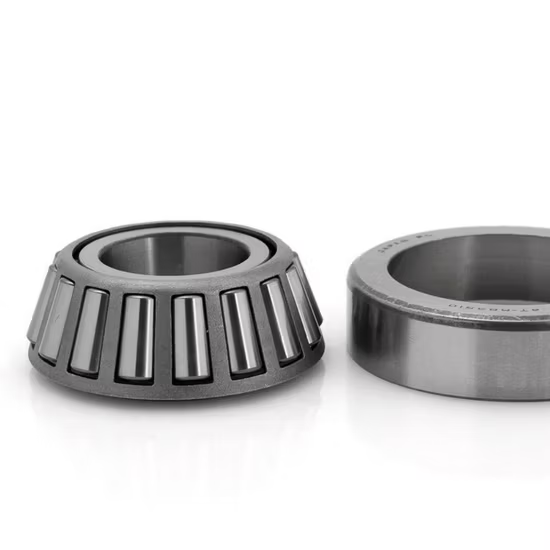
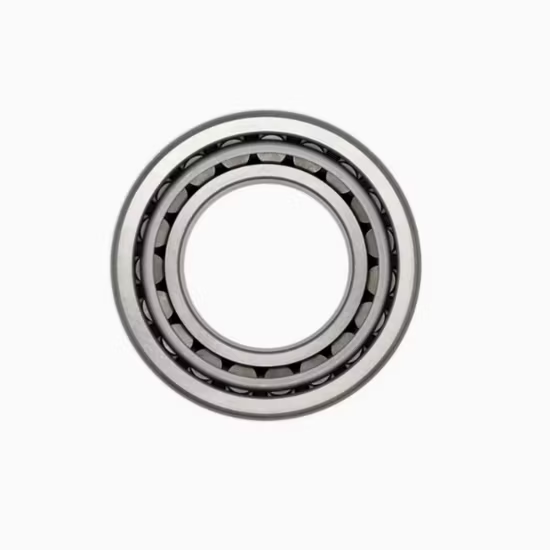
30308D Double Row Tapered Roller Bearing P4 — engineered to handle combined radial and axial loads in industrial gearboxes, truck axles, and heavy manufacturing plants. The P4 precision class guarantees tighter dimensional and running accuracy for demanding operations.
Factory Batch Traceability — Every 30308D double row tapered roller bearing ships with verifiable lot numbers linked directly to the original manufacturing run.
| Parameter | Value |
|---|---|
| Designation | 30308D |
| Bearing Type | Double Row Tapered Roller Bearing |
| Precision Class | P4 |
| Material | GCr15 bearing steel |
| Cage Material | Nylon / Brass / Iron options |
| Number of Rows | Double Row |
Note: The "D" suffix is unverified and requires manufacturer catalog confirmation for exact internal design or pairing specifics.
| Industry | Typical Applications |
|---|---|
| Heavy Machinery Equipment | Crushing and screening equipment drive shafts |
| Industrial Gearboxes | High-torque reduction gear intermediate shafts |
| Automotive & Heavy Vehicles | Truck axle differentials and wheel hub assemblies |
| Manufacturing Plants | Conveyor drive rollers in bulk material handling |
When sourcing a 30308D double row tapered roller bearing, relying solely on the base designation often leads to catastrophic thermal binding in the field.
Internal geometry and clearance dictate survival under heavy radial and axial loads, not just the outer dimensions.
In my early days handling shipments to copper mines in Chile, a batch of standard units seized because the internal clearance wasn't verified for high-temperature expansion. A similar oversight with this double row configuration means the rollers will skew and the cage will fracture under combined loads. We cross-reference beyond the basic number to ensure the internal design matches the actual operating envelope .
Procurement engineers often face cross-reference errors that match the base number but overlook critical internal variations. Our technical review process ensures that every 30308D double row tapered roller bearing aligns with your specific load, speed, and temperature parameters. This prevents the devastating field failures that occur when internal design differs from what the equipment actually demands.
Heavy machinery environments subject these components to severe combined radial and axial forces alongside intense shock loading. Elevated operating temperatures significantly impact internal clearance, making the correct initial selection vital to prevent thermal binding during continuous duty cycles. Furthermore, heavy contamination from dust and particulate matter demands appropriate sealing solutions to protect the rolling elements. Proper lubrication intervals and the correct cage material selection are equally critical to withstand the vibration and heat generated under peak loads .
Achieving P4 precision ensures tighter dimensional and running accuracy, which is essential for minimizing vibration in high-speed industrial gearboxes. The GCr15 high-carbon chromium bearing steel provides the necessary core hardness and fatigue resistance for demanding applications. Depending on the specific operating speed and temperature, the cage material options—nylon, brass, or iron—must be carefully matched to the application. For instance, brass cages offer superior durability under heavy vibration and shock loads, while nylon variants provide lower friction and quieter operation at higher speeds.
Overlooking a single suffix or misinterpreting the internal clearance class inevitably leads to unplanned downtime and catastrophic damage to adjacent gearbox components. When a bearing operates outside its designed thermal or mechanical limits, premature failure occurs long before the calculated L10 life is reached. This not only voids equipment warranties but also forces emergency procurement under extreme time pressure. Adhering to strict selection frameworks prevents these compounding operational losses .
We maintain authorized coverage across all major international brands, allowing you to consolidate mixed-brand requirements into a single, fully documented order. Our cross-referencing expertise specifically targets the exact internal clearance, cage material, and precision suffixes required for your machinery, rather than just matching the basic 30308 number. Every shipment includes batch traceability to the manufacturer, verified through official brand apps to eliminate the risk of counterfeit parts with soft inner rings. Additionally, our application-based selection review ensures the chosen configuration can withstand your specific load and temperature conditions.
To ensure exact specification alignment, please provide the radial and axial load values, operating speeds, and expected temperature ranges for your application. Sharing the OEM equipment number or existing housing dimensions allows our engineering team to perform a precise cross-reference check. This technical复核 guarantees that the internal geometry and clearance class perfectly match your operational demands before quotation.
Q: How do I verify the authenticity of the received bearings?
A: Every unit features a unique QR code that can be scanned using the official brand applications. This digital verification confirms the manufacturing origin, batch number, and authenticity, protecting your operation from counterfeit parts that often feature soft inner rings and cloned visual markers.
Q: Why is matching the exact suffix and clearance so critical?
A: A base number match does not guarantee the internal design fits your application. Incorrect clearance causes thermal binding at high temperatures, while the wrong cage material leads to rapid fatigue under shock loads. Exact alignment prevents these premature failures.
Q: What distinguishes P4 precision from standard classes?
A: P4 precision offers significantly tighter dimensional and running accuracy tolerances compared to standard P0 grades. This enhanced precision reduces vibration and noise, making it ideal for high-speed industrial gearboxes and applications requiring stable rotational accuracy.
Q: How do I choose the right cage material for my equipment?
A: The choice depends on your operating temperature, speed, and vibration levels. Brass cages handle heavy shock loads and vibration well, nylon cages reduce friction for higher speeds, and iron cages offer a balance for general heavy-duty applications.
Our 5-step process ensures every order is engineered, validated, and supported for optimal performance.
Technical needs assessment
Custom specifications
Free samples for $50k+
Pre-shipment inspection
On-site & predictive
Our certified engineers respond within 24 hours with detailed technical specifications, pricing, and lead time information.