01
Consultation
Technical needs assessment

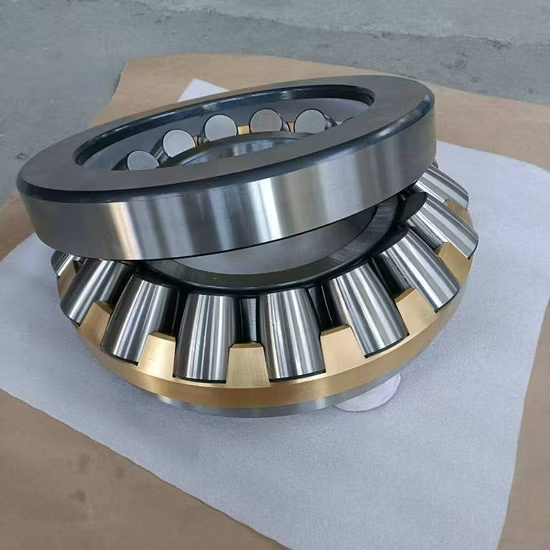
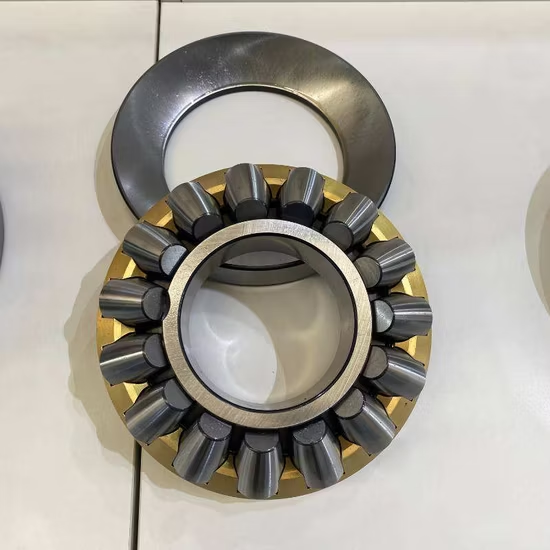
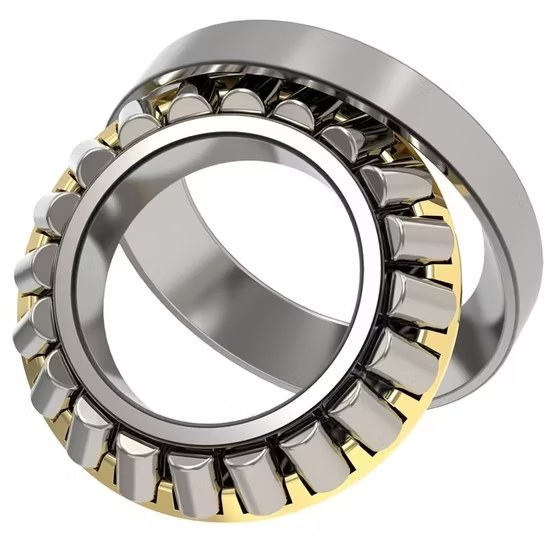
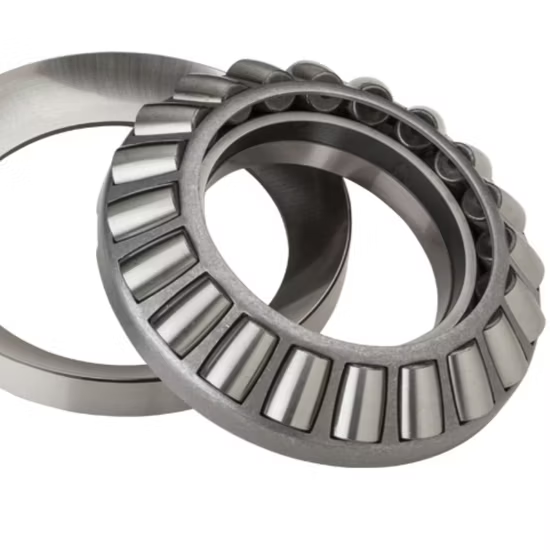

29430 29432 29434 29436 Spherical Roller Thrust Bearing — engineered for heavy axial loads with shaft misalignment tolerance in industrial gearboxes, mining crushers, and material handling systems.
Each shipment includes complete material test reports and dimensional inspection records for full compliance verification.
Cross-Reference Triad Alignment — We verify the base number, internal cage design, and clearance class simultaneously to prevent thermal binding in heavy-axial-load applications.
| Parameter | Value |
|---|---|
| Designation | 29430 29432 29434 29436 |
| Bearing Type | Spherical Roller Thrust Bearing |
| Origin | Germany / Japan / Sweden / Malaysia / China |
| HS Code | 8482500090 |
| Industry | Typical Applications |
|---|---|
| Industrial Gearboxes | Extruder screw thrust support |
| Mining and Crushing | Gyratory crusher main shaft |
| Marine Drives | Propeller shaft thrust blocks |
| Heavy-duty Material Handling | Bucket elevator head pulleys |
| Pulp and Paper | Refiner plug screw feeders |
Matching the base designation without verifying internal geometry is a primary cause of catastrophic cage failure.
Procurement teams often source replacements by matching the basic four-digit number, assuming dimensional interchangeability guarantees operational success. In heavy-axial-load environments, this approach overlooks critical internal design variations. A standard clearance installed where thermal expansion demands a C3 equivalent, or a pressed steel cage deployed in high-vibration crushing equipment, leads to rapid heat accumulation. The resulting thermal binding destroys the rolling elements and fractures the cage long before the raceways show fatigue .
Sourcing the correct 29430 29432 29434 29436 spherical roller thrust bearing requires looking past the outer dimensions to evaluate the internal load distribution. These units are engineered to accommodate immense axial forces alongside moderate radial loads, while simultaneously tolerating shaft misalignment. Our technical review process evaluates the specific load spectrum and operating temperature of your application to ensure the selected internal geometry and cage material can sustain the required low-friction operation without compromising structural integrity under peak stress.
In mining and marine environments, thrust bearings face relentless axial shock loads combined with severe shaft deflection. The spherical raceway design allows for self-alignment, but the internal clearance must be precisely matched to the operating temperature to prevent the rollers from skidding or binding as the shaft expands. High-vibration applications demand robust cage designs that maintain roller spacing under dynamic stress, while adequate lubrication flow is essential to carry away the friction heat generated by heavy thrust loads .
The low friction capability of these spherical thrust units relies heavily on the optimized contact angle between the asymmetrical rollers and the raceways. This geometry minimizes sliding friction at the roller ends, which is critical when sustaining continuous axial thrust. The cage material selection—typically machined brass for high-vibration and high-temperature stability, or pressed steel for standard duty—dictates the bearing's ability to guide the rollers smoothly. Ensuring the correct internal design variant prevents the microscopic sliding that generates excessive heat and accelerates lubricant degradation in heavy-duty gearboxes.
Deploying a replacement unit that matches the base number but lacks the correct internal design suffix leads to unplanned downtime and severe equipment damage. When thermal binding occurs due to improper clearance or cage failure from inadequate vibration resistance, the resulting seizure can destroy the adjacent shaft and housing. This cascading failure voids equipment warranties and forces emergency procurement under extreme time pressure, turning a standard maintenance interval into a costly production halt .
We eliminate the guesswork in multi-brand sourcing by validating the exact internal design, not just the outer dimensions. Our cross-reference checks ensure the replacement unit matches the original equipment manufacturer's required cage material and clearance class. Every shipment includes full batch traceability, allowing your maintenance team to verify the metallurgical properties and manufacturing origin. This rigorous alignment prevents the subtle mismatches that cause premature field failures, ensuring your heavy-duty equipment operates reliably under peak axial loads.
To ensure the selected thrust unit perfectly matches your operational demands, please provide the continuous and peak axial loads, operating speed, and expected thermal gradient. Supplying the original equipment manufacturer's part number or the specific application parameters allows our engineering team to conduct a precise cross-reference and L10 life calculation, ensuring the internal geometry and cage material are optimized for your specific heavy-duty environment.
Q: How do I verify the authenticity of multi-brand spherical thrust bearings?
A: We supply units with full batch traceability and country-of-origin documentation. You can verify authenticity directly on the shop floor using the manufacturer's official mobile app to scan the QR codes on the packaging, ensuring the internal geometry and materials match the original specifications.
Q: What are the main cross-reference pitfalls for 294-series thrust bearings?
A: The most common error is matching the base designation while ignoring internal design variations. Overlooking the specific cage material or clearance class required for your operating temperature and vibration levels leads to thermal binding and premature cage fracture under heavy axial loads.
Q: How does shaft misalignment affect spherical thrust bearing selection?
A: Unlike standard flat thrust bearings, spherical roller thrust designs accommodate moderate shaft misalignment through their self-aligning housing washer. However, the internal clearance must still be correctly specified to handle the combined effects of misalignment and thermal expansion without causing roller skidding.
Q: What documentation is needed to prove country-of-origin for compliance?
A: We provide a comprehensive documentation package that includes a Certificate of Conformity and specific country-of-origin declarations. This ensures full transparency for customs clearance and internal compliance audits, verifying that the units were manufactured in the declared facilities.
Q: How do I select the right cage material for mining applications?
A: High-vibration and high-temperature mining environments typically require machined brass cages for superior structural stability and roller guidance. We review your specific load and vibration profiles to recommend the optimal cage design, preventing fatigue failures common in standard pressed steel alternatives.
Our 5-step process ensures every order is engineered, validated, and supported for optimal performance.
Technical needs assessment
Custom specifications
Free samples for $50k+
Pre-shipment inspection
On-site & predictive
Our certified engineers respond within 24 hours with detailed technical specifications, pricing, and lead time information.