01
Consultation
Technical needs assessment

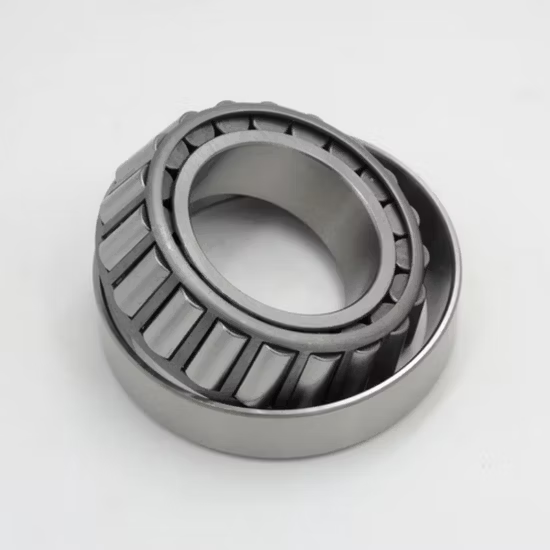
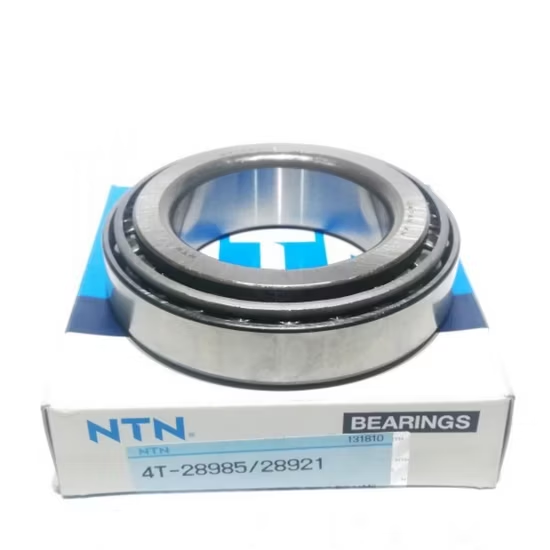
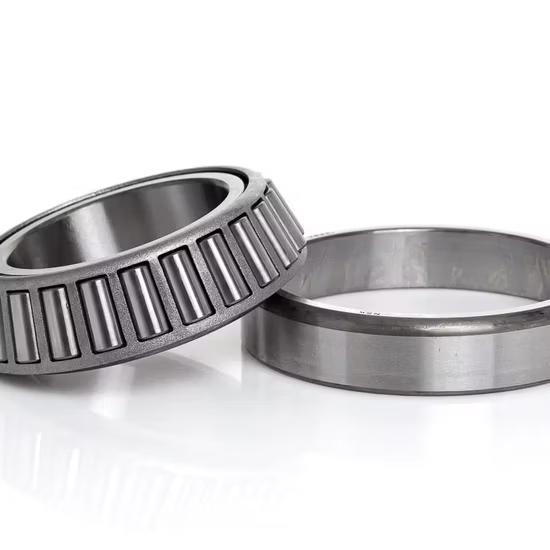
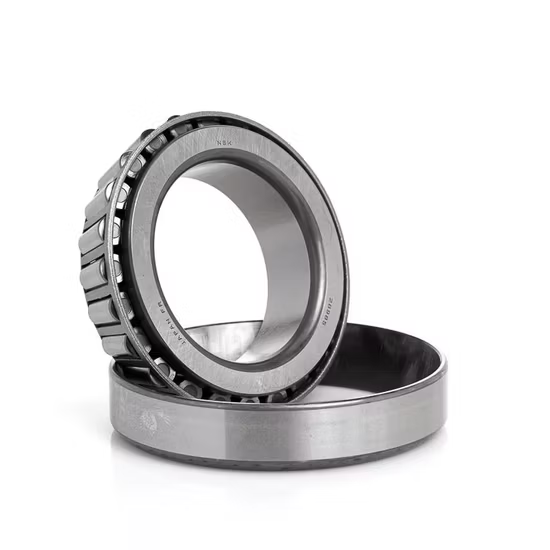
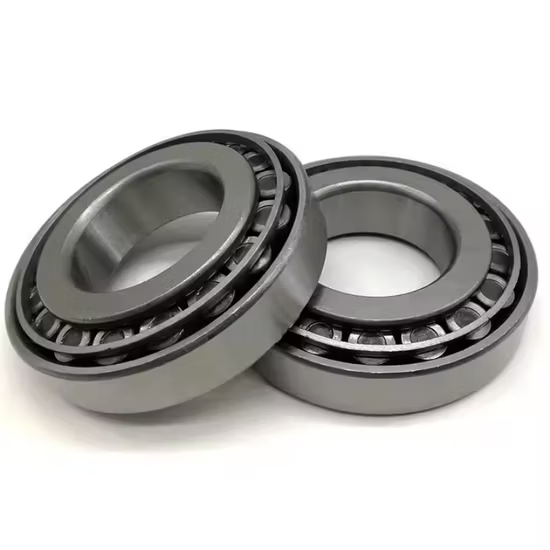
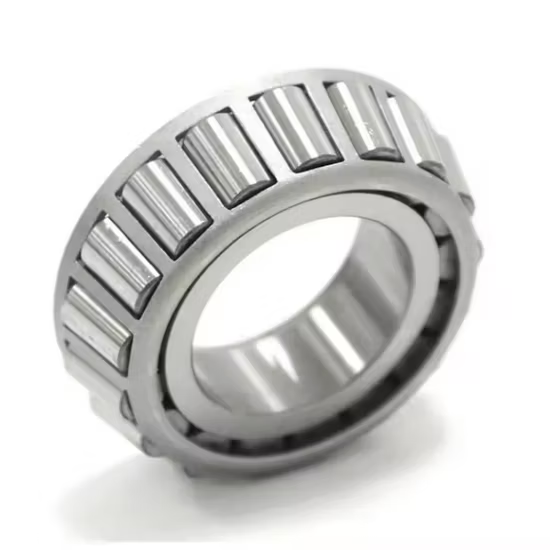
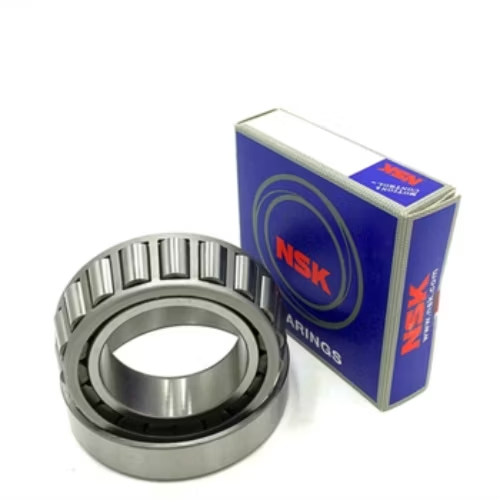
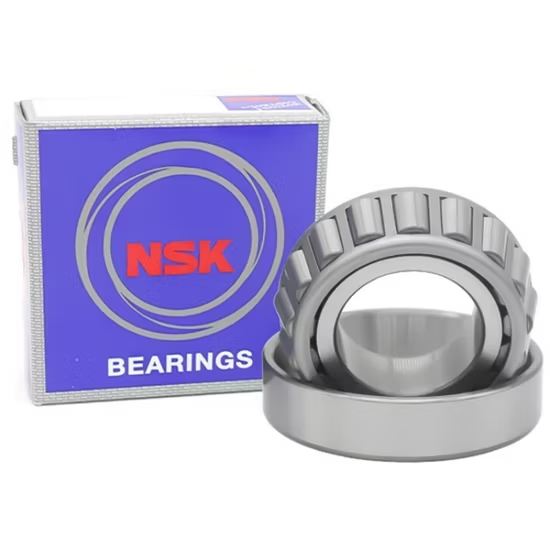
28985/28920 Inch Tapered Roller Bearing — P4 precision and GCr15 bearing steel construction deliver high hardness and running accuracy for automotive wheel hubs.
Cross-reference alignment verified — Base number, internal clearance, and cage material are matched simultaneously to prevent thermal binding in heavy-duty wheel hubs.
| Parameter | Value |
|---|---|
| Designation | 28985/28920 |
| Bearing Type | Tapered Roller Bearing |
| Precision Class | P4 |
| Cage Material | Available in nylon, brass, or pressed steel variants |
| Material | GCr15 bearing steel |
| Origin | Germany, Japan, Sweden, Malaysia, or China |
| Industry | Typical Applications |
|---|---|
| Automotive & Heavy Vehicles | Commercial truck wheel hubs, trailer axles, steering knuckles |
| Material Handling | Forklift mast rollers, heavy-duty conveyor drive axles |
| General Machinery | Agricultural equipment wheel ends, construction vehicle final drives |
A matching designation does not guarantee a matching internal geometry.
Sourcing a 28985/28920 tapered roller bearing based solely on the base number often leads to catastrophic field failures when internal clearances and cage materials are overlooked. During extensive aftermarket support in Latin America, I frequently investigated seized wheel hubs where standard CN clearance was mistakenly installed instead of the required C3. Under heavy loads and high ambient temperatures, the lack of thermal expansion allowance caused the rollers to bind, destroying the raceways within days. Correcting this requires verifying the exact internal design and clearance class alongside the basic inch dimensions to ensure reliable operation .
Deploying the correct 28985/28920 tapered roller bearing in commercial vehicle wheel hubs demands strict adherence to OEM clearance specifications. Our technical team reviews your application parameters to confirm that the selected internal geometry can accommodate the thermal growth generated by continuous highway speeds and heavy payload braking. This proactive selection process prevents the premature cage failures commonly seen when generic replacements ignore critical suffix requirements.
Wheel hub environments subject bearings to severe combined loading, where radial vehicle weight intersects with axial forces during cornering. Impact loads from uneven terrain require a cage design that maintains roller alignment without fracturing under sudden stress spikes. Furthermore, exposure to road salt, mud, and high-pressure washdowns demands robust sealing solutions at the hub level to prevent lubricant washout and abrasive particle ingress, which rapidly degrade the raceway surface finish .
Achieving P4 precision in an inch-series tapered roller bearing ensures tighter dimensional tolerances, which translates to reduced vibration and smoother rotation at the wheel end. The GCr15 bearing steel construction provides the necessary core hardness to withstand continuous rolling contact stress. Depending on the specific operating temperature and speed profile of your fleet, the cage material can be specified from available nylon, brass, or pressed steel variants. Selecting the appropriate cage option is critical, as high-temperature braking environments may exceed the thermal limits of polymer cages, necessitating a brass or steel alternative.
Installing a bearing with mismatched internal clearances inevitably leads to unplanned downtime and premature failure. When thermal expansion is restricted by an overly tight clearance, the resulting friction generates excessive heat, eventually causing catastrophic damage to the rollers and cup. Such failures not only strand vehicles but also result in warranty voidance for the repair facility. Aligning the exact internal design with the equipment manufacturer's original specifications is the only way to secure long-term reliability .
Mixed-brand procurement often results in cross-reference errors where only the base inch dimensions are matched. We verify the exact internal clearance and cage material to ensure the replacement behaves identically to the original equipment. Every batch is traced back to the manufacturer's production facilities, eliminating the risk of counterfeit components with soft inner rings that fail under heavy impact. By providing comprehensive application-based selection reviews, we ensure the bearing geometry perfectly aligns with your specific load and temperature conditions.
To ensure the selected bearing matches your exact wheel hub requirements, please provide the radial and axial load profiles, operating speeds, and typical temperature ranges. Sharing the original OEM equipment number or the complete designation from the existing hub allows our engineering team to perform a precise cross-reference and L10 life calculation. This technical data enables us to recommend the optimal cage material and clearance class for your specific fleet or machinery application.
Q: How can I verify the authenticity of the 28985/28920 bearings upon delivery?
A: Each bearing set features traceable markings that can be scanned using the manufacturer's official mobile application. This QR verification process confirms the original production batch and exposes counterfeit components with cloned codes or soft inner rings, ensuring you receive genuine GCr15 steel products that meet rigorous safety standards for heavy-duty wheel hub applications.
Q: Why is it critical to match the clearance and cage material during cross-referencing?
A: Matching only the base inch dimensions often results in installing a standard clearance where a C3 is required for thermal expansion. This oversight causes severe thermal binding under heavy loads. Verifying the cage material is equally vital, as high-temperature braking environments will rapidly degrade polymer cages, making precise cross-referencing essential to prevent catastrophic wheel hub seizures.
Q: What are the selection boundaries between nylon, brass, and steel cages?
A: Nylon cages offer low friction and quiet operation but have strict upper temperature limits. Brass cages provide excellent durability and heat dissipation, making them ideal for heavy-load, high-temperature wheel hubs. Pressed steel cages offer a robust, cost-effective solution for standard applications. The final selection depends on the specific braking heat and shock load profiles of your equipment.
Q: How should inch tapered roller bearings be mounted to prevent thermal binding?
A: Proper mounting requires meticulous cleaning of the hub and spindle, followed by precise axial end-play adjustment. Setting the correct end-play ensures the bearing operates with adequate internal clearance once the assembly reaches operating temperature. Failing to account for thermal expansion during the adjustment phase will restrict roller movement, generating excessive friction and leading to rapid, catastrophic failure.
Our 5-step process ensures every order is engineered, validated, and supported for optimal performance.
Technical needs assessment
Custom specifications
Free samples for $50k+
Pre-shipment inspection
On-site & predictive
Our certified engineers respond within 24 hours with detailed technical specifications, pricing, and lead time information.