01
Consultation
Technical needs assessment


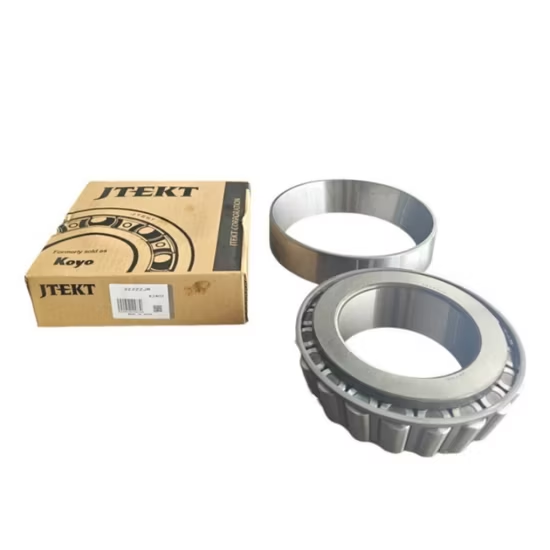
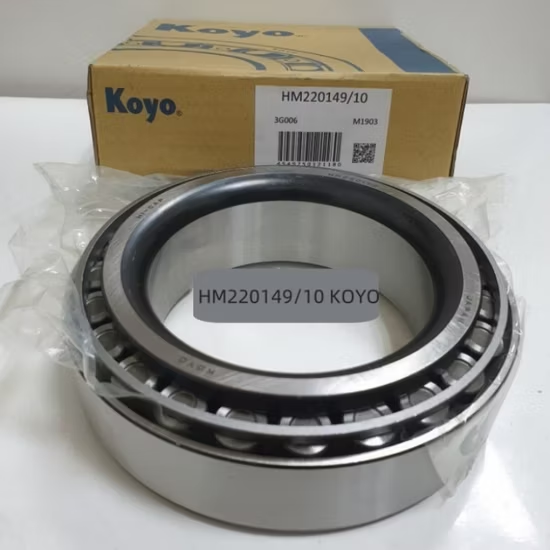
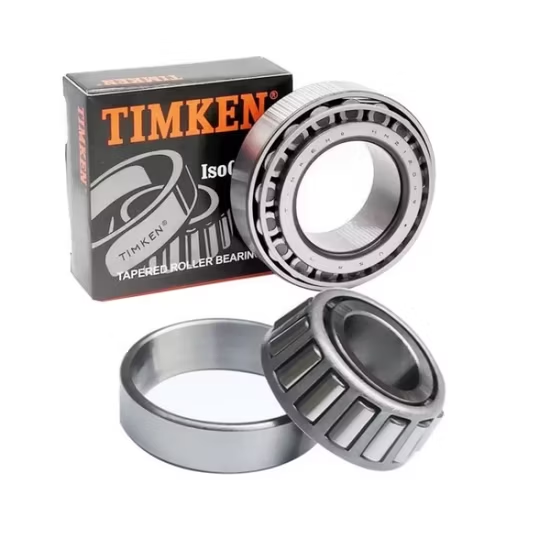
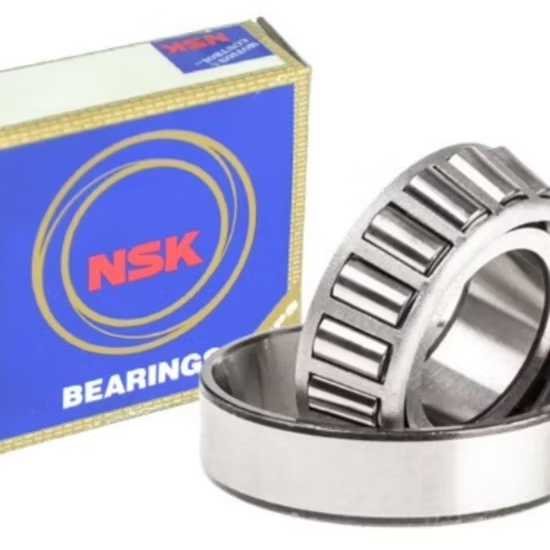

2789R/2735X Inch Tapered Roller Bearing P4 — constructed from GCr15 bearing steel to handle complex radial and axial loads.
Mixed-Brand Order Consolidation — Procure the 2789R/2735X alongside other inch-series and metric components in a single authorized shipment, eliminating the need to coordinate with multiple regional vendors.
| Parameter | Value |
|---|---|
| Designation | 2789R/2735X |
| Bearing Type | Tapered Roller Bearing |
| Precision Class | P4 |
| Material | GCr15 Bearing Steel |
| Cage Material | Available in nylon, brass, or iron options |
| Origin | Available from Germany, Japan, Sweden, Malaysia, or China |
Note: The R and X suffixes in this designation are unverified and require manufacturer catalog confirmation for exact internal design specifics.
| Industry | Typical Applications |
|---|---|
| Automotive & Heavy Vehicles | Truck axle assemblies and heavy-duty wheel hubs |
| Industrial Manufacturing | Power transmission shafts in industrial gearboxes |
| Construction & Materials | Drive mechanisms for building material processing equipment |
Suffix and internal design mismatches cause more field failures than basic dimensional errors.
Early in my career on the shop floor, I watched a production line halt because a replacement inch-series bearing matched the base number but had the wrong internal clearance for the operating temperature. The resulting thermal binding destroyed the housing. Sourcing a 2789R/2735X tapered roller bearing requires looking past the basic dimensions to verify the exact cage material and precision class. Procurement teams often face severe downtime when suppliers ship generic substitutes that pass casual visual inspections but fail under complex radial and axial loads .
Heavy vehicle axles and industrial gearboxes demand exact cross-reference alignment to prevent premature field failures. When replacing OEM equipment, we verify that the internal design and precision class of the 2789R/2735X tapered roller bearing match the original equipment requirements. This technical selection review ensures the component handles the specific load distribution without generating excess friction. Our engineering team cross-references the exact suffix combinations to guarantee compatibility with your machinery's operational parameters.
Drivetrain environments subject bearings to intense shock loads and significant temperature fluctuations. Under heavy radial and axial forces, the rolling elements must maintain proper alignment to prevent edge loading and spalling. As operating temperatures rise, thermal expansion alters the internal clearance, making the correct initial clearance class vital to prevent the bearing from tightening up and seizing. Adequate lubrication flow is equally critical to dissipate heat and flush out wear debris in contaminated environments . Proper mounting practices ensure the correct residual clearance is maintained once the bearing reaches its operating temperature.
The P4 precision class provides tighter dimensional and running accuracy, which is essential for minimizing vibration in high-speed gearbox applications. Constructed from GCr15 bearing steel, the rings and rolling elements offer the necessary hardness and fatigue resistance for demanding load cycles. The choice of cage material dictates the bearing's operational boundaries: nylon cages offer low friction and quiet operation at moderate temperatures, brass cages provide superior durability under high vibration and heavy loads, while iron cages serve as a robust option for standard industrial speeds. Selecting the right cage ensures the bearing survives the specific thermal and mechanical stresses of the application.
Installing a bearing with an incorrect internal design or precision grade leads to catastrophic damage rather than simple wear. A mismatch in clearance can cause thermal binding, resulting in unplanned downtime and the destruction of adjacent shaft components. When procurement relies solely on the base designation, the resulting premature failure voids equipment warranties and inflates maintenance budgets. Adhering to failure analysis frameworks highlights that a significant share of these breakdowns stem from specification errors during the sourcing phase rather than manufacturing defects .
Mixed-brand requirements are handled through our authorized coverage, allowing you to consolidate orders without sacrificing traceability. Because inch-series designations often suffer from cross-reference errors that overlook precision suffixes, we verify the exact internal design before quoting. Batch traceability to the manufacturer is provided for every shipment, ensuring you receive genuine components. We conduct an application-based selection review covering your specific load, speed, and temperature conditions to confirm the 2789R/2735X tapered roller bearing is the correct fit. This prevents the all-too-common issue of receiving parts that match the basic number but fail in the field due to overlooked cage or clearance differences.
To ensure exact fitment, provide your operating parameters including radial and axial loads, rotational speed, and steady-state temperatures. Sharing the OEM equipment number allows our technical team to perform a thorough cross-reference review and confirm the required internal design. This data enables us to validate the L10 life calculation and recommend the optimal cage material for your specific environment.
Q: How do you verify cross-reference accuracy beyond the base designation?
A: We analyze the complete designation, including all suffixes, to match the internal design, clearance class, and cage material. This ensures the replacement handles the exact thermal and mechanical loads of your application, preventing failures caused by generic base-number substitutions.
Q: What are the boundary conditions for selecting nylon, brass, or iron cages?
A: Nylon cages suit moderate temperatures and low-friction needs, while brass cages excel in high-vibration, heavy-load environments. Iron cages offer robust performance for standard speeds. We evaluate your specific operating temperature and shock load profile to recommend the optimal material.
Q: How does P4 precision compare to standard classes in tapered roller applications?
A: P4 precision offers tighter dimensional and running accuracy than standard P0 grades. This reduces vibration and heat generation, which is critical for maintaining stability and extending service life in high-speed industrial gearboxes and precision drivetrain assemblies.
Q: How should unverified suffixes be interpreted when replacing OEM bearings?
A: Unverified suffixes require confirmation against the original manufacturer's catalog to determine exact internal geometry or special modifications. We cross-reference these designations with official technical documentation to ensure the replacement matches the OEM equipment's precise engineering requirements.
Our 5-step process ensures every order is engineered, validated, and supported for optimal performance.
Technical needs assessment
Custom specifications
Free samples for $50k+
Pre-shipment inspection
On-site & predictive
Our certified engineers respond within 24 hours with detailed technical specifications, pricing, and lead time information.


