01
Consultation
Technical needs assessment


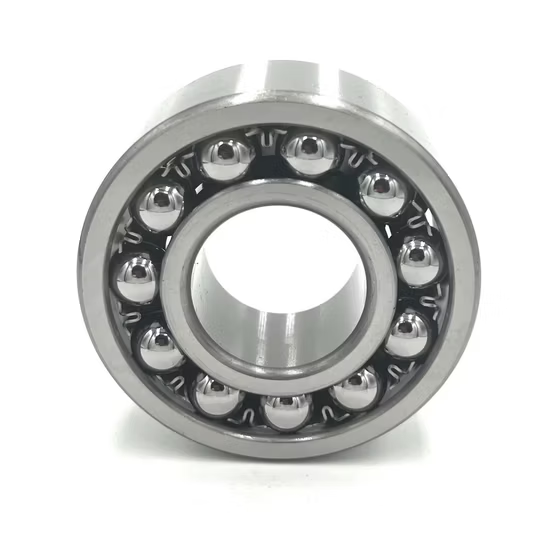


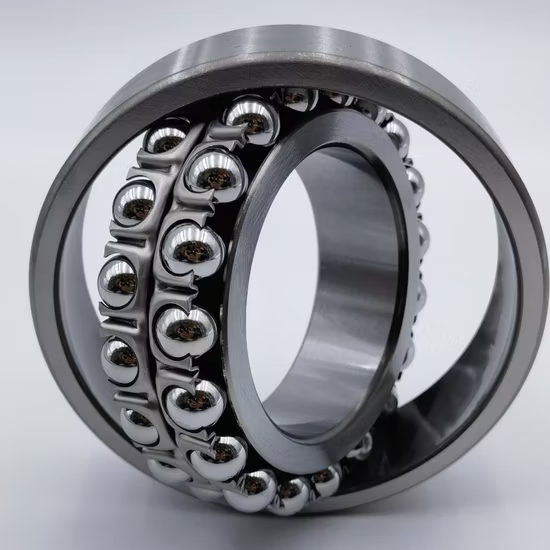
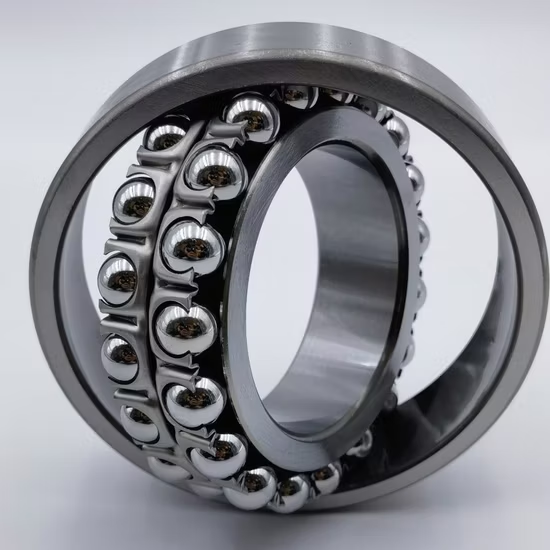
2309m Double Row Self-Aligning Ball Bearing — double row chrome steel construction compensates for shaft misalignment in electric motors and industrial gearboxes.
Original Batch Traceability — Every 2309m self-aligning ball bearing ships with manufacturer lot documentation to verify authenticity before installation.
| Parameter | Value |
|---|---|
| Designation | 2309m |
| Product Type | Self-Aligning Ball Bearing |
| Material | Available in chrome steel |
| Number of Rows | Double Row |
| Bearing Style | Open, rubber seals, iron seals |
| Origin | Germany, Japan, Sweden, Malaysia, China |
| HS Code | 848210 |
Note: The 'm' suffix is an unverified suffix — requires manufacturer catalog confirmation.
| Industry | Typical Applications |
|---|---|
| Electric Motors | Rotor shaft support where minor misalignment occurs during operation |
| Industrial Gearboxes | Intermediate shaft mounting subject to housing deflection under load |
| Material Handling | Conveyor pulley bearings experiencing frame distortion and belt tension |
Matching the base number is never enough to prevent thermal binding in the field.
I once handled a batch of self-aligning ball bearings in Dubai where ignoring a minor suffix difference led to cage fracture under high-temperature operation. Procurement teams often assume that if the base designation matches, the internal design is identical. This oversight causes severe operational disruptions when a standard clearance is installed in an application demanding thermal expansion compensation, or when a pressed steel cage is forced into a high-vibration environment . The 2309m self-aligning ball bearing requires strict verification of every character to ensure the internal geometry and cage material align perfectly with the actual site conditions.
Selecting the correct 2309m self-aligning ball bearing involves looking beyond the outer dimensions to evaluate how the internal components handle specific operational stresses. Our technical team reviews the exact load profiles and misalignment angles of your equipment to confirm that the chosen variant provides adequate compensation. By analyzing the application parameters, we ensure the bearing style and internal clearances prevent edge-loading on the raceways, thereby securing reliable performance in demanding industrial environments.
Industrial gearboxes and conveyor systems subject bearings to complex radial loads combined with sudden shock impacts and shaft deflections. When operating temperatures rise, standard internal clearances can disappear, leading to excessive friction and premature seizure. Proper lubrication selection is equally critical; open designs require strict contamination control and regular relubrication intervals, while sealed variants must be evaluated for the friction heat generated by their contact lips . Understanding these environmental exposures ensures the selected configuration survives the actual working cycle without catastrophic degradation.
The double row configuration of this self-aligning ball bearing provides excellent capacity to accommodate angular misalignment between the shaft and the housing. Available in chrome steel, the material offers the necessary hardness and fatigue resistance for standard industrial applications. The availability of open, rubber-sealed, and iron-sealed styles allows maintenance teams to balance the need for contamination exclusion against the friction limits of the specific application. Verifying the precise bearing style and internal clearance class is mandatory, as substituting a sealed unit in a high-speed, high-temperature zone will rapidly destroy the sealing lips and contaminate the lubricant.
Replacing a bearing based solely on a visual match of the base designation frequently results in unplanned downtime and severe equipment damage. If the replacement lacks the correct internal clearance for the operating temperature, the rolling elements will skid, rapidly destroying the raceways. Such premature failures not only halt production but also void equipment warranties and necessitate costly secondary repairs to adjacent shafts and housings . Accurate cross-referencing prevents these cascading mechanical disasters.
We maintain authorized distribution channels across major global brands, allowing you to consolidate mixed-brand requirements into a single, fully documented shipment. Our cross-reference process strictly aligns the base number, internal clearance, and cage material, eliminating the guesswork that causes field failures. For the 2309m self-aligning ball bearing, we verify the exact sealing and clearance suffixes against your OEM equipment specifications rather than relying on generic catalog substitutions. Every shipment includes batch traceability and QR verification, ensuring you receive genuine components that meet the exact engineering requirements of your facility.
To ensure the selected bearing perfectly matches your machinery, please provide the exact radial and axial loads, operational speeds, and expected temperature ranges. Sharing the OEM equipment number allows our engineering team to perform a precise cross-reference check, verifying that all internal design parameters align with the original specifications. This technical review guarantees that the proposed solution delivers reliable service life under your specific working conditions.
Q: Why does matching the base number fail during cross-referencing?
A: Matching only the base number ignores critical internal differences. Variations in clearance classes, cage materials, or sealing arrangements drastically alter performance. Installing a standard clearance bearing in a high-temperature application causes thermal expansion to eliminate internal play, leading to rapid seizure and catastrophic equipment failure despite the base designation being correct.
Q: How do clearance classes affect high-temperature applications?
A: Standard CN clearance is suitable for normal operating temperatures. In environments where the shaft expands significantly more than the housing due to heat, a C3 or C4 larger clearance is mandatory. This extra internal space compensates for thermal expansion, preventing the rolling elements from binding and generating destructive friction heat during continuous operation.
Q: What does the 'm' suffix indicate on this designation?
A: The 'm' is an unverified suffix that requires manufacturer catalog confirmation. Suffixes typically denote cage material, internal design modifications, or specific clearance classes. Because naming conventions vary between manufacturers, verifying this exact character against the official brand documentation is essential to ensure the internal components match your application requirements.
Q: How can I verify the authenticity of the supplied bearings?
A: Every bearing is supplied with batch traceability documents and a Certificate of Conformity. You can scan the manufacturer's official QR code using their verified mobile application to instantly confirm the production origin, lot number, and authenticity, protecting your facility from counterfeit products that feature soft inner rings and cloned packaging.
Q: What mounting precautions prevent damage to self-aligning bearings?
A: When mounting, never apply pressing force through the rolling elements or the cage, as this will permanently brinell the raceways or fracture the cage. Use induction heating for the inner ring or apply force exclusively to the inner ring face. Ensure the shaft seat is clean and properly dimensioned to maintain the designed internal clearance after installation.
Our 5-step process ensures every order is engineered, validated, and supported for optimal performance.
Technical needs assessment
Custom specifications
Free samples for $50k+
Pre-shipment inspection
On-site & predictive
Our certified engineers respond within 24 hours with detailed technical specifications, pricing, and lead time information.