01
Consultation
Technical needs assessment


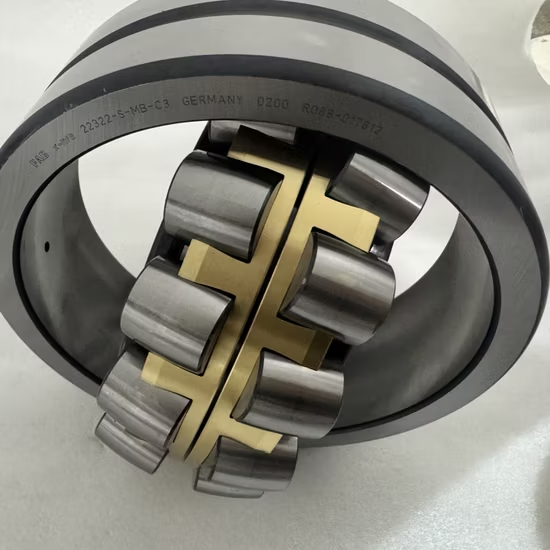


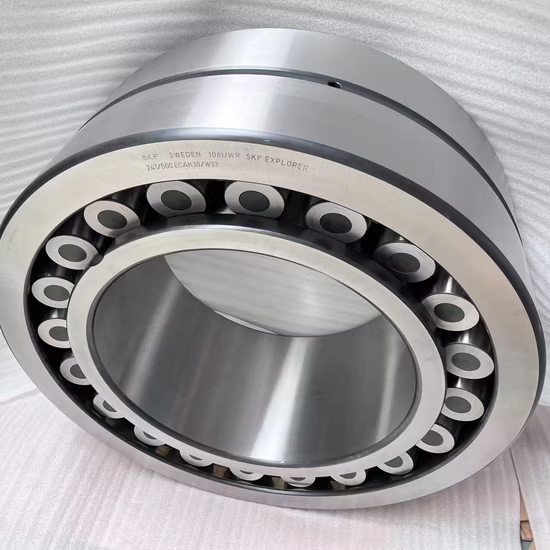
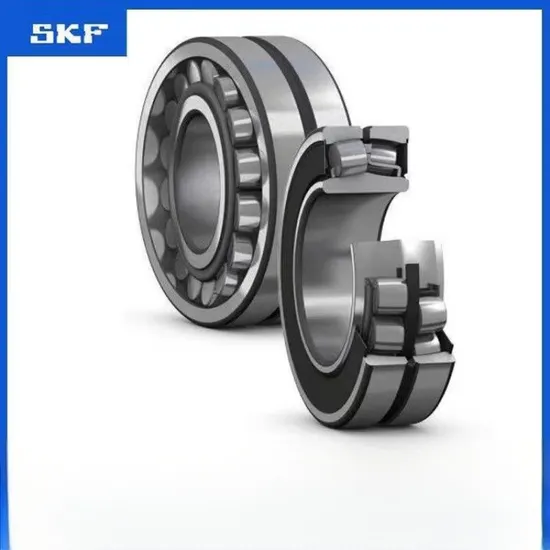
23030caw33 / 23032caw33 Spherical Roller Bearing — W33 lubrication groove and three holes in the outer ring ensure optimal oil distribution for paper machines and steel rolling mills.
Verified Batch Traceability — Each unit ships with manufacturer lot documentation to confirm metallurgical authenticity and prevent soft inner ring failures.
| Parameter | Value |
|---|---|
| Designation | 23030caw33 / 23032caw33 |
| Bearing Type | Spherical Roller Bearing |
| Lubrication Feature | Outer ring lubrication groove and three holes (W33) |
| Origin | Multiple authorized global manufacturing origins |
| HS Code | 8482500090 |
Note: The specific internal design implications of the 'c' and 'a' suffixes remain unverified and require manufacturer catalog confirmation prior to final cross-referencing.
| Industry | Typical Applications |
|---|---|
| Steel Mill Equipment | Continuous caster segments, rolling mill work roll necks, and coiler mandrels |
| Paper Machines | Dryer cylinder journals, press roll bearings, and calendar stack supports |
| Vibrating Screens | Exciter mechanisms and heavy-duty screen deck support shafts |
| Crushers | Jaw crusher pitman shafts and cone crusher main shaft assemblies |
Correct clearance selection prevents catastrophic journal seizures during continuous hot rolling operations.
Working extensively on site at Latin American steel plants, I have investigated numerous line stoppages caused by bearing lock-ups inside continuous casters and reheating furnace transfer rolls. The root cause is rarely the steel quality itself, but rather a cross-reference error where standard clearance was installed instead of the required expanded clearance. When ambient heat and friction combine, the internal operating clearance vanishes, leading to immediate thermal binding . Sourcing a genuine 23030caw33 / 23032caw33 spherical roller bearing ensures the W33 lubrication features function exactly as engineered, preventing these costly, unplanned downtime events.
In steel rolling and paper manufacturing, continuous operation demands reliable lubricant distribution across the rolling elements. The 23030caw33 / 23032caw33 spherical roller bearing incorporates the W33 designation, providing an annular groove and three lubrication holes in the outer ring. This specific design allows grease or oil to enter directly into the bearing interior, bypassing the need for complex external routing. Our engineering review ensures this feature aligns perfectly with your equipment's automated central lubrication systems.
Rolling mill work rolls and paper machine dryer cylinders subject bearings to immense radial loads combined with severe thermal gradients. The outer ring operates at a different temperature than the inner ring, which is pressed tightly onto a hot shaft. If the internal clearance is not specified correctly to accommodate this differential expansion, the rollers will skid rather than roll. Furthermore, the heavy shock loads from steel billets require a cage design that can withstand sudden acceleration forces without fracturing . Proper seal selection or open-design maintenance intervals must also be calibrated to keep out abrasive mill scale and paper dust.
The W33 suffix is critical for heavy machinery where relubrication is mandatory for survival. The annular groove acts as a reservoir,*between the two rows of symmetrical rollers. This prevents localized starvation, which is a primary trigger for smearing and premature spalling on the raceways. When performing a cross-reference, verifying the presence of this exact lubrication geometry is non-negotiable. Substituting a solid outer ring variant forces maintenance teams to rely entirely on end-cap grease packing, which inevitably fails under the high temperatures of a paper machine dryer section.
Installing a bearing with an incorrect internal design or clearance class leads to rapid degradation. According to failure mode classifications outlined in ISO 15243, inadequate internal clearance manifests as severe smearing and heat discoloration on the roller ends and guide flanges. This damage quickly propagates into catastrophic cage failure, destroying the shaft journal and housing in the process. The resulting collateral damage transforms a simple component replacement into a multi-day rebuild project, voiding equipment warranties and severely impacting production quotas .
Securing the right component requires more than just matching the base numbers. We execute a rigorous cross-reference review that aligns the clearance, cage material, and precision suffixes, ensuring the 23030caw33 / 23032caw33 spherical roller bearing matches the OEM's exact thermal and load requirements. Our multi-brand authorization allows us to consolidate mixed-brand requirements into a single, traceable shipment, eliminating the coordination delays typical of fragmented supply chains. Every unit undergoes application-based selection review, verifying that the W33 lubrication path and internal geometry suit your specific operating speeds and temperatures.
To ensure the selected designation perfectly matches your operational demands, please provide the specific radial and axial loads, operating speeds, and steady-state temperatures. Sharing the OEM equipment number allows our technical team to perform a comprehensive cross-reference check, verifying that the internal clearance and cage design are optimized for your exact application. This data enables us to calculate the theoretical L10 life and confirm the suitability of the W33 lubrication features.
Q: How does the W33 feature specifically benefit paper machine dryer bearings?
A: The W33 outer ring groove and three holes*g element paths. In paper machine dryers, high temperatures degrade grease rapidly. This direct feed design ensures continuous lubrication without relying on inefficient end-cap packing, significantly reducing the risk of thermal starvation and raceway smearing during continuous production runs.
Q: Why is checking the full suffix string critical during cross-referencing?
A: Matching only the base number ignores vital internal design parameters. A variant with standard clearance might lock up under the thermal expansion of a hot rolling mill shaft. Verifying the complete suffix string ensures the internal geometry, cage material, and clearance class perfectly align with the original equipment manufacturer's thermal and mechanical specifications.
Q: How can procurement teams verify the authenticity of these heavy-duty bearings?
A: Counterfeiters often clone packaging but fail to replicate internal metallurgical quality. Procurement teams should demand manufacturer batch traceability documents and scan the packaging QR codes using the brand's official mobile application. This digital handshake confirms the bearing originated from authorized production facilities and possesses the correct internal specifications.
Q: What information is needed to confirm the correct clearance class for a rolling mill?
A: We require the shaft and housing tolerances, the interference fit dimensions, and the expected temperature differential between the inner and outer rings during operation. This data allows our engineers to calculate the exact reduction in internal clearance caused by mounting and thermal expansion, ensuring the selected bearing will not suffer from thermal binding.
Our 5-step process ensures every order is engineered, validated, and supported for optimal performance.
Technical needs assessment
Custom specifications
Free samples for $50k+
Pre-shipment inspection
On-site & predictive
Our certified engineers respond within 24 hours with detailed technical specifications, pricing, and lead time information.