01
Consultation
Technical needs assessment

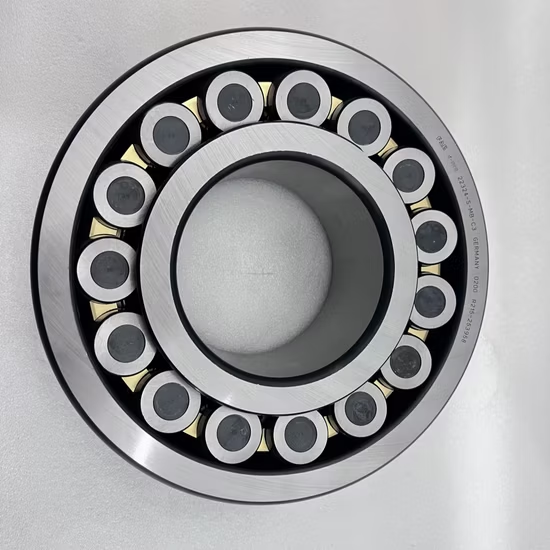
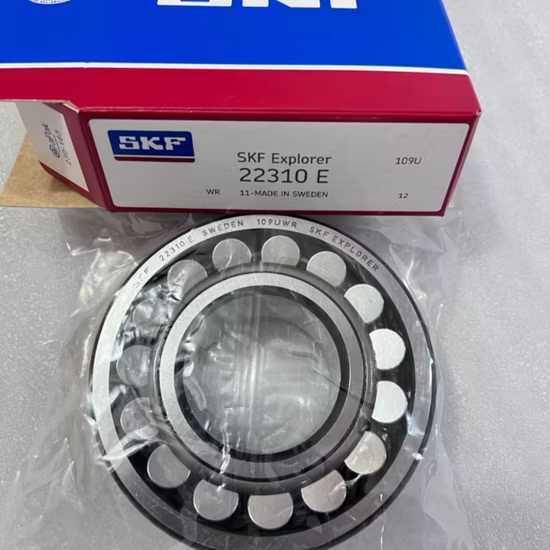
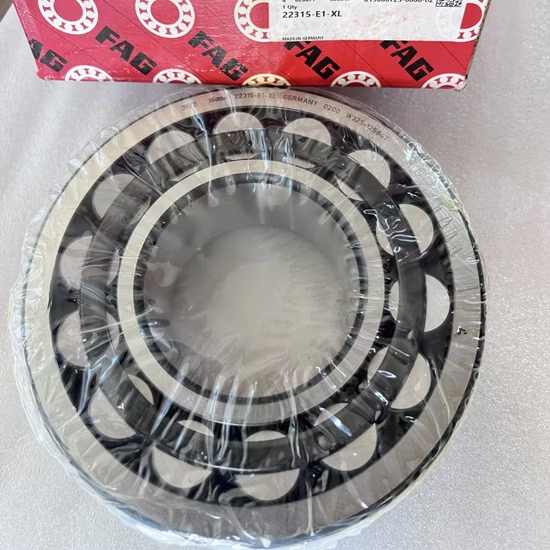


22315c Spherical Roller Bearing 75×160×55 mm
Verified via official apps — Every 22315c batch includes traceable QR codes scannable through the manufacturer's official application for instant authenticity confirmation.
| Parameter | Value |
|---|---|
| Designation | 22315c |
| Bearing Type | Spherical Roller Bearing |
| Bore Diameter (d) | 75 mm |
| Outside Diameter (D) | 160 mm |
| Width (B) | 55 mm |
| Bore Type | Cylindrical (standard) / Tapered 1:12 (22315K variant) |
| Cage Material | Machined brass or pressed steel options |
| HS Code | 8482500090 |
Note: The 'c' suffix in 22315c remains unverified and requires manufacturer catalog confirmation prior to final cross-referencing.
| Industry | Typical Applications |
|---|---|
| Mining and crushing | Vibrating screen exciters, jaw crusher toggle plates |
| Steel and metallurgy | Continuous caster roll segments, rolling mill guides |
| Industrial gearboxes | Heavy-duty extruder gearboxes, kiln drive pinions |
Incorrect clearance selection causes internal heat buildup that seizes the rolling elements long before structural fatigue occurs.
In heavy-duty crushing environments, substituting a standard clearance unit where a C3 or C4 is required leads to rapid thermal expansion. The inner ring expands faster than the housing, eliminating internal clearance and causing catastrophic cage failure. We see this frequently when cross-referencing only the base number without verifying the thermal expansion suffix, leading to unplanned downtime in the field.
In vibrating screens and crushers, the equipment generates severe shock loads and high-frequency oscillations. The 22315C spherical roller bearing handles these combined radial and axial forces through its self-aligning raceway design, accommodating minor shaft deflections without edge-loading the rollers. Sourcing the correct cage design is critical here, as stamped steel cages may fracture under continuous high-frequency vibration where a one-piece machined brass cage would survive.
Mining sites expose rotating equipment to extreme particulate contamination and wide temperature fluctuations. Fine silica dust penetrates inadequate seals, mixing with the lubricant to form an abrasive paste that accelerates raceway wear. Furthermore, the friction generated by vibrating shafts elevates operating temperatures, demanding a wider internal clearance to prevent the bearing from binding as the shaft expands thermally. Proper lubrication intervals and heavy-duty sealing arrangements are mandatory to maintain operational stability.
The 75 mm bore, 160 mm outside diameter, and 55 mm width provide a substantial cross-section capable of absorbing heavy radial loads alongside moderate axial thrust. For installations requiring precise clearance adjustment during mounting, the 22315K variant offers a 1:12 tapered bore. This tapered design allows maintenance crews to drive the bearing up a tapered sleeve, accurately measuring the reduction in internal radial clearance to achieve the optimal preload for the specific application.
Procurement errors often stem from matching the base 75x160x55mm dimensions while ignoring the internal design suffixes. Installing a standard clearance bearing in a high-heat zone results in thermal seizure, often destroying the shaft and housing alongside the bearing itself. According to ISO 281 life calculation frameworks, operating with insufficient internal clearance drastically reduces the dynamic load rating, turning a multi-year service expectation into a matter of weeks. Such premature failures trigger severe warranty voidance and massive replacement expenses.
Our authorization across all major international brands means you can consolidate mixed-brand requirements into a single, fully traceable shipment. When cross-referencing the 22315c, we do not just match the base number; we verify the exact cage material and clearance class required for your specific vibrating screen or crusher. Every batch we ship includes verifiable documentation, ensuring that the internal geometry matches the OEM specifications exactly. This rigorous technical selection review prevents the costly installation of incorrect variants that look identical on the outside but fail rapidly under load.
To ensure the selected variant perfectly matches your operational demands, please provide the specific radial and axial loads, operating speeds, and ambient temperatures. Sharing the OEM equipment number allows our engineering team to perform a precise cross-reference check, verifying that the clearance and cage specifications align with the original design. This technical validation guarantees you receive a bearing configured for your exact environmental challenges.
Q: What is the practical difference between the cylindrical bore and the 22315K tapered bore?
A: The standard cylindrical bore is typically pressed directly onto a straight shaft seat. The 22315K tapered bore, featuring a 1:12 taper, is mounted using an adapter sleeve. This sleeve allows technicians to precisely control the internal radial clearance reduction during installation, which is highly beneficial for heavy-duty applications requiring specific preload settings to handle shock loads.
Q: How do you ensure cross-referenced brands match the original OEM requirements?
A: We go beyond matching the basic 75x160x55mm dimensions. Our technical team verifies the exact internal clearance class, cage material, and internal geometry suffixes. By comparing these critical parameters against the OEM specifications, we ensure the alternative brand performs identically under your specific thermal and load conditions.
Q: Which cage material is recommended for vibrating screens and crushers?
A: For high-vibration equipment like vibrating screens, a one-piece machined brass cage is generally preferred. Brass cages offer superior resistance to the high-frequency oscillations and shock loads typical in crushing environments, reducing the risk of cage fracture and ensuring reliable roller guidance under severe dynamic stresses.
Q: How can I verify the authenticity of the bearings upon delivery?
A: Every unit we supply features batch traceability. You can scan the QR code printed on the packaging or accompanying documentation using the manufacturer's official mobile application. This instantly confirms the production batch, origin, and authenticity, protecting your operation from the risks associated with counterfeit components.
Our 5-step process ensures every order is engineered, validated, and supported for optimal performance.
Technical needs assessment
Custom specifications
Free samples for $50k+
Pre-shipment inspection
On-site & predictive
Our certified engineers respond within 24 hours with detailed technical specifications, pricing, and lead time information.


