01
Consultation
Technical needs assessment

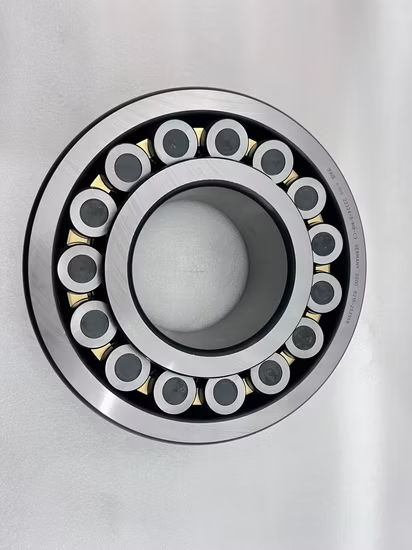

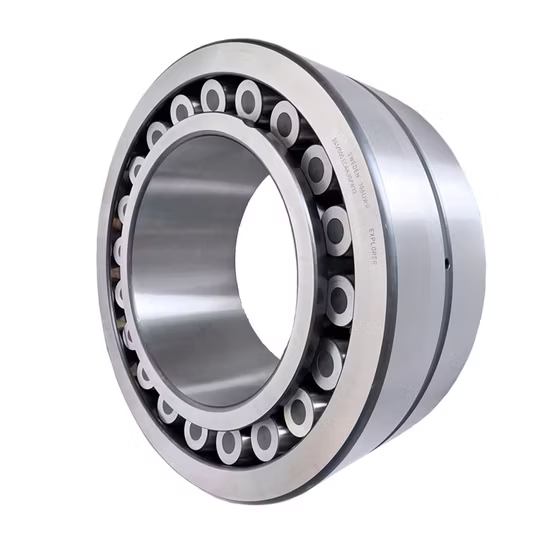
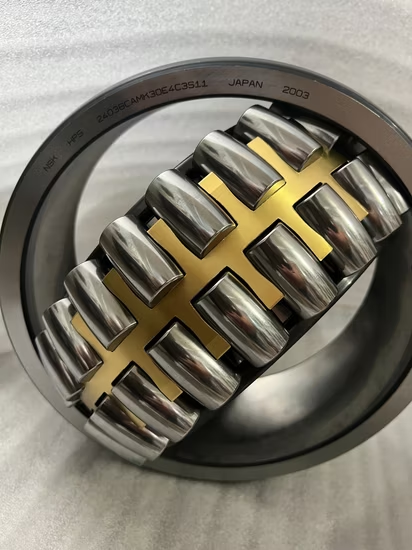


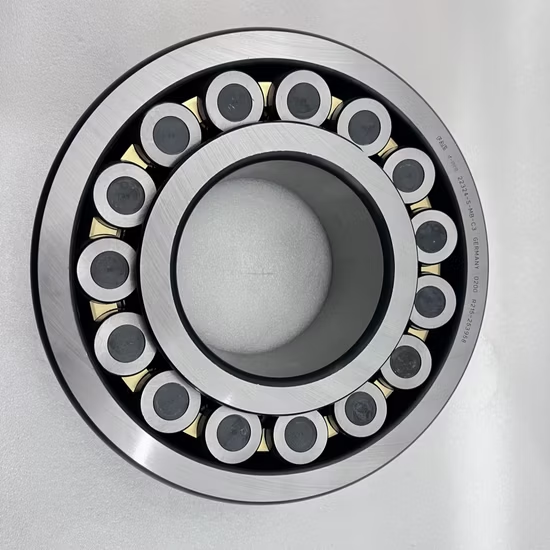
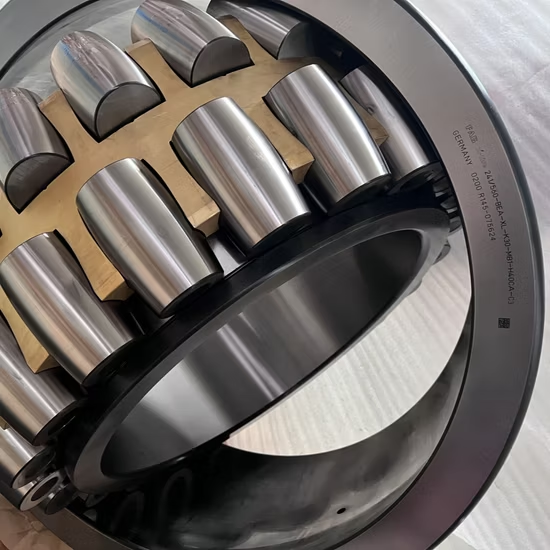
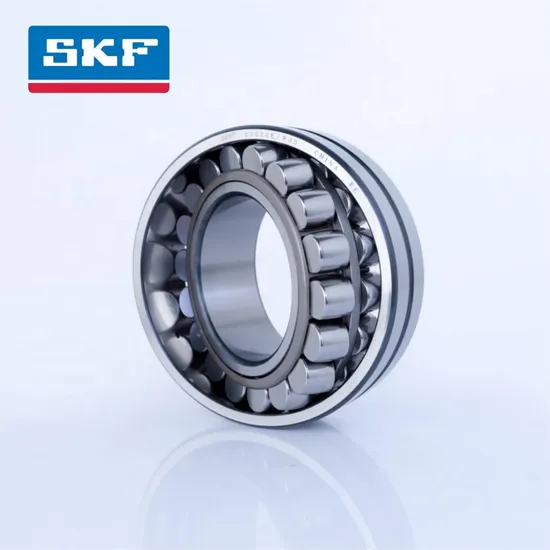
22244 Double Row Spherical Roller Bearing — engineered to handle heavy radial and axial loads while accommodating shaft misalignment in demanding vibrating screens, crushers, and steel mill equipment.
Authorized Multi-Brand Coverage — Procuring the 22244 spherical roller bearing across different manufacturer origins is handled through a single supply channel, eliminating multi-vendor coordination.
| Parameter | Value |
|---|---|
| Designation | 22244 |
| Bearing Type | Spherical Roller Bearing |
| Origin | Germany / Japan / Sweden / Malaysia / China |
| HS Code | 8482500090 |
| Customization | Clearance, cage, and internal design variants available upon request |
| Industry | Typical Applications |
|---|---|
| Mining and Crushing | Jaw crusher pitman shafts, vibrating screen eccentric mechanisms |
| Steel and Metallurgy | Continuous caster roll segments, rolling mill gear drives |
| Material Handling | Bucket elevator head shafts, heavy-duty conveyor pulley bearings |
Matching the base number is never enough when thermal expansion and heavy shock loads are involved.
Ordering a 22244 spherical roller bearing without specifying the exact internal design and clearance class is a common trap in heavy industry procurement. I have personally investigated mining crusher shutdowns where a standard clearance unit was installed instead of the required C3 or C4 variant, leading to thermal binding and catastrophic cage failure within hours . When cross-reference errors overlook these critical suffixes, the equipment suffers unplanned downtime that far exceeds the component cost.
Securing the correct variant of this double row spherical roller bearing requires matching the internal geometry to the specific load spectrum of the application. Our engineering review process ensures that the selected cage material and internal design can withstand the intense vibrations typical of screening and crushing equipment. By validating the application parameters before shipment, we prevent the mismatched installations that routinely cause premature fatigue in heavy-duty material handling systems.
Equipment operating in steel mills and mining sites subjects rolling elements to severe radial loads combined with intense shock impacts. At elevated temperatures, the thermal expansion of the shaft and housing alters the internal operating clearance, making the correct initial clearance class absolutely vital to prevent internal preload. Furthermore, heavy contamination from dust and debris demands appropriate sealing solutions or external housing seals to protect the lubricant . Proper lubrication intervals and correct mounting procedures, such as induction heating for large bore sizes, are equally critical to achieving the expected service life.
When an inquiry specifies only the base 22244 spherical roller bearing, it lacks the necessary suffixes that define its internal construction and operational limits. The internal design, indicated by suffixes like CC, CA, or MB, determines whether the bearing utilizes a stamped steel or machined brass cage, which directly impacts its performance under high-vibration conditions. Similarly, the clearance class must be explicitly defined; a standard CN clearance will bind under the thermal expansion typical of crusher shafts, whereas C3 or C4 clearances provide the necessary operational gap. Identifying these missing parameters is the core of our technical selection review.
Installing a standard clearance unit in an application that demands extra internal clearance leads to rapid thermal binding as the shaft expands under operational heat. This premature failure mode often results in catastrophic damage to the surrounding housing and shaft surfaces, requiring extensive machining repairs during the outage. According to failure analysis frameworks, a significant share of premature bearing seizures stems directly from these initial selection errors . The resulting warranty voidance and production losses easily dwarf the initial procurement savings.
Sourcing heavy-duty spares requires more than just matching a part number; it demands verifiable authenticity and application-specific validation. We address the risk of counterfeit inner rings by providing units with full batch traceability directly from the manufacturer's production facilities. Our cross-brand interchange process aligns not just the base designation, but the exact internal design and clearance requirements, ensuring the replacement performs identically to the OEM specification. Furthermore, our application-based selection review catches potential mismatches in cage materials before the order is finalized, preventing field failures in high-vibration environments.
To ensure the supplied units perfectly match your machinery, please provide the specific radial and axial load profiles, operational speeds, and expected thermal gradients. Supplying the original OEM equipment numbers allows our engineering team to execute a precise cross-reference check, confirming the required internal design and clearance class. This technical data enables us to conduct a comprehensive selection review and recommend the optimal configuration for your application.
Q: Why is it risky to order this model using only the base designation?
A: Ordering without specifying the internal design and clearance class leaves critical performance variables to chance. In high-temperature or high-vibration applications, installing a standard clearance or incorrect cage type can lead to rapid thermal binding or cage fracture. Our technical review ensures these missing parameters are correctly defined for your specific machinery before procurement.
Q: How do I verify the authenticity of the received units?
A: Every unit we supply includes comprehensive batch traceability documentation and a verifiable QR code. By scanning this code through the respective manufacturer's official mobile application, procurement and maintenance teams can instantly confirm the origin, production date, and authenticity of the components, eliminating the risk of installing counterfeit parts.
Q: What operating conditions require extra internal clearance instead of standard?
A: Applications involving significant thermal gradients, such as vibrating screens or crusher shafts, typically require C3 or C4 clearance classes. As the shaft expands under operational heat, the extra internal gap compensates for the thermal growth, preventing the internal preload and subsequent thermal seizure that would occur if a standard CN clearance were used.
Our 5-step process ensures every order is engineered, validated, and supported for optimal performance.
Technical needs assessment
Custom specifications
Free samples for $50k+
Pre-shipment inspection
On-site & predictive
Our certified engineers respond within 24 hours with detailed technical specifications, pricing, and lead time information.