01
Consultation
Technical needs assessment


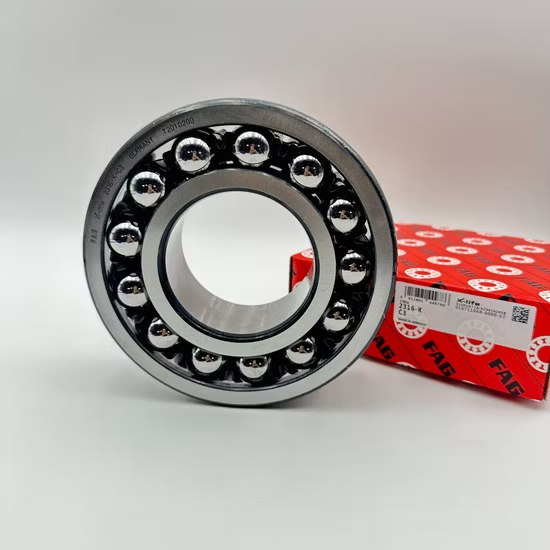
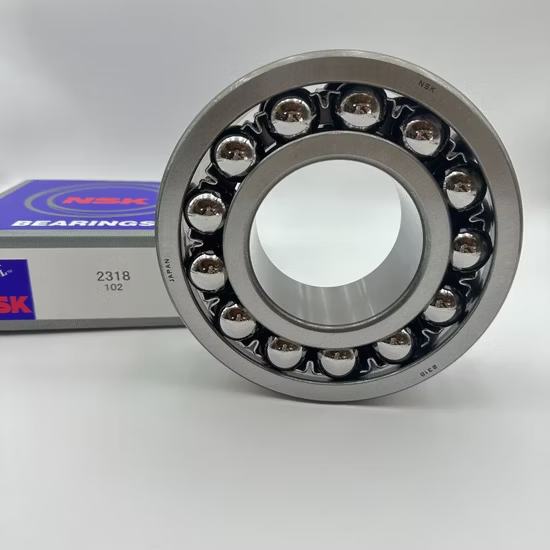
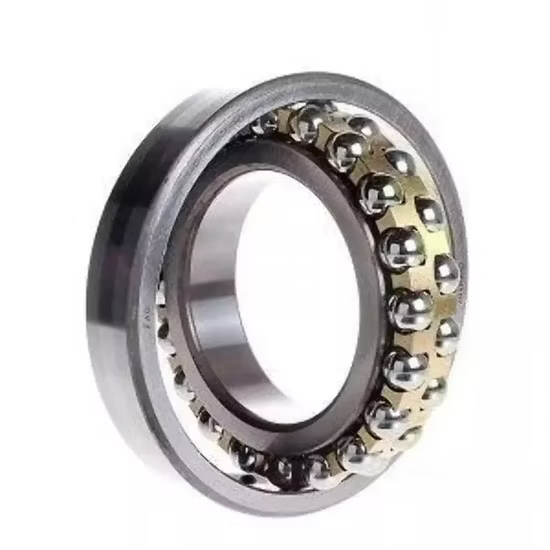


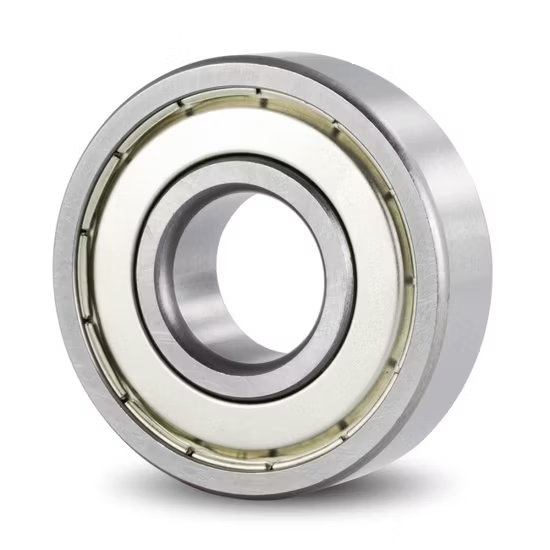
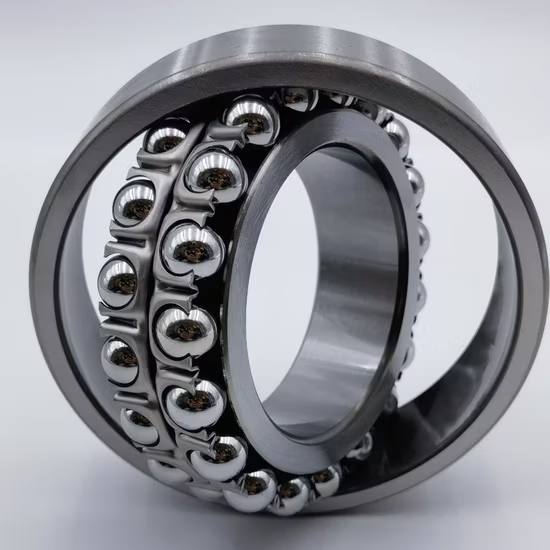
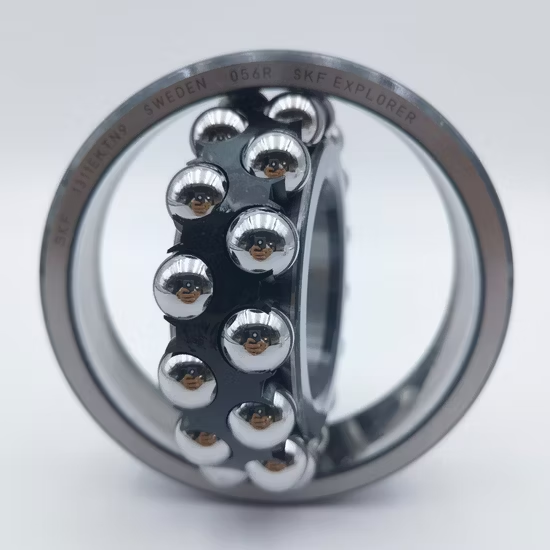
2214 Self-Aligning Ball Bearing — compensates for shaft misalignment to reduce edge stress in electric motors and gearboxes.
Multi-Brand Sourcing Consolidated — Fulfill mixed SKF, FAG, and NSK requirements for the 2214 self-aligning ball bearing under a single authorized purchase order without juggling multiple vendors.
| Parameter | Value |
|---|---|
| Designation | 2214 |
| Bearing Type | Self-Aligning Ball Bearing |
| Bearing Style | Open, Rubber Seals (2RS), Iron Seals (ZZ) |
| Origin | Germany, Japan, Sweden, Malaysia, China |
| HS Code | 848210 |
| Customization | Cross-brand interchange with suffix alignment |
| Industry | Typical Applications |
|---|---|
| Electric Motors | Rotor shaft support where slight housing misalignment occurs |
| Agricultural Machinery | Conveyor drive shafts exposed to dust and crop debris |
| Gearboxes | Intermediate shafts requiring compensation for structural deflection |
Matching the base designation while ignoring the seal and clearance suffixes is the fastest route to thermal binding in dusty environments.
Procurement teams often approve cross-references that look perfect on paper but fail catastrophically in the field. I have seen operations in the Middle East replace an original sealed unit with an open variant, assuming the base number was all that mattered. The resulting ingress of fine desert sand destroyed the internal geometry within weeks . Sourcing the correct 2214 self-aligning ball bearing requires strict alignment of the seal type and internal clearance, not just the basic four digits.
Selecting the right variant depends entirely on the contamination level and maintenance access at the installation site. The open design suits clean, enclosed gearboxes where external oil circulation is present. For agricultural machinery or outdoor conveyors, the 2RS rubber sealed version prevents moisture and fine particulate ingress, though it introduces slightly higher friction. The ZZ iron shielded option offers a middle ground, keeping out larger debris while allowing higher rotational speeds than rubber lip seals.
Shaft deflection and thermal expansion dictate the internal geometry requirements for this component. In applications like large electric motors, the outer ring must self-align to accommodate housing tolerances without inducing edge stress on the raceway . When operating temperatures rise significantly, a standard internal clearance will close up as the inner ring expands, leading to excessive preload and cage failure. Specifying an enlarged clearance class ensures the rolling elements maintain optimal operational gaps once the machinery reaches its thermal equilibrium.
The distinction between an open, 2RS, and ZZ configuration fundamentally alters the friction and maintenance profile of the assembly. Rubber seals maintain constant contact with the inner ring, providing superior exclusion of fine agricultural dust but generating more heat at high speeds. Iron shields operate with a non-contact labyrinth gap, reducing friction but allowing microscopic moisture to penetrate over time. Understanding these trade-offs ensures the selected 2214 self-aligning ball bearing survives the specific environmental challenges of the installation zone.
Ignoring the precise suffix requirements during procurement leads to unplanned downtime and severe secondary damage. Installing a standard clearance unit in a high-temperature gearbox causes thermal expansion to eliminate internal gaps, resulting in catastrophic seizure that often damages the shaft and housing . Furthermore, utilizing an open bearing in a dusty environment without a reliable external sealing mechanism accelerates abrasive wear, voiding equipment warranties and forcing premature replacement cycles.
Our technical review process catches the subtle mismatches that automated catalogs overlook. We verify that the cross-referenced equivalent matches not just the base number, but the exact seal configuration and internal clearance required by the OEM. Every shipment includes batch traceability to the manufacturer, eliminating the risk of receiving counterfeit units with soft inner rings that pass casual visual inspections. By consolidating mixed-brand requirements, we simplify the supply chain while ensuring every unit meets the precise application demands.
To ensure the selected configuration matches your operational reality, provide the radial and axial load profiles, expected operating temperatures, and rotational speeds. Sharing the specific OEM equipment number allows our engineering team to perform a rigorous cross-reference check, verifying that the seal type and internal clearance perfectly align with the original design intent. This technical validation prevents field failures and extends the service interval of your machinery.
Q: How do I choose between the 2RS rubber seal and the ZZ iron shield for my application?
A: The 2RS rubber seal provides superior protection against fine dust and moisture, making it ideal for harsh agricultural or outdoor environments, though it generates slightly more friction. The ZZ iron shield offers non-contact protection suitable for higher-speed applications where large debris exclusion is sufficient and minimizing friction heat is a priority.
Q: What happens if I install a standard clearance bearing in a high-temperature motor?
A: As the shaft and inner ring heat up during operation, they expand faster than the housing. If standard clearance is used, this thermal expansion eliminates the internal gap, causing excessive preload, extreme friction, and eventual thermal seizure. Specifying an enlarged clearance class prevents this binding effect.
Q: How can I verify the authenticity of the bearings upon delivery?
A: Every unit we supply features batch traceability and can be verified using the manufacturer's official mobile application. By scanning the provided QR code, you can confirm the production lot and origin, effectively identifying counterfeit products that rely on cloned visual markers.
Q: Why is cross-referencing more than just matching the base number important?
A: A base number match only confirms the basic dimensions. If the replacement lacks the correct seal suffix or internal clearance designation specified by the OEM, the bearing will fail prematurely due to contamination ingress or thermal binding, despite fitting physically into the housing.
Our 5-step process ensures every order is engineered, validated, and supported for optimal performance.
Technical needs assessment
Custom specifications
Free samples for $50k+
Pre-shipment inspection
On-site & predictive
Our certified engineers respond within 24 hours with detailed technical specifications, pricing, and lead time information.