01
Consultation
Technical needs assessment

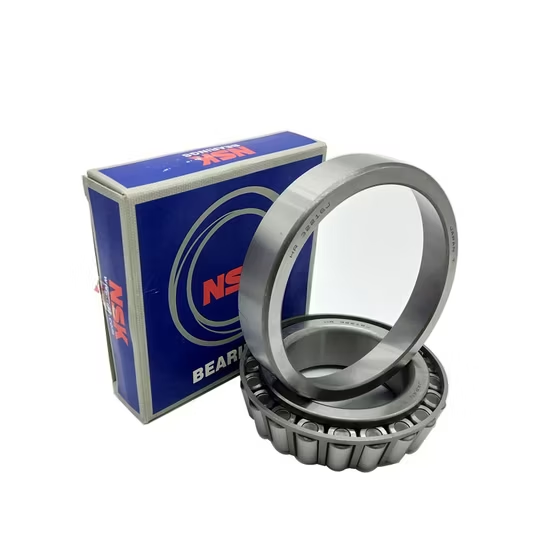
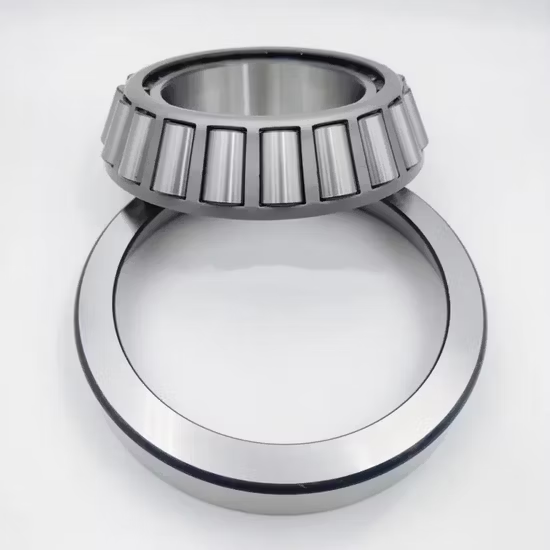
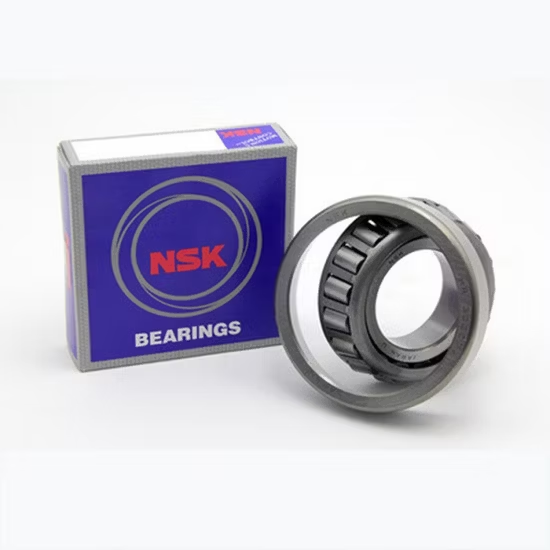
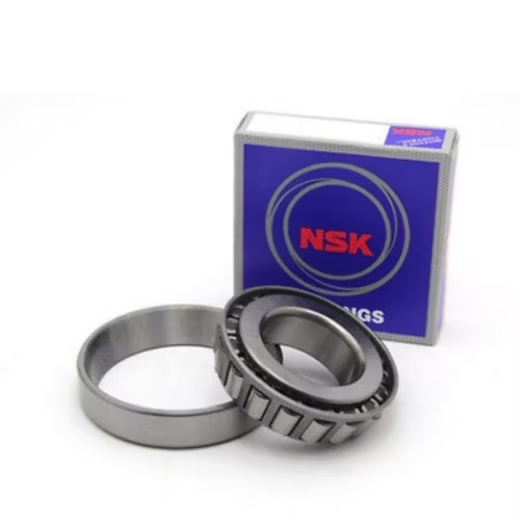
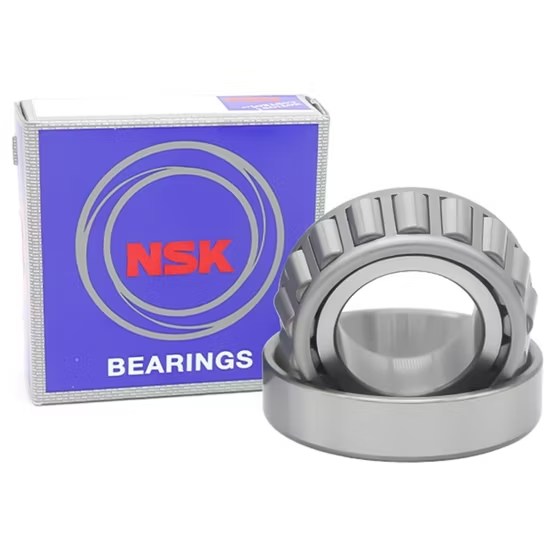
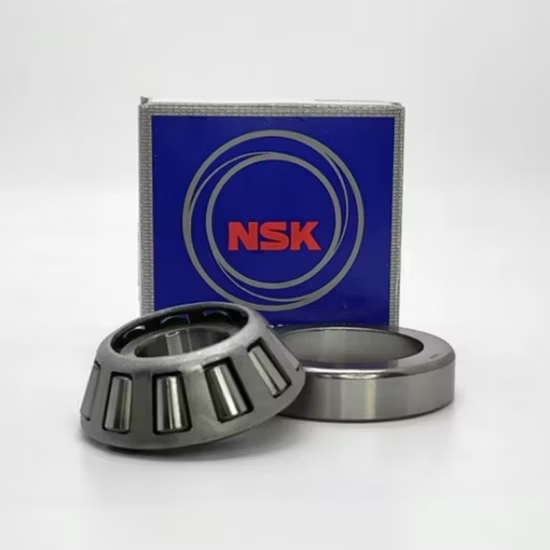
30200 30201 Tapered Roller Bearing — single row structure in Gcr15 steel effectively manages combined radial and axial loads.
Precision Cross-Reference Alignment — We verify base designation, internal geometry, and tolerance class to prevent thermal binding in wheel hub assemblies.
| Parameter | Value |
|---|---|
| Designation | 30200 30201 |
| Product Type | Tapered Roller Bearing |
| Number of Rows | Single Row |
| Structure | Taper |
| Precision Class | P4 |
| Cage Material | Available in nylon, brass, or iron variants |
| Material | Gcr15 |
| Origin | Shanghai |
Note: The designation string 30200 30201 represents standard metric tapered roller bearing designations without specific internal design or contact angle suffixes in this string; specific internal geometry requires manufacturer catalog confirmation.
| Industry | Typical Applications |
|---|---|
| Automotive & Heavy Vehicles | Wheel hub assemblies, truck axle differentials |
| Industrial Power Transmission | Industrial gearbox shaft supports |
| Marine Engineering | Marine drive propulsion shafts |
Matching the base designation without verifying internal clearance and cage material causes rapid thermal failure.
I have seen too many 14136A/14276 replacements fail in Latin American fleets because the supplier only checked the outer dimensions. When a standard clearance bearing is forced into a heavy-duty hub that demands C3 thermal expansion room, the preload spikes as the steel heats up. The result is catastrophic cage failure and a seized wheel . Sourcing a 30200 30201 tapered roller bearing requires looking past the stamped numbers to ensure the internal geometry actually survives the operating temperature.
Automotive wheel hubs endure a brutal mix of radial vehicle weight and axial cornering forces. The single row taper structure of the 30200 30201 tapered roller bearing is engineered to resolve these combined loads simultaneously. By supplying units with verified contact angles, we ensure the load lines intersect correctly at the roller apex, preventing edge-loading that prematurely destroys standard deep groove alternatives in heavy vehicle repair scenarios.
Hub assemblies generate significant friction heat, especially under sustained highway speeds or heavy hauling. If the internal clearance is too tight, thermal expansion eliminates the operational gap, leading to metal-to-metal contact. Proper lubrication routing is equally critical; grease must flow through the roller cage to dissipate heat without washing out under high shear . Selecting the correct cage material ensures the lubricant is retained effectively around the rolling elements during high-speed rotation.
Upgrading to P4 precision provides noticeably tighter dimensional and running accuracy than standard P0 grades, which is essential for reducing vibration in high-speed wheel hubs. The Gcr15 high-carbon chromium bearing steel offers the necessary fatigue strength for heavy loads. Depending on the specific rotational speed and operating temperature, the cage is available in nylon, brass, or iron variants. Nylon cages run quieter and lighter, brass cages handle higher vibration and shock loads, while iron cages offer robust structural support for extreme static pressures.
Installing a bearing that matches the base number but ignores precision and clearance suffixes leads to severe operational penalties. Unplanned downtime occurs when hubs overheat and lock up on the road. Premature failure of adjacent seals and brakes happens when excessive friction generates abnormal heat. In fleet operations, this results in catastrophic damage to the entire axle assembly and immediate warranty voidance from the vehicle manufacturer .
We do not just ship boxes; we align the cross-reference across base number, clearance class, and precision grade. When replacing 14136A/14274 or 14136A/14276, we verify the internal geometry matches the OEM requirement, not just the outer envelope. Every 30200 30201 tapered roller bearing we supply includes batch traceability to the manufacturer, eliminating the risk of soft inner rings from cloned counterfeit batches. Our application-based selection review ensures the cage material and precision class are validated against your specific load and speed parameters before the order is finalized.
To ensure the 30200 30201 tapered roller bearing matches your exact application, share your radial and axial load profiles, operating speeds, and hub temperatures for an L10 life calculation. If you are replacing an existing setup, provide the OEM equipment number or the exact cross-reference currently in use. Our engineering team will review the internal geometry and clearance requirements to confirm the selection before production.
Q: How do you verify authenticity for these metric tapered roller bearings?
A: We provide full batch and lot traceability linking back to the manufacturer. You can verify the authenticity using QR codes through the brand's official apps. This eliminates the risk of receiving counterfeit units with soft inner rings that fail under heavy vehicular loads, ensuring every component meets the original metallurgical specifications.
Q: What cross-reference checks are needed beyond the base designation?
A: We align the base number, internal clearance class, and precision grade. When replacing parts like 14136A/14274 or 14136A/14276, matching only the outer dimensions is insufficient. We verify the contact angle and cage material to ensure the replacement handles the exact thermal and mechanical demands of your specific wheel hub or gearbox application.
Q: How does P4 precision compare to standard tolerance classes?
A: P4 precision offers noticeably tighter dimensional and running accuracy compared to standard P0 or P6 grades. This tighter control reduces vibration and heat generation at higher rotational speeds, which is critical for automotive wheel hubs and industrial gearboxes where smooth operation directly impacts the lifespan of surrounding seals and components.
Q: Which cage material is best for high-speed wheel hub applications?
A: For high-speed automotive hubs, nylon cages are often preferred for their low weight and quiet operation, while brass cages are selected for heavy-duty truck axles due to their superior resistance to shock loads and vibration. We review your specific speed and load parameters to recommend the optimal cage material variant for your operating environment.
Q: What mounting practices are recommended for single row tapered bearings?
A: We strongly recommend using induction heating for mounting rather than mechanical force, which can damage the P4 precision raceways. It is crucial to set the correct endplay or preload during installation and verify the residual clearance to accommodate thermal expansion, preventing the bearing from binding as the hub assembly reaches operating temperatures.
Our 5-step process ensures every order is engineered, validated, and supported for optimal performance.
Technical needs assessment
Custom specifications
Free samples for $50k+
Pre-shipment inspection
On-site & predictive
Our certified engineers respond within 24 hours with detailed technical specifications, pricing, and lead time information.