01
Consultation
Technical needs assessment


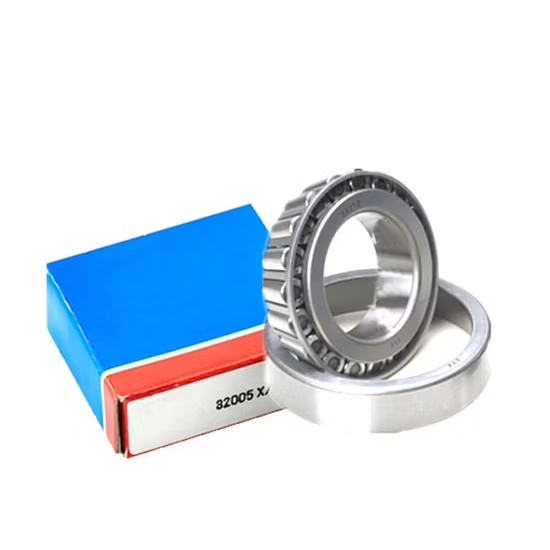
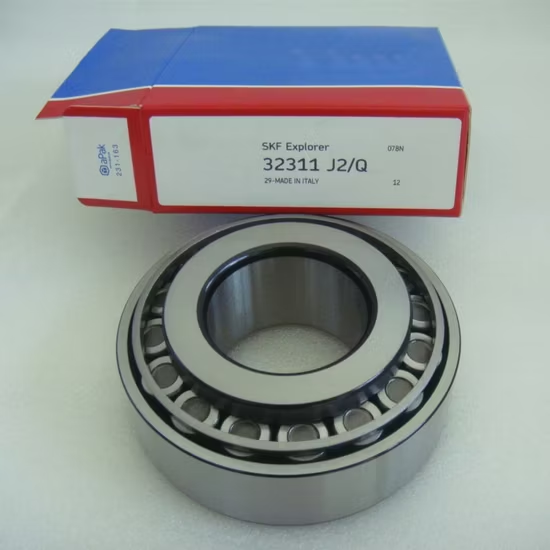
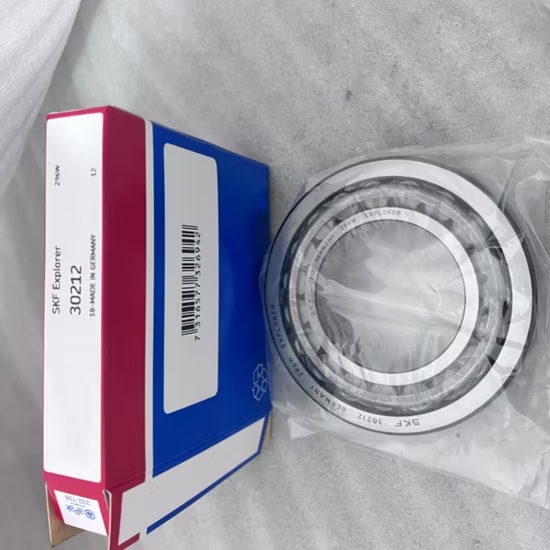
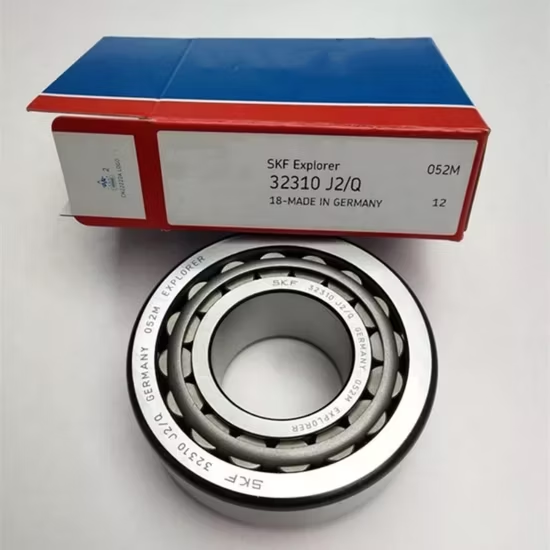
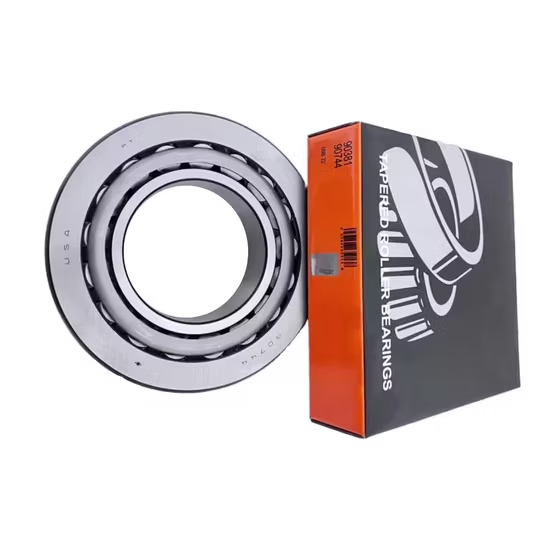
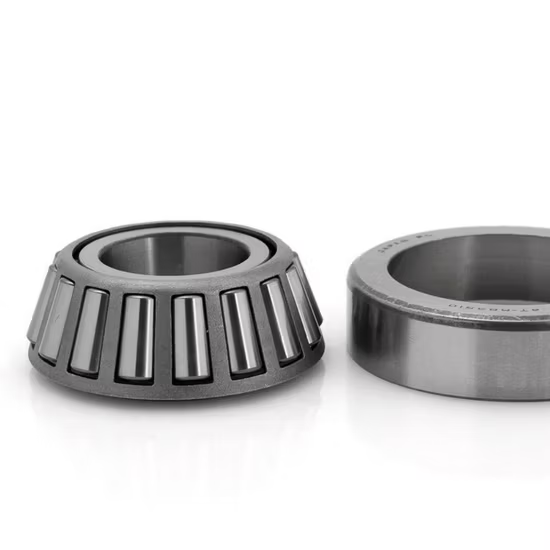
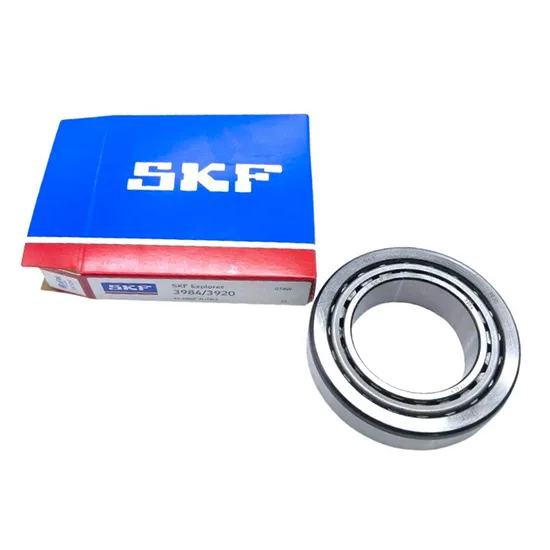
32212 32213J2/Q 32214J2/Q 32215J2/Q P4 Tapered Roller Bearings — single row design optimized for combined radial and axial loads in automotive and gearbox applications.
Three-point cross-reference alignment — verifying base number, cage material, and precision suffixes prevents thermal binding in 32212 and J2/Q series applications.
| Parameter | Value |
|---|---|
| Designation | 32212 32213J2/Q 32214J2/Q 32215J2/Q |
| Product Type | Tapered Roller Bearing |
| Bore Type | Cylindrical |
| Number of Rows | Single Row |
| Precision Class | P4 (ISO 492 Class 4) |
| Material | GCr15 bearing steel |
| Cage Material | Stamped steel (J), with brass or nylon options available |
| Origin | Germany / Japan / Sweden / Malaysia / China |
| Standards | ISO 355, ISO 492 |
Note: The "2" and "/Q" suffixes in the J2/Q designations remain unverified against specific manufacturer catalogs and require official documentation confirmation prior to final cross-referencing.
| Industry | Typical Applications |
|---|---|
| Automotive & Heavy Vehicles | Wheel hub assemblies, truck drive axles, differential pinion shafts |
| Industrial Power Transmission | Heavy-duty gearbox reduction stages, conveyor drive pulleys |
| Marine & Off-Highway | Marine propulsion drive shafts, agricultural machinery final drives |
Suffix omission is the silent killer of drivetrain reliability.
I transitioned from quality inspection to trading after seeing too many truck axles tear themselves apart. One batch of bearings matched the base designation perfectly, yet the cage material was incorrect for the high-speed operational profile, leading to catastrophic cage fragmentation and shaft lockup. Sourcing a 32212 32213J2/Q 32214J2/Q 32215J2/Q tapered roller bearing requires looking past the basic numbers. . When procurement teams rely solely on base designations, they miss critical internal geometry variations that dictate thermal stability and load distribution under severe dynamic conditions.
Selecting the right 32212 32213J2/Q 32214J2/Q 32215J2/Q tapered roller bearing means aligning the internal contact angle and roller profile with the specific combined loads of your axle or gearbox. Our technical review process evaluates the exact radial and axial thrust ratios your equipment generates. By matching the precise P4 tolerance and cage design to your operational reality, we ensure the rolling elements maintain optimal film thickness without generating excess frictional heat.
Automotive wheel hubs and industrial gearboxes subject components to intense thermal cycling and heavy shock loads. As operating temperatures rise, the inner ring expands, potentially collapsing the internal clearance if the wrong class was specified. Proper lubrication management is equally critical; oil bath systems in gearboxes demand different cage retention strengths compared to grease-packed hub assemblies. Contamination from road debris or industrial dust further complicates the sealing requirements, making the correct seal or shield selection vital for preventing abrasive wear. .
The P4 precision class dictates exceptionally tight tolerances for dimensional and running accuracy, which is essential for minimizing vibration and noise in high-speed pinion shafts. The GCr15 bearing steel provides the necessary core toughness and surface hardness to resist spalling under heavy contact stresses. For the J2/Q variants, the "J" indicates a stamped steel cage, which offers excellent strength and lubricant flow characteristics for standard to high-speed applications. While the specific meanings of "2" and "/Q" require manufacturer verification, the base single-row tapered design inherently manages combined loads by directing forces through the optimized roller-to-raceway contact lines.
Installing a bearing with mismatched internal clearance or an incompatible cage material inevitably leads to premature failure. The resulting thermal binding can score the shaft journal and destroy the housing bore, turning a simple component swap into a massive rebuilding project. Such catastrophic damage triggers unplanned downtime that halts entire production lines or strands heavy vehicles. Furthermore, utilizing unverified components immediately results in warranty voidance for the host equipment, leaving the operator to absorb the full financial impact of the secondary damage. .
We enforce a strict three-point cross-reference check that verifies the base number, cage material, and precision suffixes simultaneously, eliminating the guesswork that plagues standard catalog lookups. Because we hold authorized distribution across all major international brands, a single purchase order can fulfill mixed-brand requirements for complex gearbox overhauls without juggling multiple vendors. Every shipment includes batch traceability back to the manufacturer, ensuring you can verify the metallurgical origin of the GCr15 steel. Our application-based selection review specifically targets the high-shock environments of truck axles, preventing the costly mismatch of P0 grade parts in P4 required spindles.
To ensure accurate cross-referencing and L10 life calculation, please provide the exact radial and axial load profiles alongside your operational speed and temperature ranges. Supplying the original OEM equipment number or the specific housing dimensions allows our engineering team to verify the required internal geometry and clearance class. If your application involves severe contamination or extreme thermal cycling, detailing these environmental factors helps us confirm the optimal cage material and sealing arrangement for your specific drivetrain.
Q: Why does ignoring the J2/Q suffix cause field failures even if the base number matches?
A: The base number only defines the outer envelope dimensions. The suffixes dictate internal geometry, cage material, and precision. Installing a standard cage in a high-speed application meant for a specialized J2/Q design causes excessive friction, leading to thermal expansion, clearance collapse, and eventual cage fragmentation under dynamic loads.
Q: How does P4 precision differ from standard grades in automotive applications?
A: P4 precision enforces significantly tighter tolerances on bore, outside diameter, and running accuracy compared to standard P0 or P6 grades. In high-speed truck axles or differential pinions, this strict control minimizes vibration, reduces noise, and ensures uniform load distribution across the tapered rollers, extending the operational lifespan.
Q: What is the difference between stamped steel, brass, and nylon cages for these bearings?
A: Stamped steel (J) offers a strong balance of speed capability and load capacity for general automotive use. Brass cages provide superior durability and heat dissipation under heavy shock loads and severe vibration. Nylon cages run quieter and lighter but are restricted by lower maximum temperature thresholds and chemical compatibility limits.
Q: How can I verify the authenticity of the GCr15 material and P4 tolerances?
A: Authenticity is confirmed through the manufacturer's official app QR scanning and batch traceability documents. For P4 tolerances and material integrity, request the dimensional running accuracy inspection report and the material test report (MTR), which detail the specific metallurgical composition and heat treatment verification.
Q: What mounting precautions are required for single row tapered roller bearings?
A: Because single row tapered roller bearings only carry axial load in one direction, they must be mounted in opposition or adjusted against another bearing. Proper installation requires precise axial clearance adjustment during mounting, often utilizing controlled induction heating for the inner ring to avoid damaging the GCr15 raceways or the cage assembly.
Our 5-step process ensures every order is engineered, validated, and supported for optimal performance.
Technical needs assessment
Custom specifications
Free samples for $50k+
Pre-shipment inspection
On-site & predictive
Our certified engineers respond within 24 hours with detailed technical specifications, pricing, and lead time information.