01
Consultation
Technical needs assessment



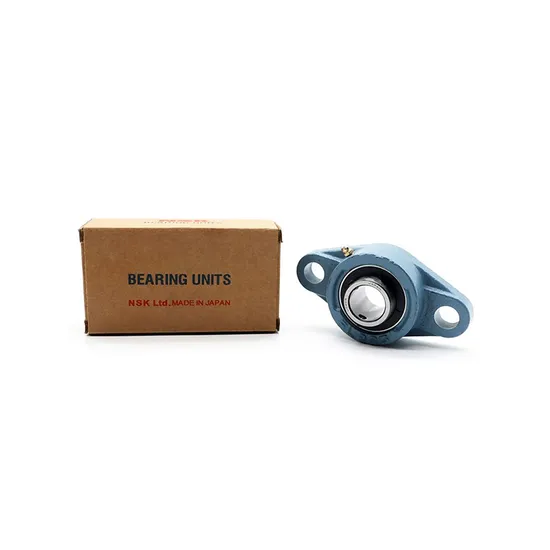
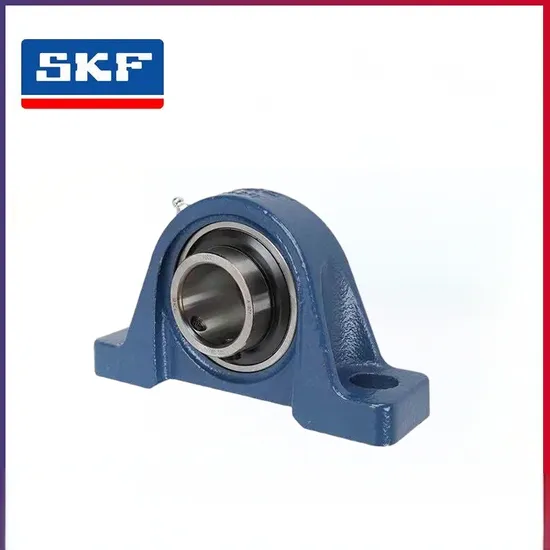
UCT210 UCT211 UCT212 UCT213 UCT214 UCT215 UCT216 UCT217 UCT218 Pillow Block Bearing Take-up Units — 50-90 mm bore cast iron housings for conveyor tensioning.
Cross-reference alignment verified — We match internal clearance, seal configuration, and locking mechanisms, not just the base designation, to prevent thermal binding in conveyor drives.
| Parameter | Value |
|---|---|
| Designation | UCT210 UCT211 UCT212 UCT213 UCT214 UCT215 UCT216 UCT217 UCT218 |
| Bearing Type | Pillow Block Bearing (Take-up Unit) |
| Bore Diameter (d) | 50 mm to 90 mm |
| Housing Material | Cast Iron |
| Raceway Type | Deep Groove |
| Row Number | Single |
| Locking Mechanism | Set Screw |
| Customization | Available |
| Industry | Typical Applications |
|---|---|
| Agricultural Machinery | Harvester conveyor tensioners, grain auger drive adjustments |
| Conveyor Systems | Belt tracking idlers, chain drive take-up assemblies |
| Material Handling | Bucket elevator tail shafts, pneumatic tube tensioners |
Matching the UCT prefix alone guarantees premature seizure when internal clearances and seal designs are ignored.
I have seen countless UCT215 units fail in agricultural dust simply because a supplier swapped a standard clearance insert for a C3 equivalent without checking the operating temperature. When cross-referencing across brands, buyers often receive units with cloned QR codes and soft inner rings that pass casual visual inspection but deform under set screw torque. A reliable UCT210-UCT218 pillow block bearing take-up unit supplier prevents these field failures by verifying the exact suffix requirements against the equipment's thermal and contamination profile .
Sourcing the correct UCT210-UCT218 pillow block bearing take-up unit supplier ensures the cast iron housing can withstand the high radial loads and shock impacts typical in material handling. The deep groove raceway design efficiently manages the combined loads encountered when belt tensioners are adjusted under full operational weight. We review your specific load and speed parameters to confirm the selected unit provides adequate structural rigidity and fatigue resistance for continuous duty cycles.
Take-up units in agricultural and bulk handling environments face severe particulate ingress that rapidly degrades standard seals. The sliding motion required for belt tracking introduces uneven wear on the housing bore, demanding precise cylindrical outer ring tolerances to prevent the insert from spinning. High ambient temperatures near drive motors also necessitate appropriate internal clearance to accommodate thermal expansion of the shaft . Without triple-lip seals or adequate re-lubrication pathways, the grease purges and abrasive dust destroys the raceway within weeks.
The "U" confirms an insert bearing with a standard inner ring and set screw locking, while "C" denotes a cylindrical outer ring suited for the sliding "T" take-up housing. The "2" series indicates a light-to-medium duty dimension profile, with the final digits mapping to bore sizes from 50 mm to 90 mm. Selecting the correct internal clearance is vital; a standard CN clearance will bind if the shaft expands significantly under heat, whereas a C3 clearance provides the necessary thermal expansion room. The cast iron housing offers robust structural support, though stainless steel or coated variants are available for highly corrosive washing environments.
Installing a unit with mismatched seals or incorrect clearance leads to unplanned downtime and catastrophic damage to the conveyor belt or chain. When the inner ring hardness falls below specification due to counterfeit manufacturing, the set screws crush the ring, causing it to slip on the shaft and score the journal. These premature failures void equipment warranties and force emergency maintenance shutdowns that halt entire production lines. Adhering to ISO 281 life calculation frameworks requires exact specification matching, not just approximating the base model number .
We provide authorized coverage across all major brands, allowing you to consolidate mixed-brand requirements into a single shipment. Our cross-brand interchange matches clearance, cage material, and precision, ensuring a replacement UCT212 performs identically to the original equipment specification. Every batch includes full traceability to the manufacturer, eliminating the risk of soft inner rings and cloned packaging. We conduct application-based selection reviews covering load, speed, and mounting conditions to catch suffix errors before the units reach your facility.
Share your conveyor or agricultural equipment parameters, including radial loads, shaft speeds, and operating temperatures, so we can verify the L10 life and internal clearance requirements. Provide the OEM equipment number or the exact operating environment details to ensure the seal type and housing material match the contamination level. Our engineering team will cross-reference the designated model against authorized catalogs to confirm the locking mechanism and dimensional tolerances before issuing a formal quotation.
Q: Why do base-matched take-up bearings fail prematurely in conveyors?
A: Base number matching ignores critical suffixes like internal clearance and seal type. If a standard clearance insert is used where thermal expansion requires C3, the bearing seizes. Similarly, standard seals fail quickly in agricultural dust. We verify these specific parameters to ensure the replacement unit survives the actual operating environment without binding or contamination ingress.
Q: How can I verify the authenticity of the UCT series units?
A: Counterfeiters often use cloned QR codes and soft inner rings that pass visual checks. We supply authorized units with batch traceability that can be verified directly through the brand's official mobile app. Additionally, we provide material test reports and dimensional inspection documents to confirm the metallurgical integrity and machining tolerances of both the insert and the cast iron housing.
Q: What seal and clearance options are best for dusty agricultural machinery?
A: In high-dust environments, standard single-lip seals allow abrasive particles to destroy the raceway. We recommend specifying units with heavy-duty multi-lip seals or external protective covers. For clearance, if the equipment operates near heat sources like drive motors, a C3 clearance is necessary to accommodate shaft expansion and prevent the deep groove raceway from binding under thermal load.
Q: How should the set screws be tightened during installation?
A: Overtightening the set screws on a standard inner ring can cause the ring to crack or deform, leading to shaft scoring and eventual slippage. Use a calibrated torque wrench to apply the exact tightening torque specified by the manufacturer. Ensure the shaft surface is clean and properly machined to provide a secure grip without damaging the inner ring structure during tensioning adjustments.
Q: Can you cross-reference UCT units across different bearing brands?
A: Yes, we cross-reference across major authorized brands like Timken, NSK, and NTN. However, we do not just swap the base designation. We strictly align the internal clearance, seal configuration, and set screw locking mechanism to ensure the alternative brand performs identically in your specific take-up application, preventing unexpected downtime caused by subtle design differences.
Our 5-step process ensures every order is engineered, validated, and supported for optimal performance.
Technical needs assessment
Custom specifications
Free samples for $50k+
Pre-shipment inspection
On-site & predictive
Our certified engineers respond within 24 hours with detailed technical specifications, pricing, and lead time information.