01
Consultation
Technical needs assessment

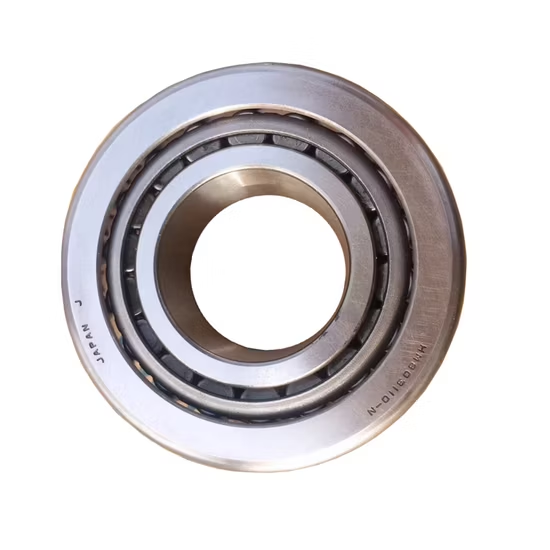
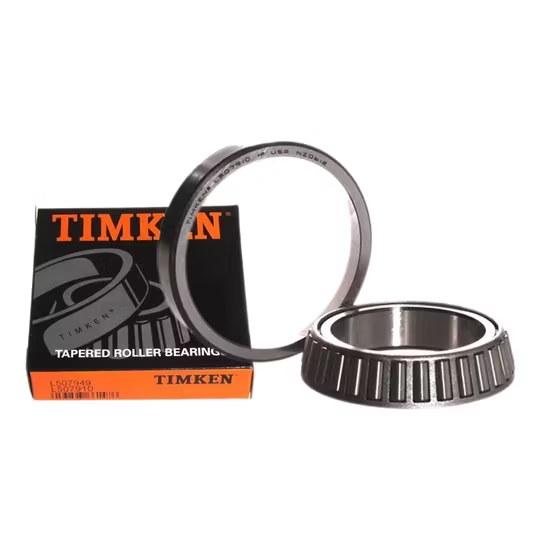
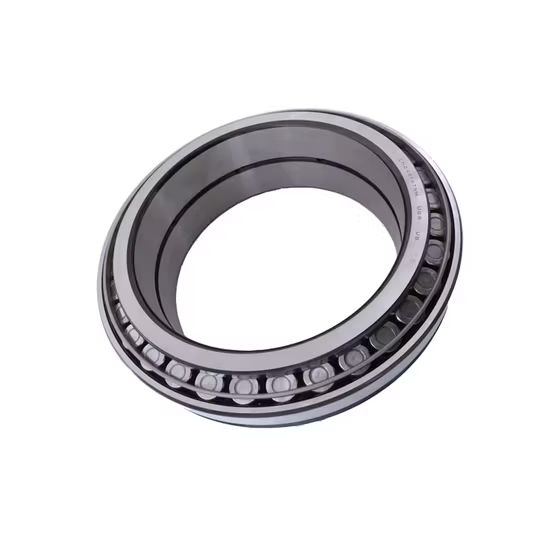
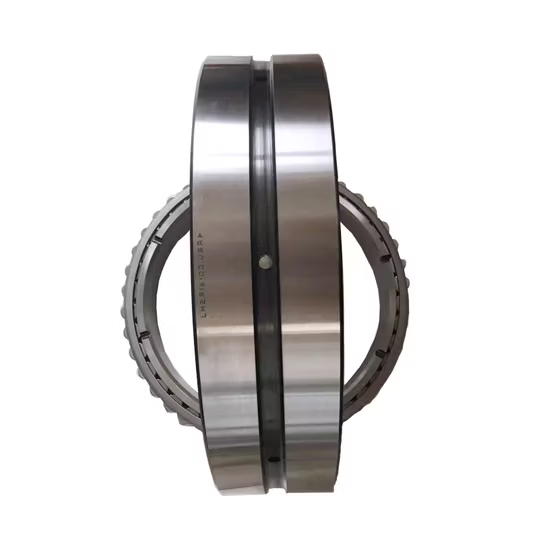
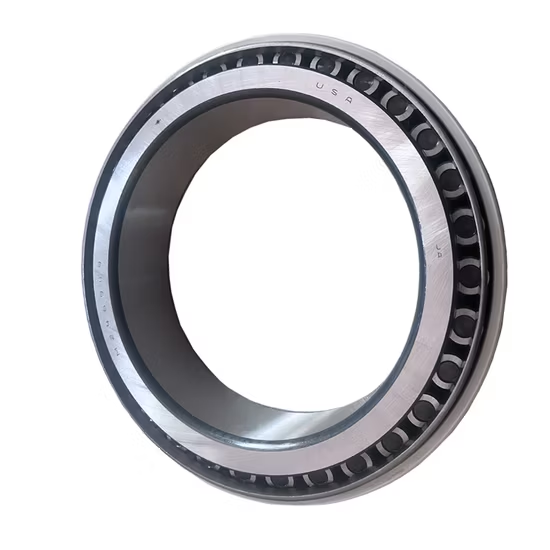
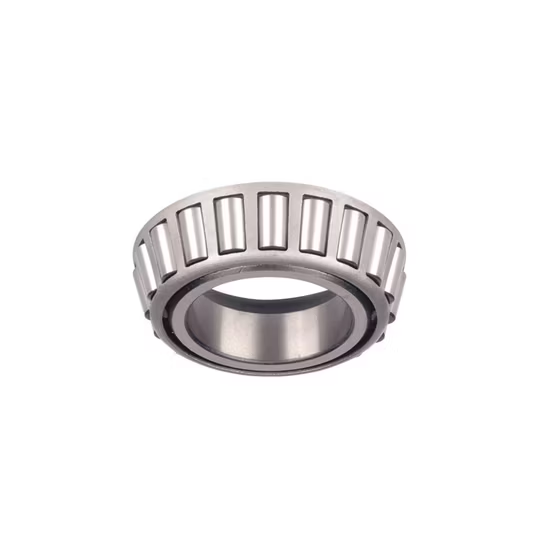
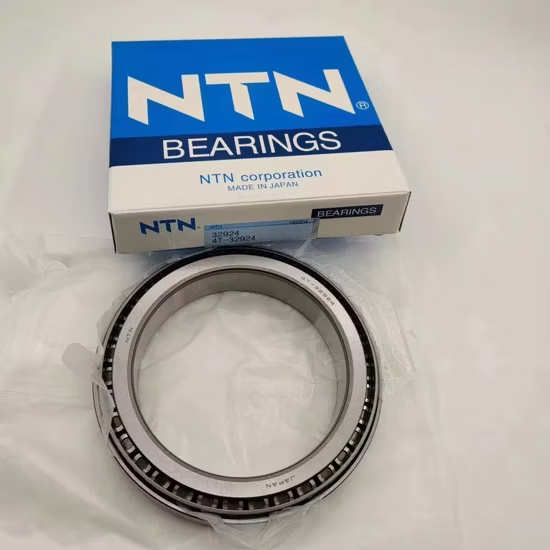
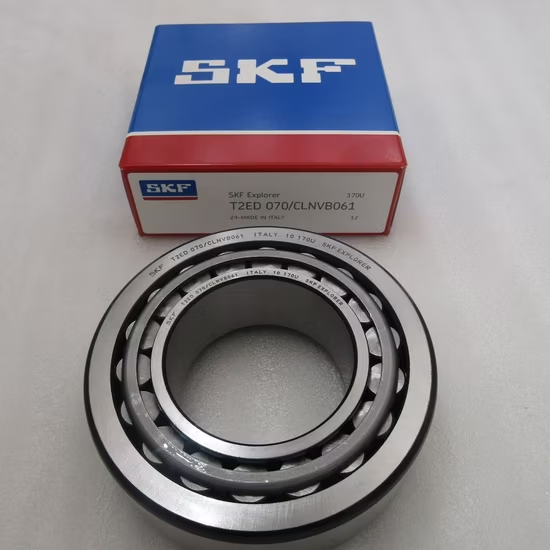
30203 30204 Single Row Tapered Roller Bearing — engineered to manage combined radial and axial loads in industrial gearboxes and automotive wheel hubs.
Cross-reference alignment verified — Every replacement check for these single-row units confirms base number, cage material, and precision class simultaneously to prevent field binding.
| Parameter | Value |
|---|---|
| Designation | 30203 30204 |
| Bearing Type | Single Row Tapered Roller Bearing |
| Precision Class | P4 |
| Material | GCr15 High Carbon Chromium Bearing Steel |
| Cage Material | Available in Nylon, Brass, or Iron variants |
| Origin | Shanghai |
| Industry | Typical Applications |
|---|---|
| Industrial Gearboxes | Pinion shaft support and heavy-duty reduction gear assemblies |
| Manufacturing Plants | Conveyor drive pulleys and automated material handling rollers |
| Automotive Repair | Light vehicle wheel hub assemblies and differential carriers |
| Building Material Shops | Crushers, vibrating screens, and mixing equipment shafts |
Matching the base number while ignoring internal geometry is a primary cause of catastrophic thermal binding in the field.
Procurement teams often assume that any 30203 30204 tapered roller bearing will perform identically if the outer dimensions match. In reality, overlooking the cage material or precision suffix leads to rapid degradation under compound loads. I have investigated numerous gearbox failures in Latin American mining sites where standard P0 grade units with pressed steel cages were installed in place of P4 precision brass-caged equivalents. The result is always the same: excessive friction heat, cage disintegration, and unplanned line stoppages. True interchangeability demands strict alignment of every internal parameter, not just the stamped outer ring numbers .
Selecting the correct internal configuration ensures the 30203 30204 tapered roller bearing survives the specific forces it encounters. Our engineering review process evaluates the exact radial and axial load ratios of your machinery. By matching the cage material and precision class to the actual operating environment, we eliminate the guesswork that typically leads to premature wear in heavy-duty transmission systems.
Heavy machinery environments subject components to severe temperature fluctuations and heavy particulate contamination. When ambient heat combines with friction, inadequate internal clearance or incorrect cage material will cause the rolling elements to skew and bind. Proper lubrication management is equally critical; the chosen cage design must retain the oil film under high-speed shear while resisting abrasive dust ingress. Ignoring these thermal and tribological boundaries guarantees accelerated fatigue and raceway spalling .
The P4 precision class dictates significantly tighter tolerances for dimensional and running accuracy compared to standard commercial grades. This strict control minimizes vibration and ensures smooth rotation, which is essential for high-speed pinion shafts and precision gearboxes. Furthermore, the GCr15 high-carbon chromium steel provides the necessary hardenability and wear resistance for heavy load zones. The availability of nylon, brass, or iron cages allows for targeted optimization: brass offers superior durability under high vibration and heavy loads, nylon reduces friction and noise at higher speeds, and iron provides a robust, cost-effective solution for standard industrial applications.
Installing a component that merely "fits" the housing but lacks the correct internal design leads to devastating operational costs. A mismatched cage or insufficient precision grade will trigger early fatigue, resulting in catastrophic damage to adjacent shafts and housings. This collateral damage voids equipment warranties and forces extended, unbudgeted downtime while sourcing complex replacement assemblies. Adhering to strict specification alignment prevents these cascading mechanical failures and protects your maintenance budget .
We eliminate the risk of counterfeit inner rings with substandard hardness by providing full batch traceability directly from the manufacturer's production facilities. Every cross-reference we perform verifies the cage type and precision class, ensuring you never receive a basic unit when a high-precision application demands it. Our documentation package includes verifiable QR codes and material test reports, giving your maintenance team absolute confidence in the authenticity and structural integrity of every component installed on your shop floor.
To ensure optimal performance, please provide the specific radial and axial load values, operating speeds, and ambient temperature ranges for your application. Supplying the original OEM equipment number allows our engineering team to perform a comprehensive cross-reference check, verifying that the precision class and cage material perfectly match your operational requirements.
Q: Why must cage material and precision be checked during cross-referencing?
A: Matching only the base dimensions ignores critical internal differences. A standard cage might fail under high vibration where a brass cage is required, and a P0 precision unit will generate excessive heat in a high-speed spindle. Verifying all parameters prevents thermal binding and premature fatigue in the field.
Q: How does P4 precision differ from standard grades in actual operation?
A: P4 precision enforces much tighter control over dimensional and running accuracy. This reduces internal vibration and ensures smoother rotation, which is vital for minimizing noise and extending the operational life of high-speed gearboxes and automated manufacturing equipment compared to looser standard tolerances.
Q: Which cage material is best for high-vibration industrial gearboxes?
A: Brass cages are generally preferred for high-vibration and heavy-load environments due to their superior structural integrity and resistance to cage fracture. Nylon cages are better suited for applications prioritizing low friction and high rotational speeds, while iron cages serve standard, less demanding industrial duties.
Q: How can I verify the authenticity of the supplied components?
A: We provide comprehensive documentation including a Certificate of Conformity and material test reports. Furthermore, each batch features traceable QR codes that can be scanned using the manufacturer's official mobile application to instantly confirm authenticity and reject counterfeit products with cloned markings.
Q: What tools are recommended for mounting these tapered roller bearings?
A: Induction heaters are highly recommended for mounting the inner rings, as they provide uniform heating without damaging the GCr15 steel's heat treatment. It is also crucial to use calibrated torque wrenches and dial indicators to set the correct internal clearance and ensure precise alignment during the assembly process.
Our 5-step process ensures every order is engineered, validated, and supported for optimal performance.
Technical needs assessment
Custom specifications
Free samples for $50k+
Pre-shipment inspection
On-site & predictive
Our certified engineers respond within 24 hours with detailed technical specifications, pricing, and lead time information.