01
Consultation
Technical needs assessment


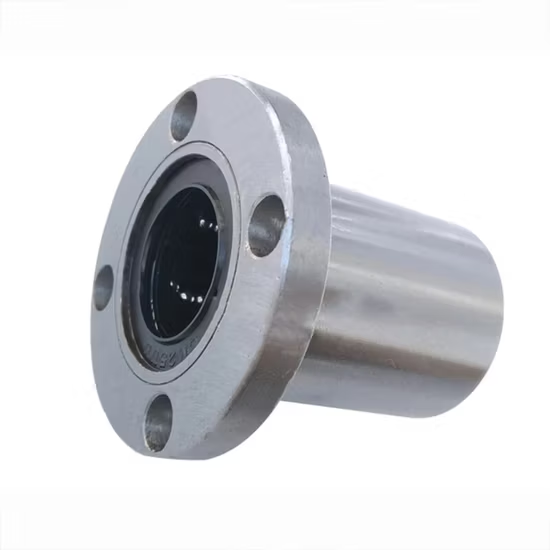
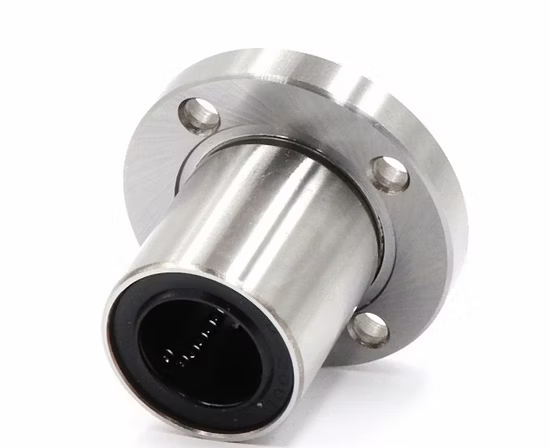
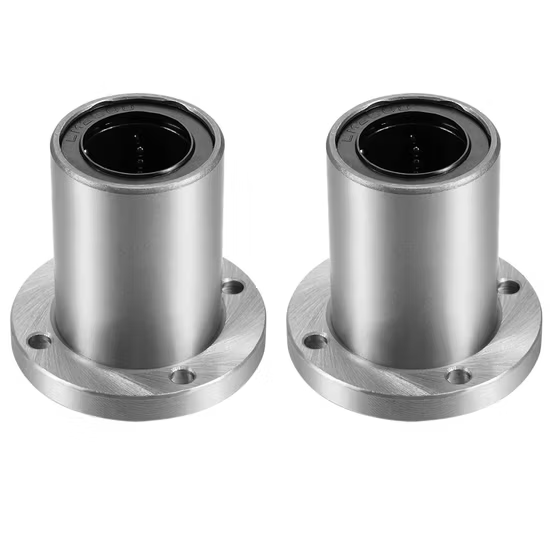
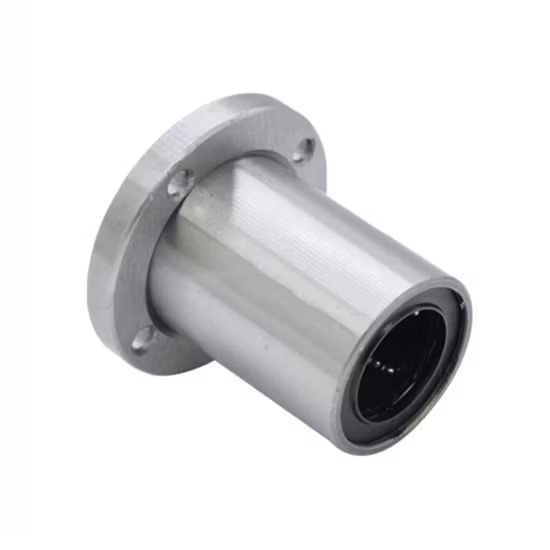
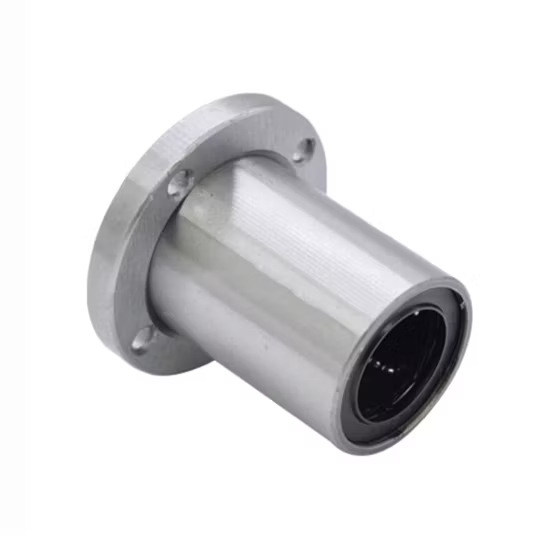
LMF12UU LMF13UU LMF16UU Linear Bearing — circular flange design in bearing steel with nylon cage for high-speed, low-noise linear motion.
Each shipment includes full material test reports and dimensional inspection records for complete batch verification.
Cross-Reference Triad Alignment — matching the circular flange geometry, UU seal configuration, and precision class simultaneously prevents installation interference in linear modules.
| Parameter | Value |
|---|---|
| Designation | LMF12UU LMF13UU LMF16UU |
| Product Type | Linear Bearing |
| Flange Shape | Circular |
| Shape | Open |
| Series | LM |
| Material | Bearing steel (stainless or ceramic variants available) |
| Precision Class | P0, P6, P5, P4, P2 |
| Cage Material | Nylon (metal variants available) |
| Feature | High speed, low noise |
| Origin | Germany, Japan, Sweden, Malaysia, China |
Note: The suffixes LM, F, and UU are treated as unverified and require manufacturer catalog confirmation for exact dimensional cross-referencing.
| Industry | Typical Applications |
|---|---|
| CNC Machinery | High-speed spindle traverse axes and automated tool changers |
| 3D Printing | Precision extruder carriage and heated bed linear motion |
| General Automation | Pick-and-place robotic arms and modular assembly stations |
| Packaging | High-cycle sealing jaws and conveyor diverting mechanisms |
| Textile Manufacturing | Automated yarn winding guides and fabric tensioning rollers |
A microscopic flange misalignment converts smooth reciprocation into catastrophic rail binding.
When procurement engineers source a LMF12UU LMF13UU LMF16UU linear bearing based solely on the base bore diameter, they frequently overlook the circular flange thickness and mounting hole spacing. In automated assembly stations, this oversight forces technicians to shim the mounting blocks, introducing parasitic moments that destroy the nylon cage during high-speed reciprocation. I have inspected scrapped linear modules where the steel balls scored the shaft deeply because the flange parallelism was ignored during the initial cross-reference .
Selecting the correct precision class for a LMF12UU LMF13UU LMF16UU linear bearing dictates the positional repeatability of the entire automated cell. While standard P0 or P6 grades suffice for basic packaging conveyors, multi-axis CNC traverses demand P4 or P2 tolerances to eliminate axis drift. Our technical review process maps your specific positioning requirements to the exact tolerance band, ensuring the linear motion system achieves the intended micron-level accuracy without over-specifying the budget.
Linear motion systems subject the bearing to continuous radial loads and sudden directional reversals, generating immense inertial stress on the rolling elements. At high cycling speeds, inadequate cage clearance causes the nylon retainer to flex and eventually fracture, leading to immediate carriage lockup. Proper lubrication intervals and selecting the correct cage material variant are critical to managing the friction heat generated during rapid acceleration and deceleration phases .
The LMF designation defines a circular flanged, open-type linear bearing designed for rigid, bolted mounting directly to carriage plates. The UU suffix indicates integrated sealing on both ends, which is essential for retaining factory lubrication and excluding abrasive particulates in textile or packaging environments. While the standard bearing steel construction handles high static loads, stainless steel or ceramic variants are available for applications involving washdown protocols or magnetic sensitivity. The nylon cage minimizes rolling noise and reduces the moving mass, allowing the drive motors to achieve higher acceleration rates without overshooting the target position.
Installing counterfeit linear bearings with soft inner sleeves leads to rapid shaft scoring and catastrophic carriage failure, voiding the machine builder's warranty. Under the ISO 15243 framework, this manifests as severe abrasive wear and indentation, destroying the precision ground shaft long before the bearing's theoretical L10 life is reached . The resulting unplanned downtime and replacement of the entire linear guide assembly far exceed the initial savings from sourcing unverified components.
We align the cross-reference on three critical axes: the exact circular flange profile, the internal UU seal friction characteristics, and the specific precision class required by your application. Our batch traceability ensures that every LMF series unit shipped can be tracked back to the manufacturer's production facilities, eliminating the risk of mixed batches with inconsistent preload tolerances. We provide application-based selection reviews that evaluate your specific load, speed, and mounting constraints, preventing the thermal binding that plagues incorrectly specified linear systems.
To facilitate an accurate technical selection and cross-reference review, please provide the radial and axial load profiles, maximum traverse speeds, and operating temperature ranges of your linear modules. Sharing the specific OEM equipment numbers or existing carriage dimensions allows our engineering team to verify the flange geometry and internal clearance requirements. This data ensures the proposed LMF configuration delivers optimal L10 life and positional accuracy for your automation setup.
Q: Why does a matching base bore diameter still result in linear bearing installation failure?
A: Matching the bore ignores the circular flange thickness, mounting hole spacing, and UU seal friction. If the flange profile differs from the carriage design, mounting introduces misalignment that binds the shaft. Cross-referencing must align the exact flange geometry and precision class, not just the inner diameter, to ensure smooth reciprocation.
Q: How do P0 and P2 precision classes affect linear motion system performance?
A: P0 is suitable for general material handling where minor axis drift is acceptable. P2 provides the strict geometric tolerances required for CNC spindles and high-speed pick-and-place robots, ensuring micron-level repeatability. Selecting the wrong grade either compromises machining accuracy or unnecessarily inflates the procurement budget for basic conveyors.
Q: When should I choose a metal cage over the standard nylon retainer?
A: Nylon cages excel in high-speed, low-noise applications due to their low mass and self-lubricating properties. However, if the linear system operates at elevated temperatures beyond the thermal limit of standard polymers, or requires specialized high-temperature lubricants, a metal cage variant is necessary to prevent retainer deformation and subsequent carriage lockup.
Q: How does the UU seal suffix impact linear bearing maintenance?
A: The UU suffix denotes integrated end seals that retain factory grease and block abrasive dust, making the bearing largely maintenance-free in standard automation environments. In extremely contaminated settings like textile manufacturing, these seals are vital, but they do introduce slight friction; understanding this trade-off is crucial for high-acceleration servo applications.
Q: What is the most reliable way to verify the authenticity of LMF linear bearings?
A: Request the original batch and lot traceability documents and use the manufacturer's official app to scan the QR codes on the packaging. Visual inspection alone is insufficient, as counterfeiters often clone codes and use soft inner rings that pass casual checks but fail rapidly under load, causing severe shaft scoring and unplanned downtime.
Our 5-step process ensures every order is engineered, validated, and supported for optimal performance.
Technical needs assessment
Custom specifications
Free samples for $50k+
Pre-shipment inspection
On-site & predictive
Our certified engineers respond within 24 hours with detailed technical specifications, pricing, and lead time information.