01
Consultation
Technical needs assessment


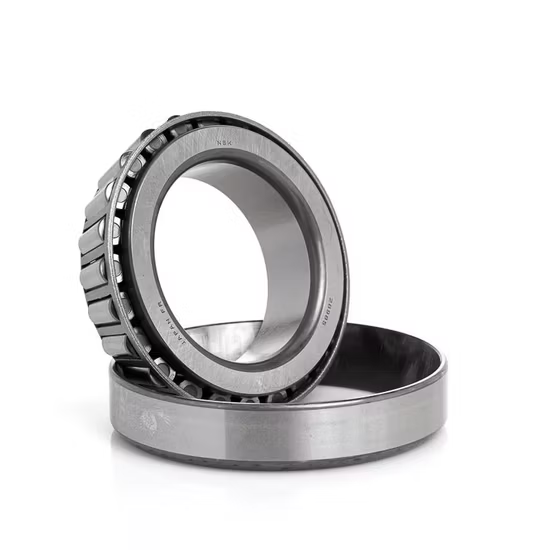
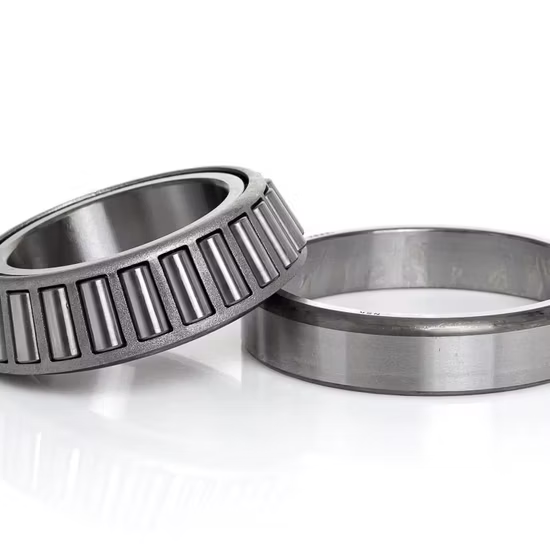
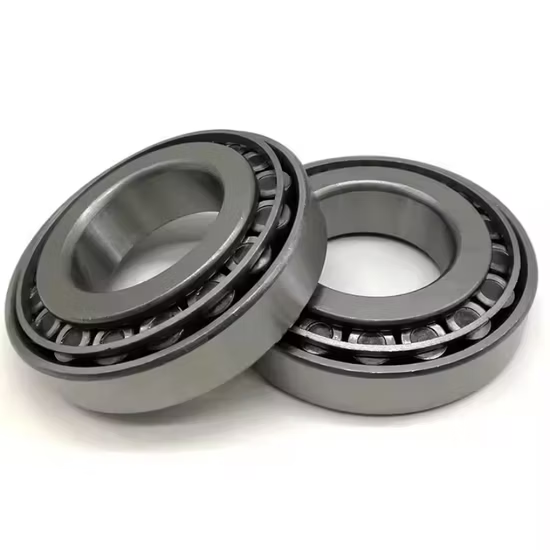
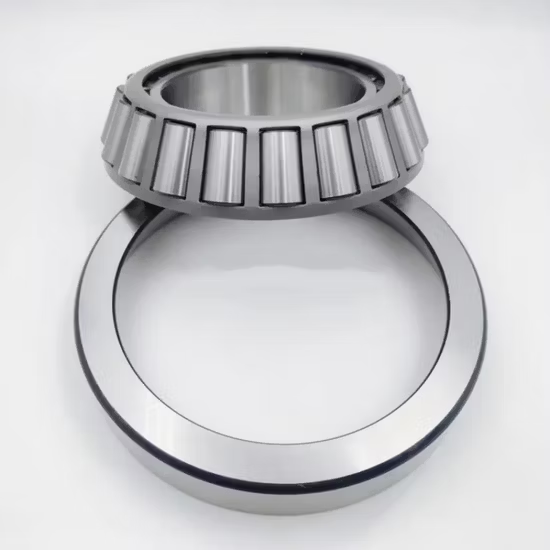
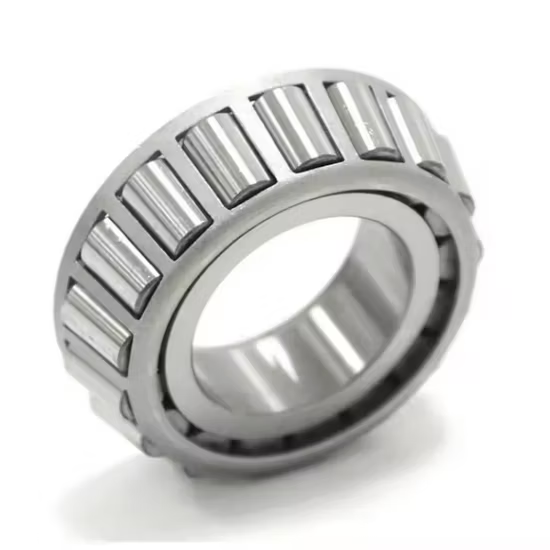
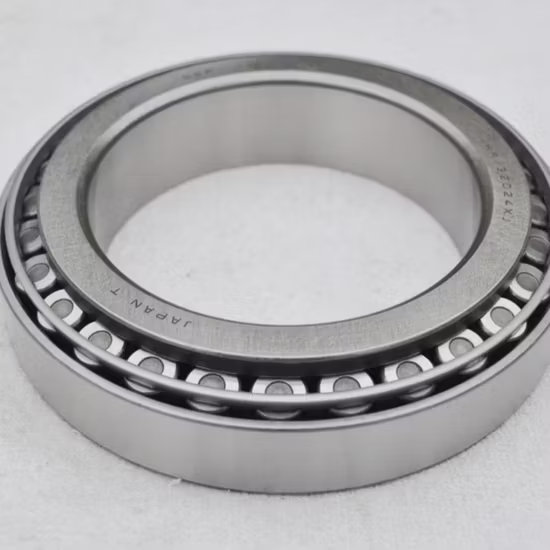
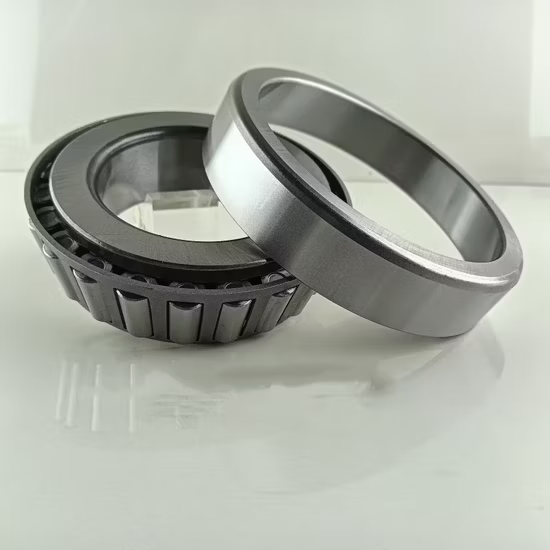
LM503349/10 Tapered Roller Bearing P4 — P4 precision class guarantees strict dimensional and running accuracy for demanding industrial gearboxes and automotive wheel hubs. Manufactured from GCr15 bearing steel, this tapered structure delivers optimal hardness and wear resistance under combined radial and axial loads.
Multi-brand authorized coverage — Consolidate mixed OEM requirements into a single verified shipment, ensuring every cone and cup set carries full manufacturer traceability without juggling multiple suppliers.
| Parameter | Value |
|---|---|
| Designation | LM503349/10 |
| Bearing Type | Tapered Roller Bearing |
| Precision Class | P4 |
| Material | GCr15 bearing steel |
| Cage Material Options | Nylon, Brass, Iron |
| Structure | Taper |
| Origin | Germany, Japan, Sweden, Malaysia, China |
| HS Code | 8482500090 |
| Industry | Typical Applications |
|---|---|
| Automotive & Heavy Transport | Wheel hub assemblies and truck axle differentials |
| Industrial Power Transmission | Heavy-duty industrial gearbox shaft supports |
| Material Processing | Crusher eccentric shafts and marine drive propulsion units |
Matching the base designation is only the first step; ignoring internal geometry variations guarantees premature failure.
When sourcing an LM503349/10 tapered roller bearing for heavy transport or material processing, procurement teams often assume the base number dictates a universal fit. In reality, substituting a standard P0 grade or an incorrect internal profile where P4 precision and specific roller geometries are required leads to rapid thermal binding under combined loads. I have seen crusher eccentric shafts overheat and seize within weeks because a generic replacement was installed without verifying the exact internal design parameters against the OEM specification .
Selecting the correct configuration for this LM503349/10 tapered roller bearing requires aligning the cage material and precision class with the specific rotational speeds and shock loads of the application. Our engineering team reviews your operational parameters to ensure the selected variant handles the axial and radial force vectors without compromising the P4 dimensional accuracy. This targeted selection prevents the micro-spalling that typically plagues mismatched assemblies in industrial gearboxes.
Heavy machinery operating in continuous cycles generates substantial internal heat, which directly impacts the operational clearance of tapered roller bearings. If the thermal expansion of the shaft and housing is not accounted for during the mounting process, the bearing can lose its necessary internal clearance, leading to excessive friction and cage failure. Proper lubrication intervals and selecting the appropriate seal or shield configuration are critical to keeping contaminants out while managing the operating temperature envelope .
The "LM" prefix designates a specific metric series of tapered roller bearings, distinguishing it from inch-series or other metric profiles like the J-series. The 503349/10 identifier specifies the exact inner ring (cone) and outer ring (cup) combination. Achieving P4 precision in this taper structure ensures tighter control over radial and axial runout, which is essential for applications like truck axles where rotational accuracy minimizes vibration. The availability of nylon, brass, or iron cage options allows operators to balance high-speed capability with the extreme shock-load resistance required in building material processing equipment.
Installing a bearing that matches the outer dimensions but lacks the correct internal geometry or precision class results in unplanned downtime and catastrophic damage to adjacent machinery components. When the roller profile does not perfectly match the raceway curvature, stress concentrates at the roller ends, accelerating fatigue far beyond the calculated L10 life expectancy. Such failures not only void equipment warranties but also trigger secondary damage to housings and shafts, multiplying the total cost of ownership .
Sourcing tapered roller bearings across different manufacturers requires more than just matching the alphanumeric string on the nameplate. We validate every cross-reference by checking the internal contact angle, roller profile, and precision tolerance, ensuring a replacement LM503349/10 performs identically to the original equipment. Our batch traceability system links every shipped unit back to the manufacturer's production facilities, eliminating the risk of receiving counterfeit assemblies with soft inner rings. Furthermore, we provide comprehensive dimensional and running accuracy inspection reports to verify the P4 claim before the product leaves our warehouse, giving MRO managers absolute confidence during critical rebuilds.
To ensure the selected bearing meets your exact operational demands, please provide detailed application parameters including radial and axial load profiles, operating speeds, and ambient temperature ranges. Supplying the original equipment manufacturer part numbers or equipment nameplate data allows our technical team to perform a comprehensive cross-reference check and L10 life calculation. This collaborative review process guarantees that the internal geometry and cage material selected will withstand your specific operating environment without premature degradation.
Q: How can I verify the authenticity of the LM503349/10 using official brand applications?
A: Every genuine unit we supply features a manufacturer-applied QR code or data matrix on the packaging and bearing rings. By scanning this code with the official brand application on a mobile device, procurement and MRO teams can instantly verify the production batch, origin, and authenticity, effectively eliminating the risk of installing counterfeit bearings with substandard metallurgy.
Q: What cross-reference checks are necessary beyond just matching the base designation?
A: Matching the base number is insufficient; engineers must verify the internal roller profile, cage material, and precision class. A generic replacement might share the outer dimensions but lack the P4 running accuracy or the specific taper angle required for the application, leading to rapid thermal binding and catastrophic failure under combined loading conditions.
Q: How do I choose between nylon, brass, and iron cages for this application?
A: Cage selection depends on the operational environment. Nylon cages offer excellent high-speed performance and low friction, brass cages provide superior durability under high vibration and shock loads, while iron or steel cages are preferred for extreme temperature applications where polymer limits would be exceeded.
Q: What is the practical difference between standard P0 and P4 precision in tapered roller bearings?
A: P4 precision dictates significantly tighter tolerances for bore, outside diameter, and running accuracy compared to standard P0. In applications like industrial gearboxes or truck axles, this enhanced precision minimizes vibration, ensures even load distribution across the rollers, and substantially extends the operational lifespan of the assembly.
Q: What mounting practices are recommended to preserve the P4 precision of tapered roller bearings?
A: Mounting requires meticulous cleanliness and controlled heating. The inner ring should be heated using an induction heater with strict temperature limits to prevent metallurgical damage. Shaft and housing seats must be measured to ensure proper fit, and the bearing must be seated squarely to avoid distorting the precision-ground raceways during installation.
Our 5-step process ensures every order is engineered, validated, and supported for optimal performance.
Technical needs assessment
Custom specifications
Free samples for $50k+
Pre-shipment inspection
On-site & predictive
Our certified engineers respond within 24 hours with detailed technical specifications, pricing, and lead time information.