01
Consultation
Technical needs assessment


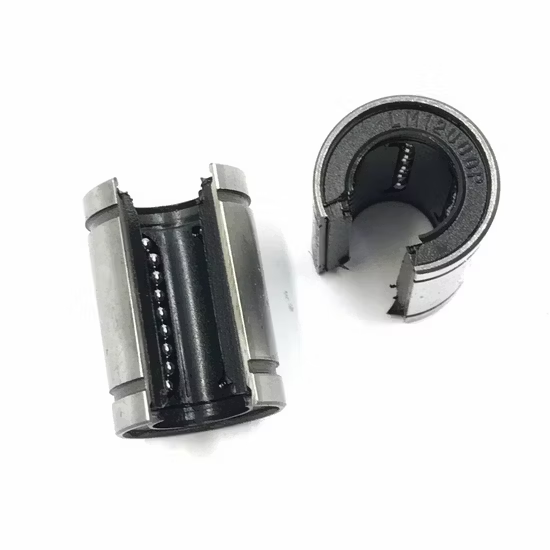
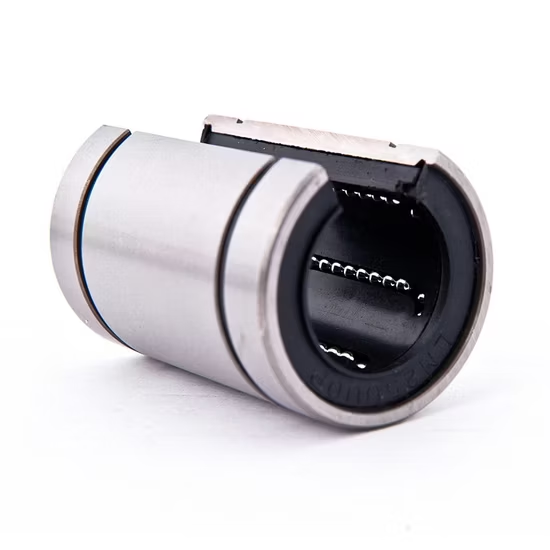


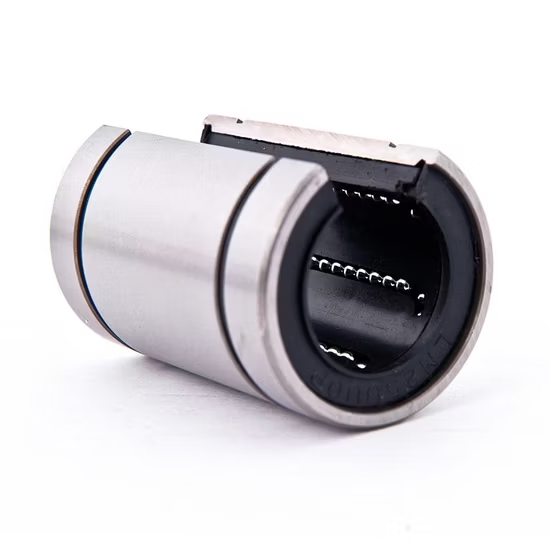
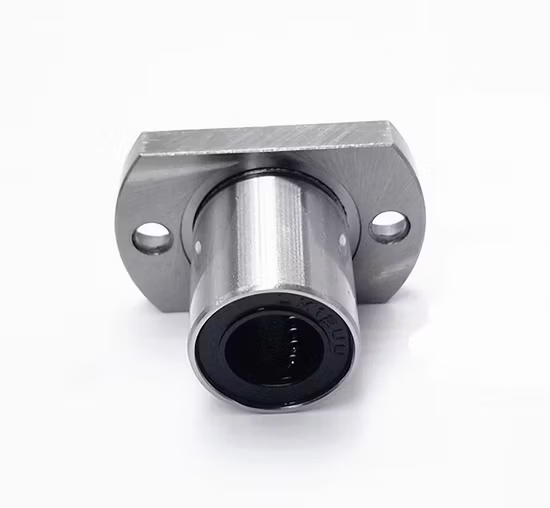
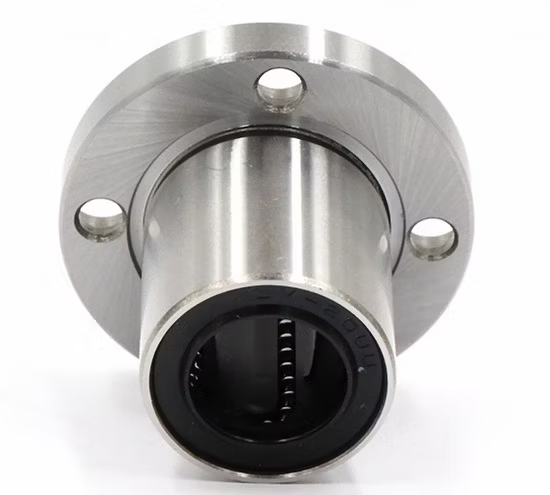
Lm10-Op Lm12-Op Lm13-Op Linear Bearing — Open shape design with bearing steel construction and nylon cages for high-speed, low-noise automation applications.
Multi-brand authorized coverage — Source Lm10-Op, Lm12-Op, and Lm13-Op alongside other automation components in a single consolidated shipment without juggling multiple vendors.
| Parameter | Value |
|---|---|
| Designation | Lm10-Op Lm12-Op Lm13-Op |
| Product Type | Linear Bearing |
| Shape | Open |
| Flange Shape | Circular |
| Material | Bearing Steel |
| Cage Material | Nylon |
| Precision Class | P0, P6, P5, P4, P2 |
| Feature | High Speed, Low Voice |
| Origin | Germany, Japan, Sweden, Malaysia, China |
Note: Specific suffix definitions for Lm and Op remain unverified and require manufacturer catalog confirmation.
| Industry | Typical Applications |
|---|---|
| Automation Equipment | High-speed reciprocating axes in pick-and-place robots |
| CNC Machines | Tool changer mechanisms and secondary sliding guides |
| 3D Printers | Extruder carriage movement and Z-axis lifting modules |
| Packaging Machinery | Form-fill-seal film advancement carriages |
Premature cage fragmentation and rail scoring usually stem from mismatched clearance and inferior retainer materials rather than the steel shaft itself.
In the manufacturing hubs of the Pearl River Delta, I have seen countless automated assembly lines grind to a halt because procurement teams matched the base designation but ignored the internal geometry. When an open-type carriage is forced onto a shaft with improper preload or fitted with a substandard cage, the high-speed reciprocating motion quickly shatters the retainer. . Buyers often assume the base number is enough, overlooking that internal design and cage material dictate survival in continuous cyclic operations.
Selecting the right Lm10-Op Lm12-Op Lm13-Op linear bearing requires looking beyond the outer dimensions to evaluate how the open shell interacts with the shaft under dynamic stress. Our technical team reviews the specific load profile and travel length to ensure the nylon retainer and bearing steel construction align with your machine's acceleration rates. This application-based selection prevents the carriage from binding or chattering during rapid directional changes.
High-speed linear motion generates significant friction heat, which alters the internal clearance between the open shell and the shaft. If the housing tolerances are too tight, thermal expansion will eliminate the necessary running clearance, leading to severe binding. Proper external lubrication intervals are critical, as the open design relies on the housing's internal grease reservoirs to keep the rolling elements coated and prevent contamination ingress. .
The open shape design is engineered specifically for adjustable clearance and precise preload control within a closed housing. By allowing the housing to clamp down on the split shell, operators can eliminate play and achieve the rigidity required for precision machining. The nylon cage material is optimized to maintain low voice and high-speed stability, avoiding the catastrophic fragmentation seen when inferior stamped steel retainers are used as substitutes. Multiple precision ratings are available to match specific machine tool or automation tolerances, ensuring the carriage tracks the shaft without deviation.
Substituting a standard closed bearing for an open-type requirement, or accepting a generic cage material, leads to unplanned downtime and catastrophic damage to the linear shaft. According to failure analysis frameworks like ISO 15243, surface fatigue and cage wear accelerate rapidly when the retainer cannot withstand the inertial forces of high-speed reversals. . This results in warranty voidance and expensive replacements of the entire linear guide assembly.
We provide authorized coverage across all major brands, meaning your mixed-brand automation requirements are handled in one order. Every batch features full traceability to the manufacturer with QR verification through brand official apps. Our cross-brand interchange process matches clearance, cage material, and precision, not just the base designation. We conduct an application-based selection review covering load, speed, and mounting to prevent field failures.
Share your radial loads, travel speeds, and housing dimensions so our engineering team can verify the L10 life and preload requirements. If you are replacing an existing carriage, provide the OEM equipment number for a comprehensive cross-reference check. We will confirm the exact shape, cage material, and precision class needed to keep your automation lines running smoothly.
Q: How do I verify the authenticity and batch traceability of these linear bearings?
A: We supply a Certificate of Conformity and batch traceability documents with every shipment. You can scan the QR codes on the packaging using the manufacturer's official app to instantly verify the origin and production details, ensuring you receive genuine components for your critical automation equipment.
Q: What cross-reference checks are needed beyond the base model number?
A: Matching the base number is insufficient. We verify the open shape, circular flange geometry, nylon cage material, and specific precision class. This comprehensive alignment ensures the replacement carriage fits your housing perfectly and withstands the exact speed and load conditions of your application without premature failure.
Q: How do I choose the right precision class for my automation equipment?
A: Standard P0 or P6 classes suit general packaging machinery, while P5, P4, or P2 are necessary for CNC tool changers and high-precision 3D printers. Share your positioning accuracy requirements and travel speeds with our team, and we will recommend the optimal precision rating to minimize carriage play and vibration.
Q: Why is the nylon cage critical for high-speed and low-noise requirements?
A: Nylon retainers offer excellent sliding properties and lower inertia compared to metal cages, which reduces noise and prevents catastrophic fragmentation during rapid directional changes. Using inferior stamped steel alternatives in high-speed reciprocating applications often leads to early cage failure and severe shaft scoring.
Our 5-step process ensures every order is engineered, validated, and supported for optimal performance.
Technical needs assessment
Custom specifications
Free samples for $50k+
Pre-shipment inspection
On-site & predictive
Our certified engineers respond within 24 hours with detailed technical specifications, pricing, and lead time information.