01
Consultation
Technical needs assessment

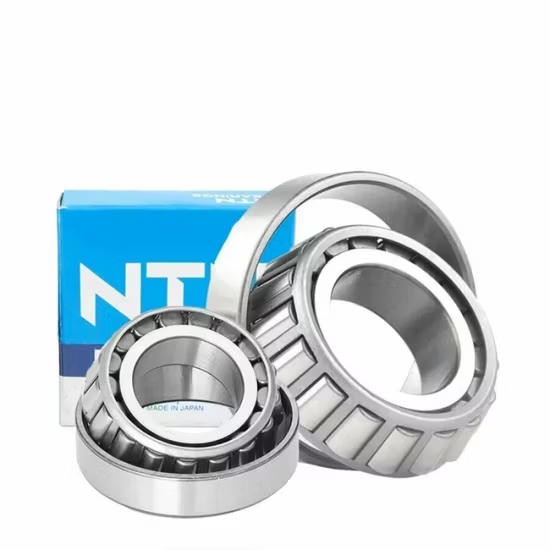
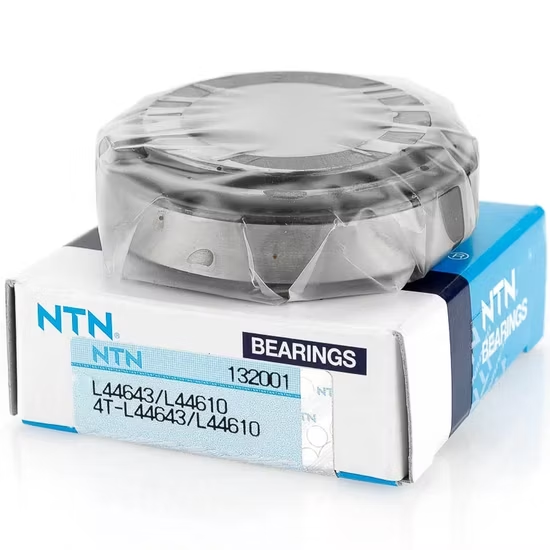
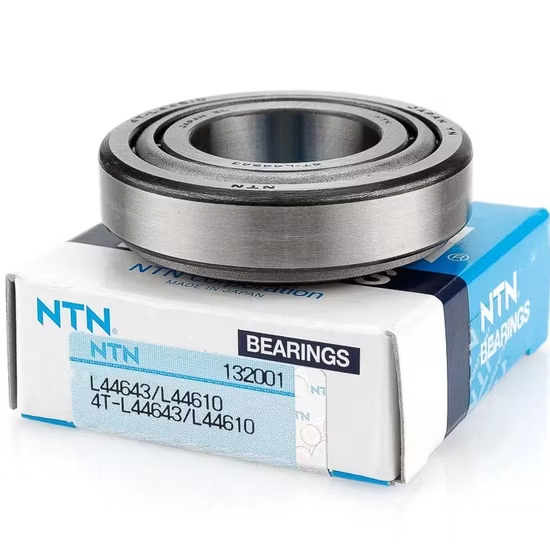
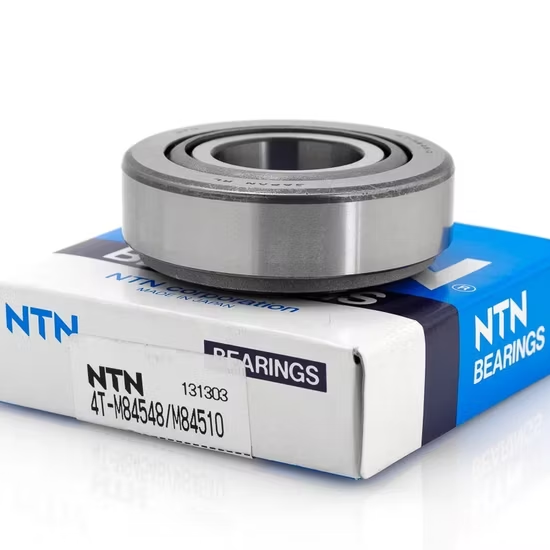
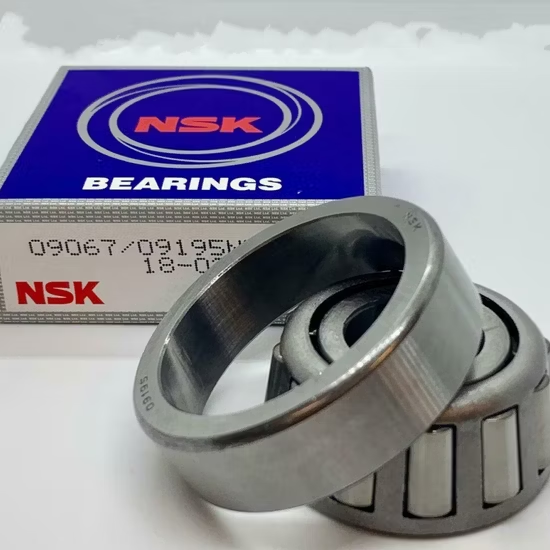
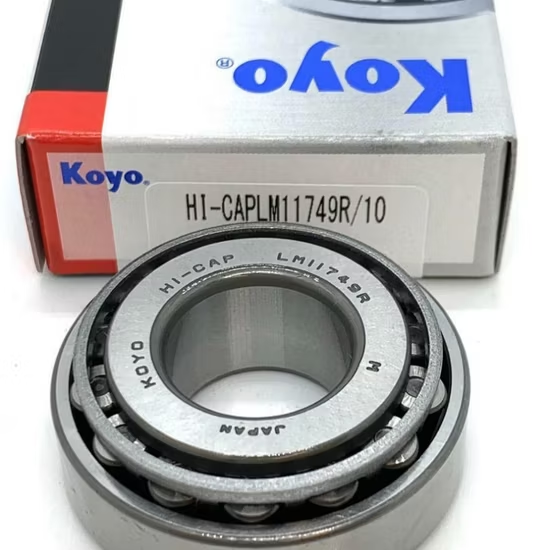
33209 Tapered Roller Bearing P4
Traceable Batch Origins — Every 33209 unit ships with manufacturer lot documentation verifying its Japanese production lineage and material pedigree.
| Parameter | Value |
|---|---|
| Designation | 33209 |
| Bearing Type | Tapered Roller Bearing |
| Bore Diameter (d) | 45 mm |
| Outside Diameter (D) | 85 mm |
| Width (T) | 32.75 mm |
| Number of Rows | Double Row |
| Dimension Standard | Metric |
| Precision Class | P4 |
| Material | GCr15 High-Carbon Chromium Bearing Steel |
| Cage Material Options | Nylon, Brass, or Pressed Steel |
| Origin | Japan |
| Industry | Typical Applications |
|---|---|
| Automotive & Heavy Vehicles | Wheel hub assemblies, truck axle differentials, steering knuckle supports |
| Industrial Power Transmission | Heavy-duty gearbox shaft supports, marine drive reduction gears |
| Material Processing | Building material conveyor drive rolls, crusher eccentric shafts |
Precision directly dictates thermal stability under continuous highway speeds.
When sourcing replacement hub components, procurement teams often settle for standard P0 grades to cut initial costs, overlooking the severe consequences of dimensional deviation. In our years of OE对接 in the Pearl River Delta automotive sector, we observed that standard tolerances generate excessive internal friction during sustained high-speed rotation. This friction rapidly degrades the lubricant film, accelerating raceway spalling. Upgrading to a 33209 tapered roller bearing P4 precision configuration ensures tighter running accuracy, minimizing heat generation and preventing the catastrophic seizure that strands heavy commercial fleets .
Automotive wheel hubs demand components capable of managing complex combined loads without compromising steering geometry. The 33209 tapered roller bearing P4 precision rating provides the exact dimensional control required for modern independent suspension systems. By maintaining strict alignment between the inner and outer rings, this double-row configuration prevents uneven tire wear and eliminates the subtle steering pull that often plagues heavy-duty trucks. Our technical team cross-references OEM equipment numbers to ensure the internal geometry perfectly matches the original housing constraints, avoiding the micro-misalignments that trigger premature fatigue.
Drivetrain environments subject components to extreme thermal cycling and severe particulate ingress. As the hub assembly heats up during prolonged descents or heavy hauling, thermal expansion alters the internal clearance, making the initial assembly preload absolutely critical. If the clearance class is mismatched, the rollers can bind or skid. Furthermore, road salt and fine silica dust constantly threaten the lubrication integrity. Selecting the appropriate cage material and ensuring precise dimensional stability helps maintain the protective oil film thickness, shielding the rolling elements from abrasive wear and corrosion-induced pitting .
The nomenclature of this component reveals its fundamental engineering purpose. The "332" prefix designates a metric double-row tapered roller bearing, specifically engineered to absorb heavy bidirectional axial thrusts alongside substantial radial loads. This is a critical distinction, as confusing it with a single-row metric or inch-series equivalent will result in immediate structural failure under reversing torque. The "09" suffix establishes the 45 mm bore diameter. Upgrading to the P4 precision tier means the manufacturing process enforces exceptionally tight tolerances on the roller profile and raceway angles, ensuring uniform load distribution across both rows of rolling elements and eliminating the edge-stress concentrations common in lower-grade alternatives.
A catastrophic failure in a commercial drivetrain rarely stems from a single overloaded component; it usually begins with a subtle specification error. Years ago, a fleet experienced repeated high-speed axle failures because a supplier substituted a pressed steel cage where a high-strength brass or specialized nylon cage was required by the OEM. The base designation matched, but the cage material could not withstand the specific vibration frequency and thermal load, leading to high-speed fragmentation. Such errors result in unplanned downtime, voided equipment warranties, and secondary damage to the axle housing, costs that vastly outweigh the initial savings on the component .
Sourcing authentic drivetrain components requires more than just matching the alphanumeric designation on the box. Our distribution network provides authorized coverage across major international brands, ensuring that a single order fulfills mixed-brand requirements without compromising traceability. For the 33209 designation, the most common counterfeit error involves cloning the outer packaging while supplying soft inner rings that fail under load. We counter this by providing batch traceability linked directly to the manufacturer's production facilities, verified through official brand applications. Our technical review process checks not just the base number, but confirms the row configuration, precision class, and cage material options against the specific application parameters before the quotation is finalized.
To ensure the selected component perfectly matches your drivetrain requirements, please provide the specific OEM equipment number or the exact housing dimensions for cross-reference verification. Sharing the operational parameters—including maximum radial and axial loads, continuous operating speeds, and expected thermal ranges—allows our engineering team to validate the L10 life calculation and recommend the optimal cage material. If the application involves severe environmental exposure, detailing the contamination level helps us confirm the necessary sealing and clearance adjustments for your specific fleet or machinery.
Q: How can we verify the authenticity of the 33209 tapered roller bearing P4 precision and avoid soft inner rings?
A: Counterfeiters often clone packaging but use inferior steel that fails hardness tests. We supply every unit with manufacturer lot traceability and official QR verification codes. Additionally, we provide dimensional and material inspection reports that confirm the GCr15 steel chemistry and the strict P4 running tolerances, ensuring the internal components meet the exact OEM specifications before they reach your assembly line.
Q: Why must cross-referencing include row configuration and cage material alongside the base 33209 designation?
A: Matching only the base number ignores critical internal design differences. The 332 prefix indicates a double-row metric design capable of handling bidirectional thrust. If a supplier substitutes a single-row or inch-series equivalent, or mismatches the cage material for the operating temperature, the assembly will suffer rapid thermal binding or cage fragmentation under load, leading to catastrophic drivetrain failure.
Q: How do we select the correct cage material for specific wheel hub or gearbox operating temperatures?
A: The optimal cage material depends on the specific thermal and vibration profile of the application. Pressed steel cages suit standard temperatures and high shock loads, while brass cages offer superior durability in high-vibration gearboxes. For wheel hubs requiring lower friction and quieter operation at elevated speeds, specialized nylon cages are preferred. Providing your exact operating parameters allows us to specify the correct variant.
Q: What mounting practices are recommended to preserve the P4 precision rating during installation?
A: Preserving tight tolerances requires strict contamination control and controlled heating. Never hammer the rings into place; use induction heaters with precise temperature limits appropriate for the selected cage material. During hub assembly, apply the exact manufacturer-specified torque to achieve the correct residual clearance, as over-tightening will crush the double-row geometry and generate immediate thermal failure under rotation.
Our 5-step process ensures every order is engineered, validated, and supported for optimal performance.
Technical needs assessment
Custom specifications
Free samples for $50k+
Pre-shipment inspection
On-site & predictive
Our certified engineers respond within 24 hours with detailed technical specifications, pricing, and lead time information.


