01
Consultation
Technical needs assessment

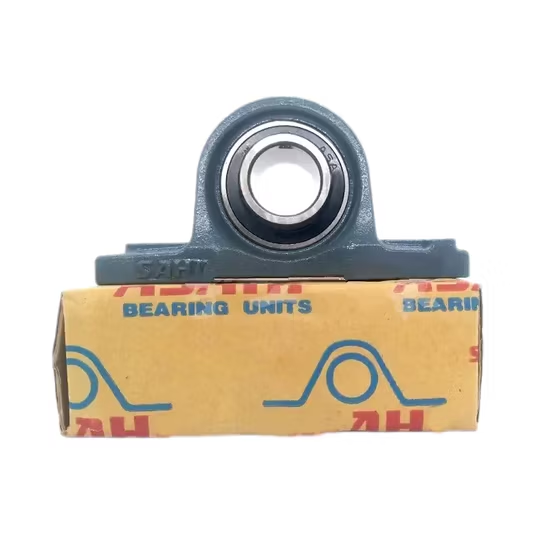
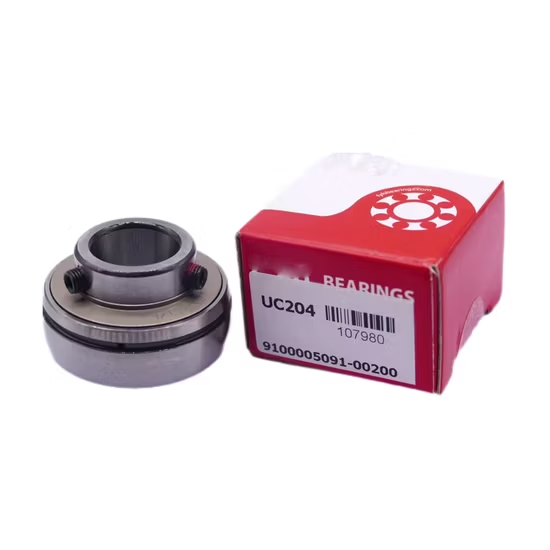
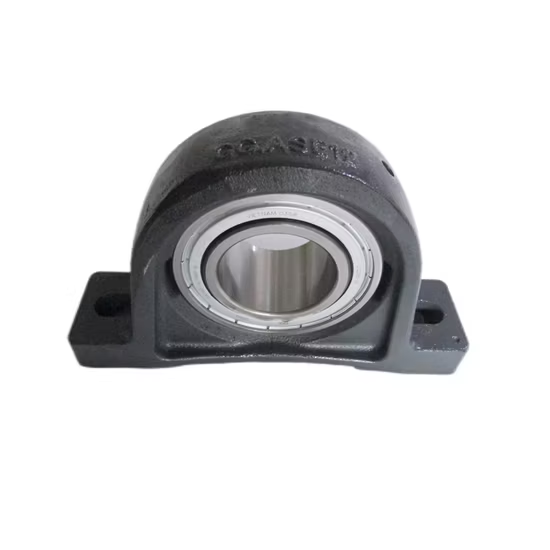
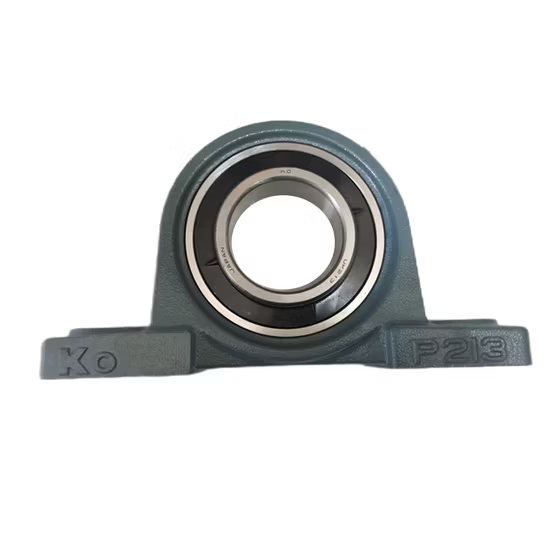
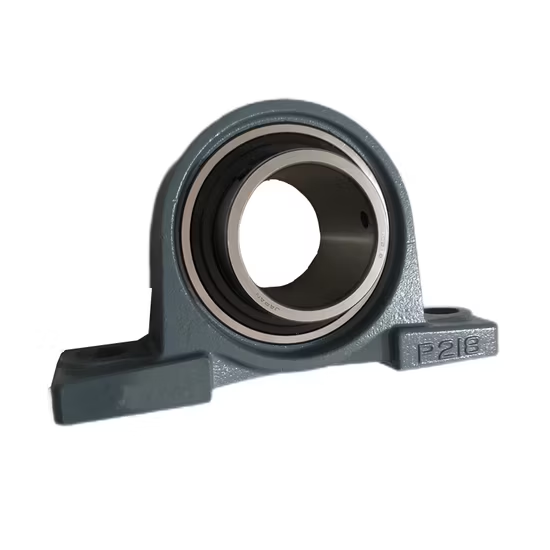
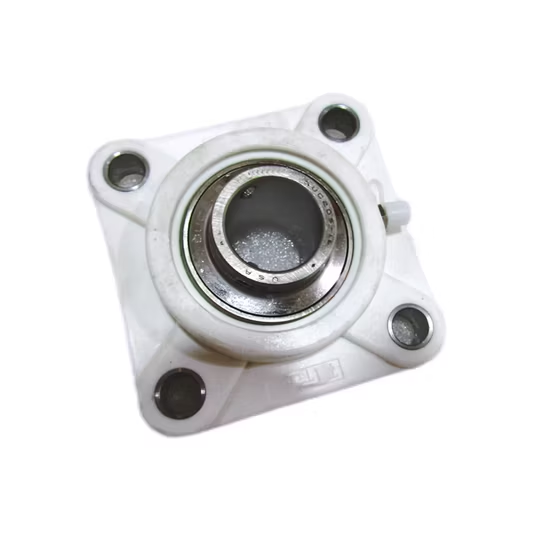
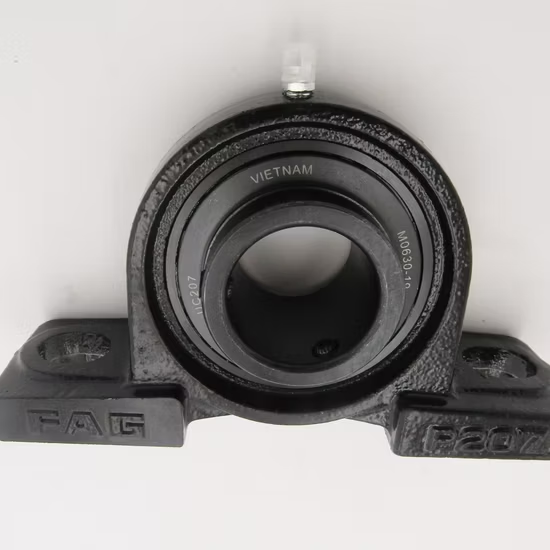
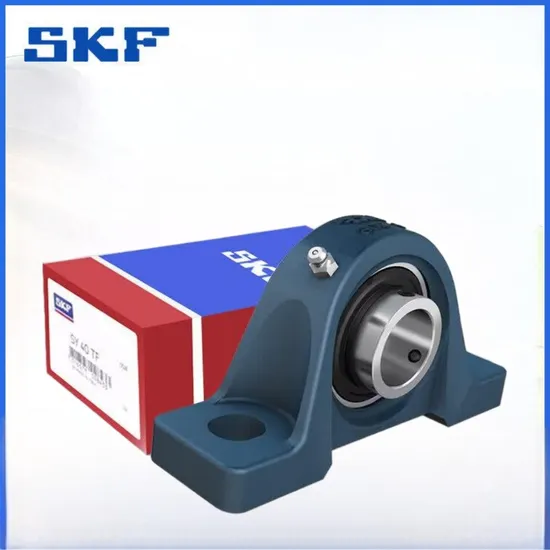
UCP201/UCP202/UCP203/UCP204/UCP205 Pillow Block Units feature cast iron housings with deep groove raceways to handle radial and axial loads in conveyors and agricultural machinery.
Multi-brand authorized coverage — One consolidated shipment handles your mixed UCP201 through UCP205 requirements without coordinating multiple vendors.
| Parameter | Value |
|---|---|
| Designation | UCP201/UCP202/UCP203/UCP204/UCP205 |
| Product Type | Pillow Block Unit |
| Material | Cast Iron housing with bearing steel insert |
| Bearing Block Model | P (Vertical pedestal) |
| Rows Number | Single |
| Raceway | Deep Groove Raceway |
| Feature | Corrosion Resistant, High Temperature, High Speed options |
| Origin | Germany / Japan / Sweden / Malaysia / China |
| Industry | Typical Applications |
|---|---|
| Material Handling | Conveyor belt drive and tail pulley shafts |
| Agricultural Machinery | Grain auger support brackets and harvester drivelines |
| Textile Manufacturing | Loom beam let-off mechanisms and yarn tension rollers |
| General MRO | Exhaust fan shaft supports and light-duty pump bases |
Housing structural integrity matters more than the bearing insert itself.
In my years sourcing components out of Dongguan, I have seen countless UCP204 units fail catastrophically not because the rolling elements wore out, but because the cast iron pedestal fractured under uneven belt tension. When procurement teams focus solely on the internal bearing insert and ignore the metallurgical quality of the housing, the entire assembly becomes the weakest link. A micro-fracture in a substandard casting quickly propagates under continuous vibratory loads, leading to sudden shaft misalignment. This misalignment forces the internal deep groove raceway to bind, generating excessive friction heat that destroys the seals and ultimately seizes the driven equipment . Sourcing from a verified UCP204 pillow block bearing supplier ensures the housing alloy and wall thickness strictly match the OEM engineering drawings.
Conveyor systems subject the shaft to continuous radial loads combined with moderate axial thrust from belt tracking adjustments. The single-row deep groove raceway design inside these units accommodates this combined load profile effectively. By partnering with a reliable UCP204 pillow block bearing supplier, we review your specific belt tension and shaft speed to confirm the internal clearance class is appropriate for the operating temperature, preventing the thermal binding that plagues improperly specified replacements.
Agricultural and material handling environments expose these units to abrasive particulates and occasional washdowns. The primary defense is the sealing arrangement on the bearing insert. If the rubber lip hardens due to cheap materials or incorrect grease, fine dust infiltrates the raceway, acting as a lapping compound that scores the balls and cages. Proper selection requires matching the seal friction torque against your rotational speed to avoid lip burnout, a critical detail we verify during the technical review phase .
The "UC" prefix designates the inner ring insert with a cylindrical bore and grub screw locking mechanism, while "P" specifies the standard vertical cast iron pedestal block. The numbers 201 through 205 indicate the dimensional series, correlating to specific shaft diameters and center-to-base heights. Because these are non-aligning housings, the mounting surface must be machined flat to prevent inducing external misalignment into the deep groove raceway. Understanding this geometry ensures the replacement unit drops into the existing footprint without requiring base plate modifications.
Installing a precision bearing insert into a poorly machined cast iron housing negates any internal manufacturing accuracy. The resulting misalignment causes uneven load distribution across the rolling elements, drastically reducing the calculated fatigue life. According to ISO 281 framework principles, even minor angular misalignment in non-aligning blocks accelerates subsurface fatigue, leading to premature spalling and unplanned line stoppages .
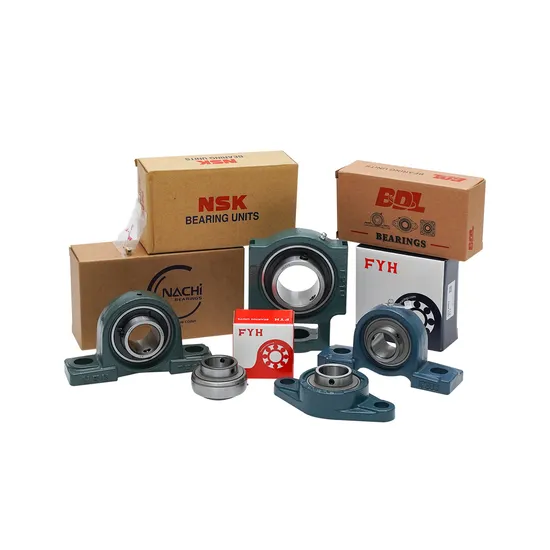
We do not just ship boxes; we validate the cross-reference against your exact OEM equipment number to ensure the internal clearance and seal type match the original specification. Our authorized access to Timken, NSK, NTN, and FYH catalogs means we catch base-number matches that overlook critical internal design differences. Every unit we supply is backed by batch traceability, ensuring you receive genuine components rather than counterfeit assemblies with soft inner rings that fail under load.
To ensure the selected UCP unit matches your machinery, provide the exact OEM equipment model number and the operating environment details, such as dust levels or washdown frequency. Share the continuous radial load, shaft speed, and ambient temperature so our engineering team can verify the internal clearance and seal configuration. Supplying these parameters allows us to perform a precise cross-reference check and recommend the optimal brand variant from our authorized inventory.
Q: How do I verify the authenticity of the UCP204 units upon delivery?
A: Every genuine unit features a unique QR code applied by the original manufacturer. You can scan this code using the brand's official mobile application to instantly verify the batch number, production date, and origin. We also provide physical batch traceability documents that align with the manufacturer's factory records, ensuring complete transparency and eliminating the risk of installing counterfeit components with substandard metallurgy.
Q: Why is cross-referencing more complex than just matching the UCP204 base number?
A: The base number only defines the external housing dimensions and basic bore size. It ignores critical internal variables like radial clearance, seal friction type, and grease fill volume. If you replace a high-temperature factory unit with a standard-clearance variant, thermal expansion will cause the bearing to bind and seize. We cross-reference the complete OEM specification to ensure all internal parameters match your specific operating conditions.
Q: What causes the rubber seals on these pillow blocks to fail prematurely in dusty environments?
A: Premature seal failure usually stems from friction heat generated by excessive shaft speed or improper lubrication intervals. When the elastomer hardens and cracks, abrasive dust enters the deep groove raceway, rapidly destroying the rolling elements. Selecting the correct seal design—such as a triple-lip or flinger arrangement—and adhering to the manufacturer's re-lubrication schedule prevents this degradation and extends the assembly's service life significantly.
Q: How should I tighten the locking mechanism on the inner ring during installation?
A: The inner ring typically secures to the shaft using grub screws or an eccentric locking collar. It is crucial to tighten these fasteners evenly and strictly to the manufacturer's recommended torque values. Over-tightening can distort the inner ring, altering the internal clearance and causing premature fatigue, while under-tightening allows the ring to creep on the shaft, generating severe fretting corrosion and eventual shaft damage.
Our 5-step process ensures every order is engineered, validated, and supported for optimal performance.
Technical needs assessment
Custom specifications
Free samples for $50k+
Pre-shipment inspection
On-site & predictive
Our certified engineers respond within 24 hours with detailed technical specifications, pricing, and lead time information.