01
Consultation
Technical needs assessment

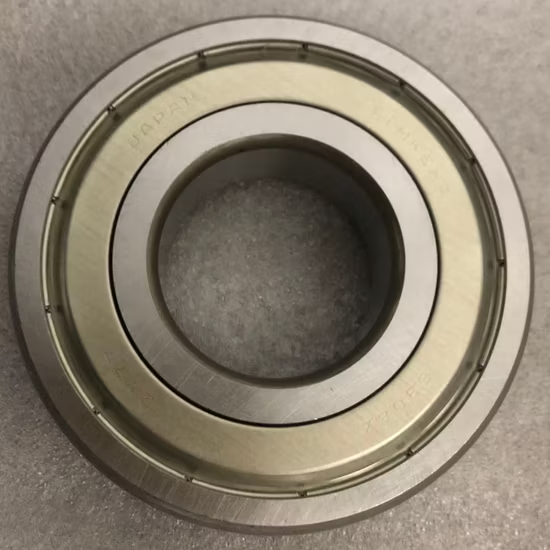
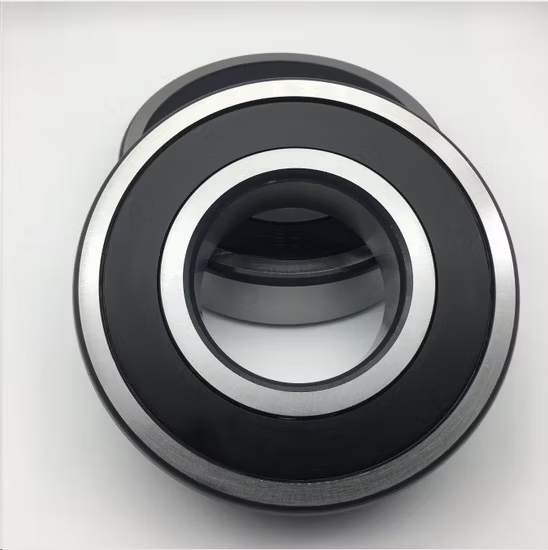
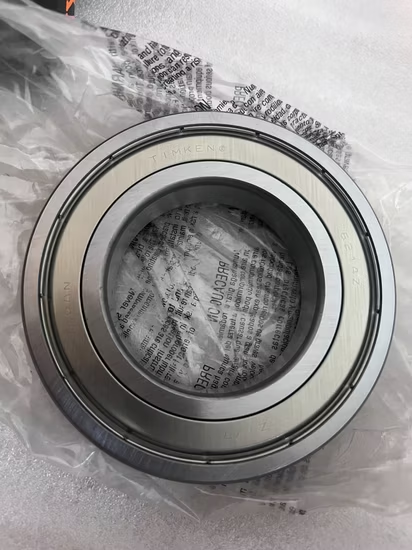
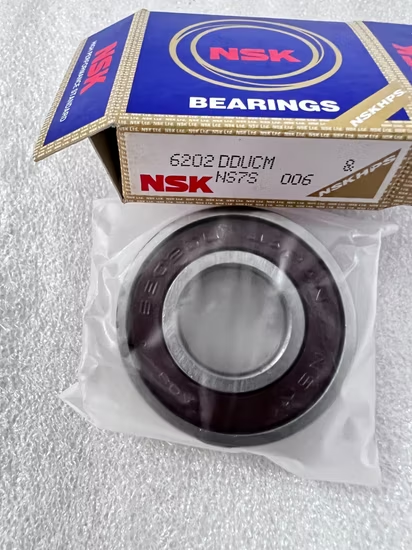
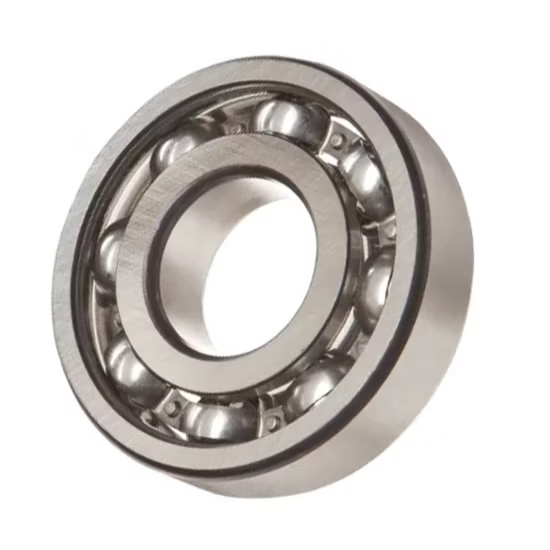

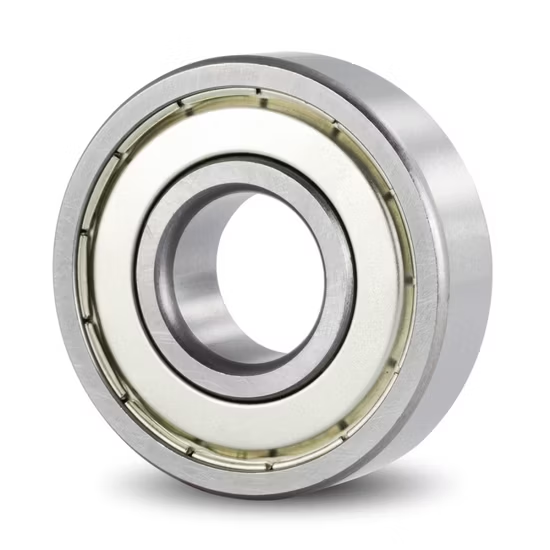
6221 6222 6224 Deep Groove Ball Bearings — CN clearance and P0 precision for general industrial and automotive applications.
Every cross-reference we confirm aligns clearance class, cage material, and precision grade simultaneously to prevent field failures.
Official App Verification — Every 6221 6222 6224 deep groove ball bearing ships with scannable QR codes linked to manufacturer databases for instant authenticity checks.
| Parameter | Value |
|---|---|
| Designation | 6221 6222 6224 |
| Bearing Type | Deep Groove Ball Bearing |
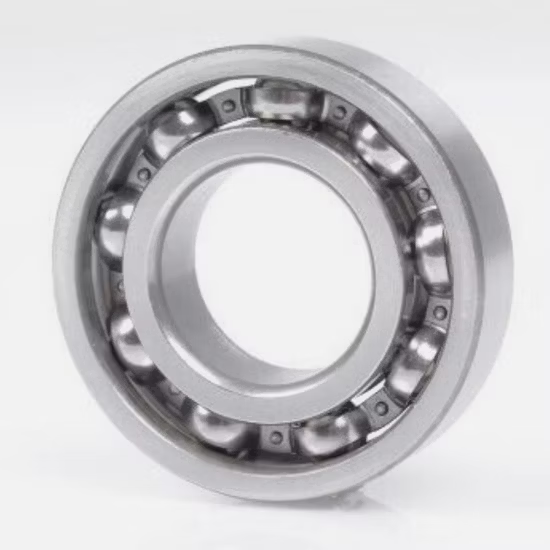
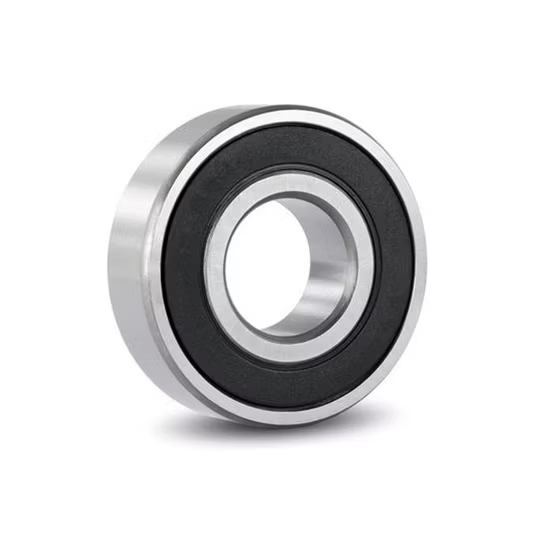
| Seal or Shield Type | Open, Rubber Seals, Iron Seals |
| Vibration and Noise Level | Z1V1, Z2V2, Z3V3, Z4V4 |
| Clearance Class | Normal clearance (CN) |
| Precision Class | Normal precision (P0) |
| Origin | Germany, Japan, Sweden, Malaysia, China |
| HS Code | 848210 |
| Industry | Typical Applications |
|---|---|
| Automotive and Heavy Vehicle | Wheel hub assemblies, alternator pulleys, transmission support shafts |
| Industrial Power Transmission | Electric motor rotors, industrial pump shafts, conveyor drive rollers |
| General Machinery | Gearbox input shafts, agricultural PTO drivelines, material handling idlers |
Matching the base designation without verifying the seal and clearance suffixes guarantees premature failure under thermal stress.
Sourcing replacement parts for heavy vehicle wheel hubs or high-duty electric motors often leads procurement teams to focus strictly on the basic dimension series. I have witnessed the aftermath of this exact oversight in South American mining operations, where standard clearance units were pressed into hub assemblies designed for thermal expansion. As the axle temperatures climbed during continuous downhill hauling, the inner rings expanded and seized the shafts, causing catastrophic friction welding and destroying the entire hub housing . Relying solely on the base number ignores the critical operational context required for these specific heavy-duty applications.
Selecting the correct seal variant for your 6221 6222 6224 deep groove ball bearing dictates its survival in harsh environments. Open variants are ideal for enclosed gearboxes where oil lubrication and heat dissipation are priorities, while rubber seals provide essential contact barriers against moisture and fine particulate ingress in exposed wheel hubs. Iron shields offer a non-contact compromise, keeping out larger debris while minimizing friction heat generation at higher rotational speeds. Our technical review process ensures the selected seal type aligns perfectly with your specific contamination and friction requirements.
Wheel hubs and electric motor rotors subject bearings to complex radial loads and significant temperature fluctuations. When operating temperatures rise, standard CN clearance can rapidly diminish, leading to internal preload and accelerated fatigue. Selecting the appropriate internal clearance is mandatory to accommodate this thermal expansion and maintain the optimal load distribution across the rolling elements. Furthermore, specifying the correct vibration grade, ranging from Z1V1 up to Z4V4, ensures that the bearing's internal geometry and surface finish meet the strict acoustic and smoothness demands of precision electric motors .
Understanding the default specifications prevents dangerous assumption errors during cross-brand interchange. A designation lacking explicit suffixes defaults to normal clearance (CN) and normal precision (P0). While P0 precision is entirely adequate for general automotive and conveyor applications, it lacks the tight geometric tolerances required for high-speed machine tool spindles. Similarly, assuming a standard CN clearance will suffice for a heavily loaded, high-temperature wheel hub is a critical error. We verify every cross-reference to ensure the internal design, clearance class, and precision grade match the original equipment manufacturer's exact engineering intent.
Installing an incorrectly specified bearing triggers a cascade of operational failures that extend far beyond the component itself. An overly tight clearance in a high-heat environment causes thermal binding, leading to cage failure and eventual shaft scoring. Conversely, using an open bearing in a dusty agricultural application results in rapid abrasive wear and unplanned equipment downtime. According to failure analysis frameworks, lubrication starvation and contamination account for a massive share of premature bearing fatalities . These errors routinely void equipment warranties and inflate maintenance budgets through secondary component damage.
We eliminate the guesswork from multi-brand sourcing by providing authorized coverage across all major international manufacturers, allowing you to consolidate mixed-brand orders into a single, fully documented shipment. Our cross-reference protocol goes far beyond matching the base number; we rigorously verify the clearance, cage material, and seal type to prevent field failures. Every unit we supply includes full batch traceability to the original manufacturer, verified through official brand applications. Furthermore, our application-based selection review evaluates your specific load, speed, and temperature parameters to recommend the exact configuration required for your equipment.
To ensure precise application matching, please provide your equipment's operating parameters, including radial and axial loads, maximum rotational speeds, and expected thermal ranges. Supplying the original OEM equipment number or the exact designation currently in service allows our engineering team to perform a comprehensive cross-reference review. Detail the environmental conditions, such as exposure to moisture or abrasive dust, so we can specify the optimal seal type and vibration grade for your specific operational demands.
Q: How can I verify the authenticity of these bearings using official brand applications?
A: Every bearing we supply features a unique, laser-etched QR code linked directly to the manufacturer's secure database. By scanning this code with the official brand application on your mobile device, you can instantly verify the production batch, manufacturing date, and original distribution channel, effectively eliminating the risk of counterfeit products with soft inner rings.
Q: Why is it critical to match clearance and seal types during cross-brand interchange?
A: Matching only the base designation while ignoring suffixes leads to severe operational failures. A standard clearance unit installed in a high-temperature wheel hub will thermally bind and seize, while an incorrect seal type will either overheat from friction or fail to block contamination. Our cross-reference protocol verifies all suffixes to guarantee exact functional equivalence.
Q: What are the operational differences between rubber seals and iron shields?
A: Rubber seals provide a physical contact barrier that excels at blocking fine dust and moisture, making them ideal for exposed wheel hubs, though they generate slightly more friction. Iron shields maintain a small, non-contact gap that offers excellent protection against larger debris while minimizing friction heat, making them better suited for higher-speed electric motor applications.
Q: How do Z1V1 to Z4V4 vibration grades impact electric motor performance?
A: These grades classify the bearing's internal geometric precision and surface finish quality. Higher grades, such as Z3V3 or Z4V4, feature tighter tolerances and smoother raceways, which significantly reduce operational noise and vibration. This is essential for precision electric motors where acoustic performance and smooth rotor dynamics are critical to the overall system efficiency.
Our 5-step process ensures every order is engineered, validated, and supported for optimal performance.
Technical needs assessment
Custom specifications
Free samples for $50k+
Pre-shipment inspection
On-site & predictive
Our certified engineers respond within 24 hours with detailed technical specifications, pricing, and lead time information.