01
Consultation
Technical needs assessment

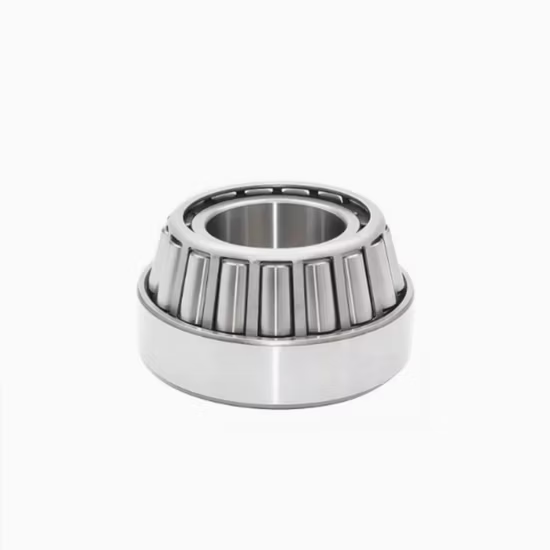
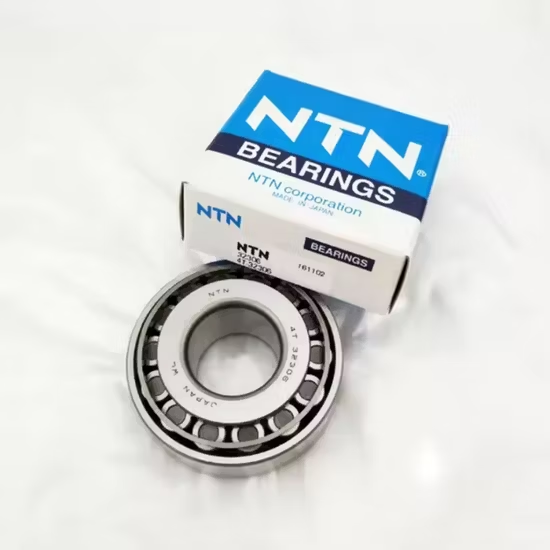
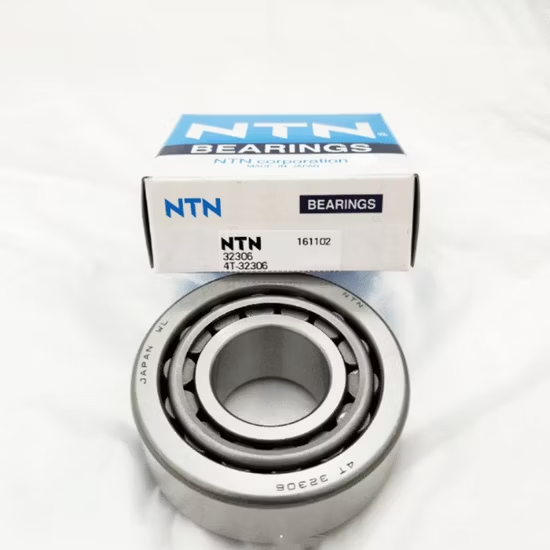
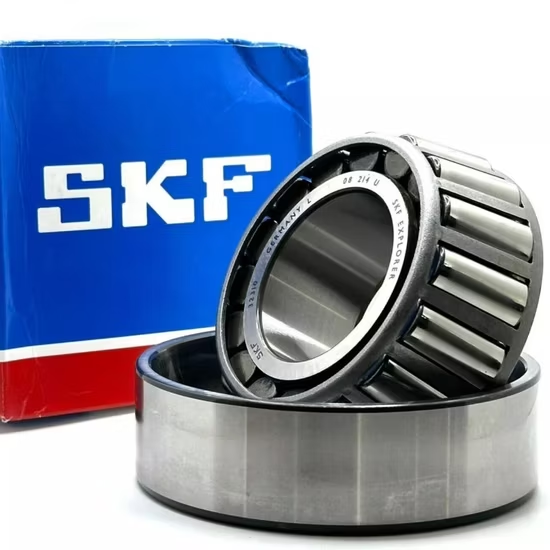
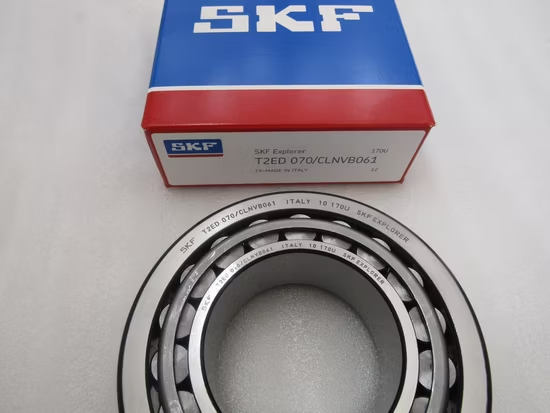
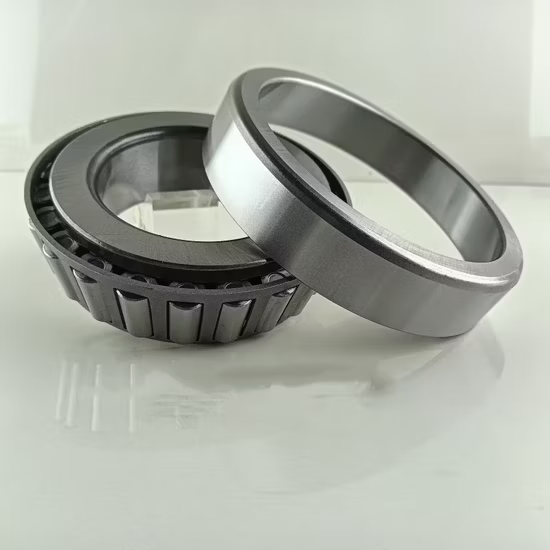
32317 32318 Tapered Roller Bearing P4 Precision — single row structure engineered to handle combined radial and axial loads effectively in agricultural machinery and industrial gearboxes.
Batch-Level Traceability — Every 32317 and 32318 unit ships with manufacturer lot documentation to guarantee metallurgical authenticity and prevent field failures.
| Parameter | Value |
|---|---|
| Designation | 32317 32318 |
| Bearing Type | Tapered Roller Bearing |
| Number of Rows | Single Row |
| Precision Class | P4 |
| Material | GCr15 Bearing Steel |
| Cage Material Options | Available in nylon, brass, or pressed steel variants |
| Origin Options | Sourced from Germany, Japan, Sweden, Malaysia, or China |
| Performance Features | Low Noise, High Speed, Long Service Life |
| Industry | Typical Applications |
|---|---|
| Agricultural Machinery | Heavy-duty tractor final drives and combine harvester threshing cylinders |
| Industrial Gearboxes | Speed reducer intermediate shafts and extruder drive assemblies |
| Manufacturing Plants | Conveyor head pulley shafts and automated transfer line actuators |
Matching the base designation is only the first step; ignoring internal geometry and precision suffixes guarantees premature binding.
In heavy-duty agricultural and industrial environments, assuming a standard replacement will suffice often leads to thermal seizure under peak loads. I have seen entire gearboxes destroyed because a standard clearance bearing was installed where thermal expansion demanded a specific internal gap. When procuring a 32317 32318 tapered roller bearing, overlooking the exact cage material or precision class means the component might physically fit the housing but will fail to survive the operational stress.
Upgrading to P4 precision for these single-row units drastically reduces rotational vibration, which is critical for high-speed industrial gearboxes. Our engineering review ensures the selected 32317 32318 tapered roller bearing matches the exact dimensional tolerances your equipment requires, preventing micro-pitting on the raceways caused by misaligned load zones.
Tapered roller designs excel at managing combined radial and axial forces, but the real challenge lies in thermal management during continuous operation. Elevated temperatures thin the lubricant film, while heavy shock loads from harvesting or material handling demand a cage material that resists deformation. Selecting the correct internal clearance is vital to accommodate shaft expansion without sacrificing the rolling element contact angle.
The P4 precision class ensures tighter running accuracy than standard grades, directly translating to lower operational noise and extended service life in sensitive manufacturing plants. Because cage material dictates the speed and vibration limits, we offer these bearings in nylon, brass, or pressed steel variants. The GCr15 bearing steel provides the necessary core hardness and wear resistance to handle the intense contact stresses inherent in tapered roller applications.
Installing unverified or incorrectly cross-referenced components frequently results in unplanned downtime and catastrophic damage to adjacent shafts and seals. A bearing with a soft inner ring or incorrect internal geometry will spall rapidly under combined loading, voiding equipment warranties and halting production lines. Adhering to ISO 281 life calculation standards requires exact specification matching, not just visual similarity.
We prevent the all-too-common issue of CN clearance being installed where C3 was required for thermal expansion by rigorously checking every suffix and parameter. Every shipment includes cross-brand interchange verification that aligns the base number, precision class, and internal design simultaneously. Our technical team reviews your specific load and speed conditions to confirm the selected variant will achieve its designed fatigue life, eliminating the guesswork from your procurement process.
To ensure the selected components meet your exact operational demands, please provide your radial and axial load calculations, operating speeds, and thermal profiles. Sharing the specific OEM equipment numbers allows our engineering team to perform a comprehensive cross-reference check, confirming that the internal geometry and precision class align perfectly with your application before finalizing the order.
Q: How do we verify the authenticity of the received bearings?
A: Each unit features a traceable batch code and QR label that can be scanned using the manufacturer’s official application. This digital verification confirms the metallurgical origin and production facility, ensuring you receive genuine GCr15 steel components rather than counterfeit parts with soft inner rings that fail under heavy loads.
Q: Why is cross-referencing more than just matching the base number?
A: Matching only the base designation often overlooks critical internal differences like cage material and precision class. A complete cross-reference must align the P4 tolerance, internal clearance, and roller profile to prevent thermal binding and ensure the replacement performs identically to the original equipment manufacturer's specification.
Q: How does P4 precision benefit industrial gearboxes?
A: The tighter dimensional and running accuracy of P4 class bearings significantly reduces rotational vibration and operational noise. This precision maintains optimal load distribution across the tapered rollers, preventing localized stress concentrations and noticeably extending the fatigue life of high-speed gearbox shafts.
Q: Which cage material should we choose for our application?
A: Cage selection depends on your specific speed and temperature constraints. Pressed steel is ideal for standard conditions, brass offers superior durability under high vibration and heavy loads, while nylon variants provide lower friction and noise for high-speed applications. We review your operating parameters to recommend the optimal variant.
Q: What information is needed to confirm the correct internal clearance?
A: Please provide your operating temperature range, shaft material, and interference fit dimensions. This data allows us to calculate the thermal expansion and mounting compression, ensuring the selected clearance class prevents operational binding while maintaining the necessary roller-to-raceway contact for heavy axial loads.
Our 5-step process ensures every order is engineered, validated, and supported for optimal performance.
Technical needs assessment
Custom specifications
Free samples for $50k+
Pre-shipment inspection
On-site & predictive
Our certified engineers respond within 24 hours with detailed technical specifications, pricing, and lead time information.