01
Consultation
Technical needs assessment

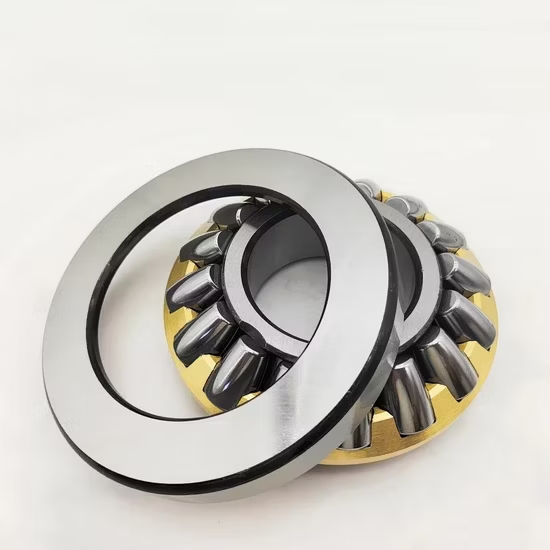
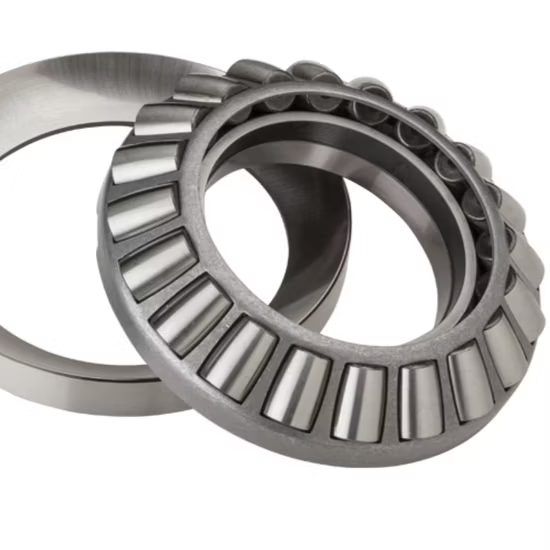
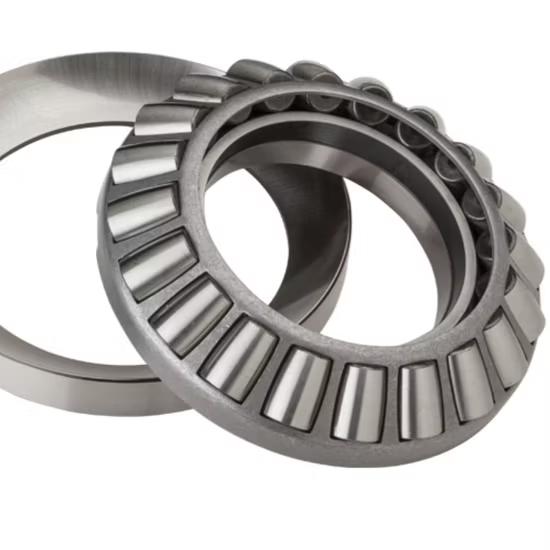

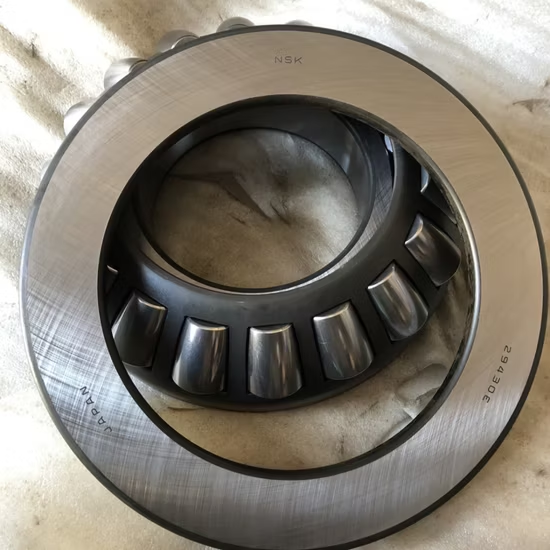
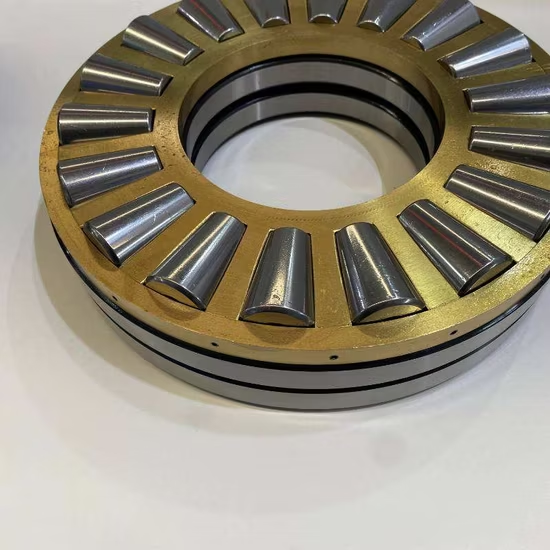
29426 Spherical Thrust Roller Bearing supports heavy axial loads in industrial gearboxes and mining crushers.
Multi-brand authorized coverage — Source genuine 29426 spherical thrust roller bearings alongside other major manufacturer equivalents in a single consolidated shipment with unified documentation.
| Parameter | Value |
|---|---|
| Designation | 29426 |
| Bearing Type | Spherical Thrust Roller Bearing |
| Vibration Level | Z1V1, Z2V2, Z3V3 options |
| Origin | Germany, Japan, Sweden, Malaysia, China |
| HS Code | 8482500090 |
| Certification | Certificate of Conformity, batch traceability |
| Industry | Typical Applications |
|---|---|
| Mining and crushing | Gyratory crusher main shaft thrust arrangements |
| Material handling | Bucket elevator lower drive sprocket support |
| Industrial gearboxes | Heavy-duty extruder gearbox axial load positioning |
| Marine drives | Azimuth thruster vertical shaft thrust carrying |
Internal geometry and clearance dictate survival under extreme axial loads, not just the outer dimensions.
During a cement plant turnaround in Nigeria, I watched a critical kiln drive halt because a logistics mix-up delivered standard clearance instead of the required thermal expansion allowance. The rollers bound up under intense heat, destroying the cage and causing unplanned downtime within hours. Procurement teams often assume the base designation guarantees fitment, overlooking how vital correct internal design is for preventing catastrophic thermal binding. When sourcing a 29426 spherical thrust roller bearing, verifying the exact internal profile and clearance class is the only way to ensure the equipment survives the operational environment .
Selecting the correct variant requires looking past the basic footprint to evaluate the actual axial forces and thermal cycles the equipment endures. We review your specific load profiles and speed parameters to ensure the selected 29426 spherical thrust roller bearing features the appropriate internal geometry and cage design. This application-based selection review prevents the premature wear that occurs when a standard configuration is forced into a high-impact or high-temperature environment.
Heavy machinery generates severe combined loading where axial forces dominate, often accompanied by significant shock impacts that test cage integrity. As operational temperatures rise, the shaft and housing expand at different rates, making the correct internal clearance essential to prevent the rollers from skewing or binding. Adequate lubrication flow must reach the sphered raceway to carry away friction heat, while effective sealing prevents abrasive dust from infiltrating the contact zones. Ignoring these thermal and contamination factors inevitably leads to rapid raceway degradation .
The available vibration levels, ranging from Z1V1 to Z3V3, allow maintenance teams to specify the exact operational smoothness required for sensitive gearbox or marine drive installations. While the base designation lacks explicit suffixes, the internal cage material is a critical variable; machined brass cages are typically favored for high-speed or high-vibration environments, whereas pressed steel cages suit standard heavy-duty applications. Understanding these hidden specifications ensures the component can handle the specific dynamic forces without suffering from resonance-induced fatigue or cage fracture.
Installing a component with mismatched internal clearances or incorrect cage materials inevitably results in catastrophic damage to the surrounding housing and shaft. When thermal expansion is restricted by an overly tight internal fit, the resulting friction generates immense heat, leading to immediate seizure and warranty voidance. Such failures trigger extensive unplanned downtime, forcing maintenance crews to replace entire drive assemblies rather than just the worn component. Adhering to proper selection frameworks outlined in ISO 281 is essential to avoid these compounding financial losses .
Sourcing a mixed-brand order from a single authorized channel eliminates the coordination delays and documentation gaps that plague multi-vendor procurements. We enforce strict cross-reference verification to ensure that any alternative part numbers perfectly align on clearance and precision, not just the base footprint. Every shipment includes unbroken batch traceability back to the manufacturer's production facilities, providing the transparency required for critical infrastructure audits. Furthermore, our technical team reviews your application parameters prior to dispatch to catch potential misalignments before the parts ever reach the site.
To facilitate an accurate selection and cross-reference review, please provide the specific radial and axial load values, operational speeds, and expected temperature ranges for your application. If you are replacing an existing unit, sharing the OEM equipment number or the exact dimensions of the current housing allows our engineering team to verify fitment. Supplying these operational parameters ensures we can calculate the required L10 life and recommend the optimal internal configuration for your machinery.
Q: How can I verify the authenticity of the delivered 29426 units on site?
A: Upon delivery, use the official smartphone application provided by the specific manufacturer to scan the QR code or data matrix printed on the packaging or component. This digital verification confirms the batch origin and validates that the part is a genuine product, protecting your operation from counterfeit units featuring soft inner rings and cloned visual markers that fail under load.
Q: Why is cross-referencing more complex than just matching the base number?
A: Matching the base number only confirms the outer envelope dimensions. A reliable cross-reference must also align the internal clearance, cage material, and precision class to ensure the replacement handles the exact thermal and mechanical stresses of your application. Overlooking these internal variables often leads to thermal binding or cage failure in the field.
Q: What causes thermal binding in standard clearance thrust installations?
A: When heavy machinery operates at elevated temperatures, the shaft expands more than the housing. If a standard clearance component is installed instead of one with the necessary thermal expansion allowance, the internal fit becomes too tight. This restricts roller movement, generates excessive friction heat, and ultimately causes the bearing to seize and destroy the surrounding hardware.
Q: How do I choose between Z1V1 and Z3V3 vibration levels for my equipment?
A: The Z3V3 classification indicates tighter manufacturing tolerances and superior surface finishes, resulting in significantly lower vibration and noise during operation. This higher grade is essential for precision gearboxes or marine drives where smooth operation is critical, whereas Z1V1 is generally sufficient for standard, heavy-duty crushing or material handling applications.
Q: What mounting practices are recommended for spherical thrust roller bearings?
A: Proper installation requires precise alignment of the shaft and housing to prevent edge loading on the rollers. Induction heating is the preferred method for fitting components with interference fits, ensuring uniform expansion without applying destructive mechanical force to the cage or raceways. Always verify the seating surfaces are clean and free of burrs before assembly.
Our 5-step process ensures every order is engineered, validated, and supported for optimal performance.
Technical needs assessment
Custom specifications
Free samples for $50k+
Pre-shipment inspection
On-site & predictive
Our certified engineers respond within 24 hours with detailed technical specifications, pricing, and lead time information.