01
Consultation
Technical needs assessment

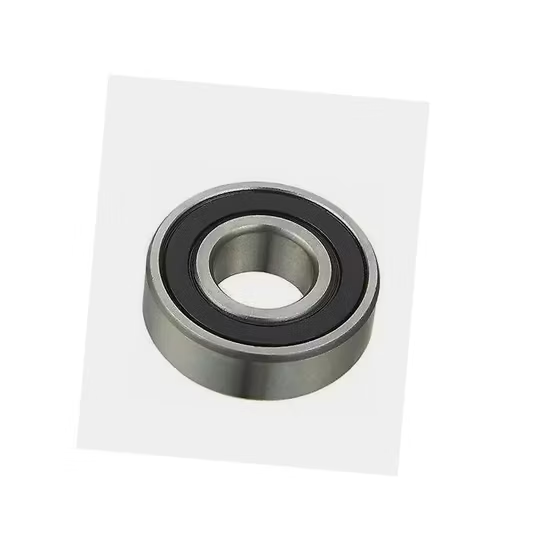
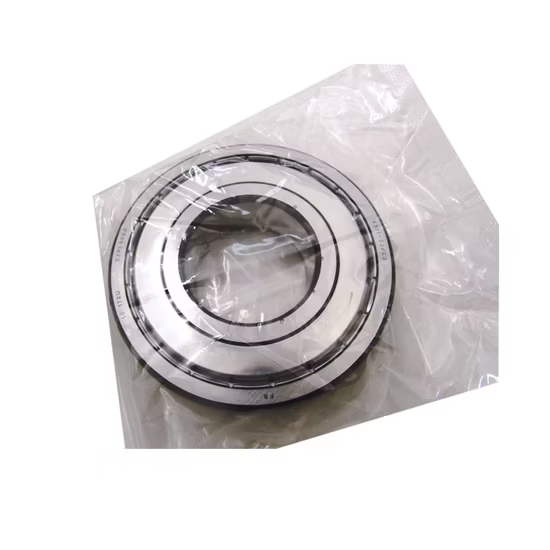
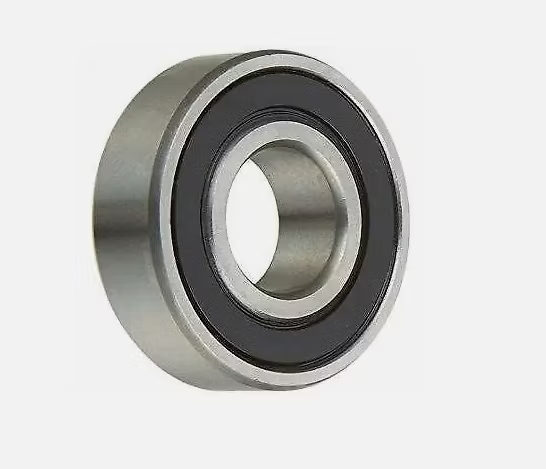
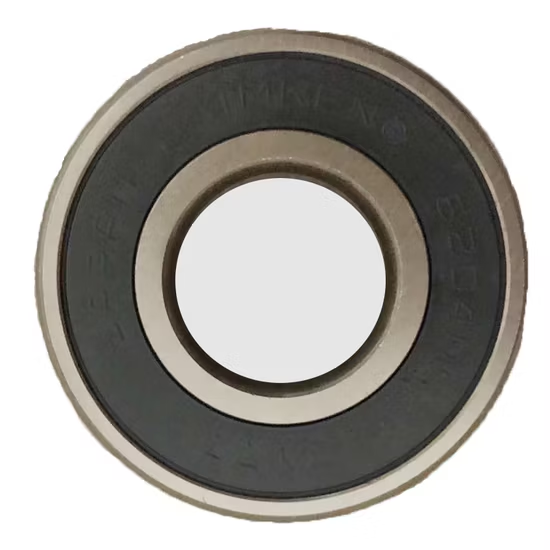
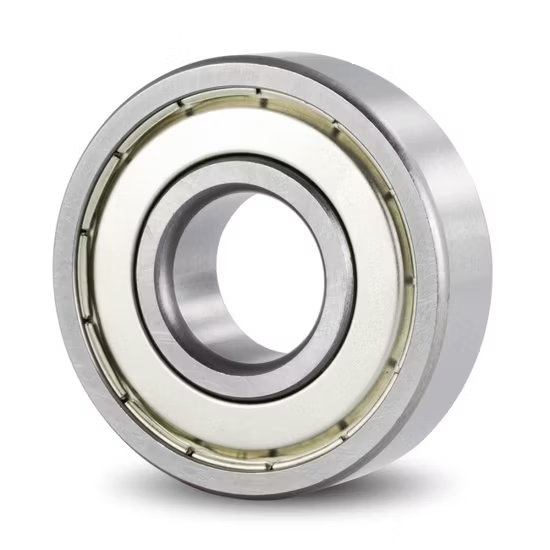
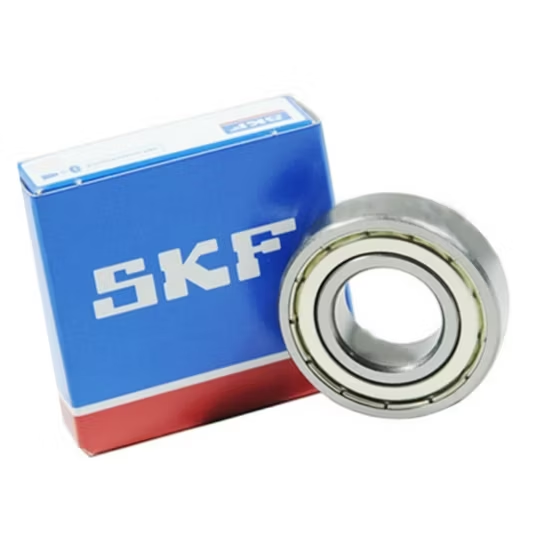
676 677 678 679 2RS Zz Deep Groove Ball Bearing — miniature series covering four bore sizes with dual sealing variants for electric motors and household appliances.
Cross-reference alignment verified — Every 676 677 678 679 2RS Zz deep groove ball bearing cross-reference is checked for internal clearance, cage material, and precision suffix to prevent thermal binding in electric motors.
| Parameter | Value |
|---|---|
| Designation | 676 677 678 679 2RS Zz |
| Bearing Type | Deep Groove Ball Bearing |
| Seal or Shield Type | Double contact seals (2RS), Double steel shields (Zz), Open |
| Quality Level (Noise/Vibration) | Z1V1, Z2V2, Z3V3, Z4V4 |
| Origin | Germany, Japan, Sweden, Malaysia, China (subject to manufacturer catalog verification) |
| Industry | Typical Applications |
|---|---|
| Electric Motors | Rotor shaft support, cooling fan assemblies |
| Household Appliances | Washing machine drum drives, air conditioner blower motors |
| Precision Equipment | Small gearboxes, conveyor drive rollers |
Matching the base designation is never enough when seal friction and internal clearance dictate thermal stability.
Procurement teams frequently approve replacements based solely on the base number, overlooking the fact that substituting a 2RS contact seal for a Zz shield in a high-speed motor generates excessive friction heat. I have seen this exact oversight cause lubricant degradation and premature cage failure on the shop floor. When cross-referencing these miniature bearings, ignoring the noise and vibration grade leads to unacceptable acoustic resonance in household appliances .
Selecting the correct sealing configuration for a 676 677 678 679 2RS Zz deep groove ball bearing determines whether the unit survives dust ingress or succumbs to friction-induced overheating. We review the specific contamination level and rotational speed of your application to ensure the chosen seal type aligns perfectly with the equipment's thermal limits, preventing the dry-out issues I frequently encountered in early trading days.
High-speed electric motors generate significant internal heat, requiring adequate internal clearance to accommodate thermal expansion of the shaft and housing. If the clearance class is too tight, the bearing binds; if too loose, vibration increases. Simultaneously, appliance applications demand strict adherence to Z1V1 through Z4V4 noise and vibration grades to maintain acoustic comfort, making the alignment of both parameters critical for reliable operation .
The distinction between 2RS double contact seals and Zz double steel shields fundamentally alters the operational envelope of these miniature bearings. Rubber 2RS seals provide superior exclusion of fine particulate matter but introduce higher friction torque, making them less suitable for ultra-high-speed spindle applications. Conversely, Zz shields offer minimal friction for high-speed rotation but allow fine dust and moisture to penetrate. Matching the correct Z-level vibration grade ensures the internal geometry and raceway finish meet the acoustic requirements of precision household appliances.
Installing a standard clearance bearing where a C3 equivalent was required for thermal expansion results in catastrophic internal preload and rapid raceway spalling. Using a lower vibration grade in a sensitive appliance motor leads to warranty voidance due to excessive operational noise. According to ISO 281 standards, ignoring these specific suffix and internal design parameters drastically reduces the calculated L10 life, turning a minor procurement saving into massive unplanned downtime and secondary equipment damage .
We maintain authorized distribution channels across all major international brands, allowing a single purchase order to fulfill mixed-brand requirements for your assembly line. Every batch of miniature bearings we supply includes strict cross-reference verification, ensuring the internal design and cage material match your original equipment specifications exactly. Our technical team reviews your application parameters to prevent the costly mismatch of seal types, while our batch traceability protocols guarantee that every unit can be verified back to the manufacturer's production facilities.
To ensure the selected miniature bearing matches your exact operational demands, provide our technical team with your radial and axial load profiles, operating speeds, and ambient temperature ranges. Sharing the original equipment manufacturer part numbers allows us to perform a comprehensive cross-reference check, verifying that the internal clearance and sealing variants perfectly align with your machinery's design intent.
Q: How can I verify the authenticity of these miniature bearings and avoid counterfeits?
A: Counterfeiters often clone visual markers, but they fail to replicate internal metallurgy and precise raceway finishes. We provide original manufacturer batch traceability and QR codes that must be verified directly through the official brand applications. This rigorous validation process ensures the deep groove units you install possess the genuine material properties required for reliable motor operation.
Q: Why is it critical to align clearance and precision suffixes during cross-referencing?
A: A base number match only confirms the physical envelope dimensions. If the internal clearance or vibration grade differs from the original design, the bearing may experience thermal binding or generate excessive acoustic noise in appliances. We verify these specific suffixes to ensure the replacement performs identically to the factory-installed component under actual operating loads.
Q: What are the operational differences between 2RS contact seals and Zz steel shields?
A: The 2RS rubber seals provide excellent exclusion of dust and moisture but generate higher friction, limiting maximum rotational speed. The Zz steel shields offer minimal friction for high-speed electric motors but provide less protection against fine particulate ingress. Selecting the correct variant depends entirely on the contamination level and speed requirements of your specific application.
Q: How do Z1V1 to Z4V4 noise and vibration grades impact appliance performance?
A: These grades dictate the internal geometric accuracy and surface finish of the raceways and rolling elements. A higher grade, such as Z4V4, ensures exceptionally smooth rotation with minimal acoustic emission, which is mandatory for household appliances where operational noise directly affects consumer perception and product warranty compliance.
Our 5-step process ensures every order is engineered, validated, and supported for optimal performance.
Technical needs assessment
Custom specifications
Free samples for $50k+
Pre-shipment inspection
On-site & predictive
Our certified engineers respond within 24 hours with detailed technical specifications, pricing, and lead time information.