01
Consultation
Technical needs assessment

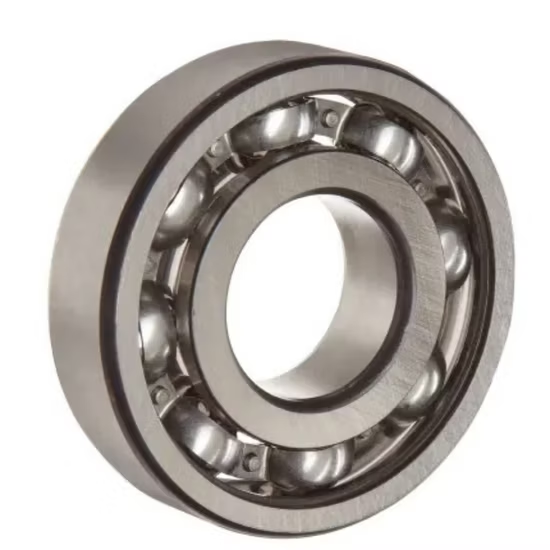


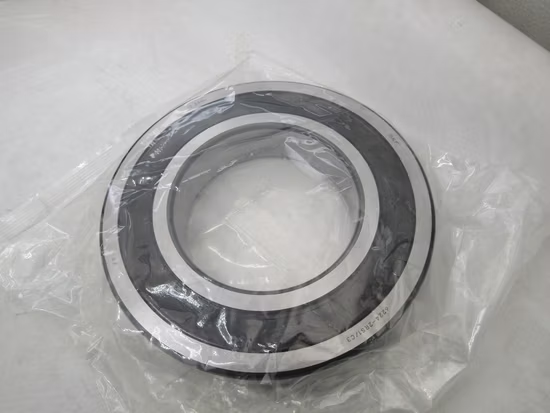
6217 6216 Zz 2RS Deep Groove Ball Bearings deliver reliable chrome steel performance for printing presses and general machinery.
Full Brand Authorization — Consolidate mixed-brand requirements for 6217 and 6216 deep groove ball bearings into a single shipment without juggling multiple suppliers.
| Parameter | Value |
|---|---|
| Designation | 6217 6216 Zz 2RS |
| Bearing Type | Deep Groove Ball Bearing |
| Material | Chrome Steel |
| Seal or Shield Type | Open, Iron Seals (Zz), Rubber Seals (2RS) |
| Vibration and Noise Level | Z1V1, Z2V2, Z3V3, Z4V4 |
| Origin | Germany, Japan, Sweden, Malaysia, China |
| Industry | Typical Applications |
|---|---|
| Printing & Packaging | Printing press impression cylinders, paper feed rollers, folder gluer conveyors |
| General Industrial | Electric motor rotors, industrial gearbox shafts, centrifugal pump impellers |
| Material Handling | Belt conveyor drive pulleys, bucket elevator head shafts |
Seal selection is the difference between a routine maintenance swap and an unplanned line stoppage.
In high-speed printing environments, fine paper dust acts as an abrasive paste. I have walked through pressrooms in the Yangtze River Delta where a standard open bearing absorbed so much particulate that the cage shattered within a single shift. Conversely, specifying heavy contact rubber seals on a high-RPM impression cylinder generates enough friction heat to degrade the grease and cause thermal binding. . Matching the exact seal variant to the contamination level and rotational speed is non-negotiable for reliable operation.
Selecting the correct 6217 6216 deep groove ball bearing requires balancing friction against ingress protection. Our technical review evaluates your specific exposure to paper dust, ink mist, and washdown chemicals to recommend the optimal configuration. We ensure the selected seal type maintains the required operating temperature without sacrificing rotational freedom, leveraging our cross-brand interchange expertise to secure the exact suffix combination your equipment demands.
Printing press cylinders and electric motor shafts impose steady radial loads, but the real challenge is thermal growth. As the equipment reaches operating temperature, the shaft expands, potentially eliminating internal clearance if the wrong class is installed. Proper lubrication intervals and selecting the appropriate clearance class prevent the rolling elements from skidding or binding under thermal stress. .
The iron shields (Zz) provide a non-contact labyrinth that keeps out large debris while allowing higher limiting speeds, making them ideal for clean but fast-rotating electric motors. The rubber contact seals (2RS) offer superior protection against fine paper dust and moisture ingress, though they introduce slightly higher friction. Furthermore, specifying Z3V3 or Z4V4 vibration grades ensures the running accuracy required to prevent chatter marks on printed substrates.
Ignoring the difference between standard CN clearance and C3 thermal clearance often results in catastrophic cage failure once the machinery warms up. Similarly, installing an open bearing in a dusty environment leads to premature raceway spalling and unplanned downtime. These failures not only destroy the bearing but can score expensive shaft journals and void equipment warranties, turning a minor component replacement into a major mechanical overhaul. .
We do not just match base numbers; we verify the clearance, cage material, and precision suffixes to prevent field failures. Our authorized distribution network covers all major international brands, meaning your mixed-brand MRO requirements are fulfilled from a single, traceable source. We catch cross-reference errors before shipment, ensuring that a replacement part matches the exact internal design and sealing arrangement your printing press or gearbox requires.
Share your radial and axial load profiles, operating temperatures, and shaft speeds so our engineering team can validate the L10 life and recommend the precise clearance and seal suffix. If you are replacing an existing unit, provide the OEM equipment number or the exact nameplate designation for a comprehensive cross-reference check. This ensures the proposed configuration perfectly aligns with your operational environment and prevents costly misapplications.
Q: How do I choose between Open, Zz, and 2RS seals for my printing press?
A: Open bearings suit clean, oil-lubricated gearboxes. Zz iron shields offer low-friction protection for high-speed motors in relatively clean areas. 2RS rubber seals provide maximum defense against fine paper dust and ink mist, though they run slightly hotter. We evaluate your specific contamination level to recommend the exact suffix.
Q: Why is matching the clearance suffix critical during cross-brand interchange?
A: A base number match is insufficient if the internal clearance differs. Installing a standard CN clearance bearing in an application requiring C3 for thermal expansion will cause the bearing to bind and fail as the shaft heats up. We verify all suffixes to ensure exact operational equivalence.
Q: What do the Z1V1 to Z4V4 vibration levels mean for my equipment?
A: These grades indicate the bearing's noise and vibration quality. While Z1V1 is standard for general machinery, printing press impression cylinders and precision spindles require Z3V3 or Z4V4 to prevent microscopic vibrations that cause visible chatter marks on the final printed product.
Q: How can I verify the authenticity of the bearings upon delivery?
A: Every unit we supply features full batch traceability. You can scan the QR codes on the packaging using the official mobile applications of the respective brands to instantly verify the manufacturing origin, lot number, and authenticity of the product.
Q: What is the risk of using standard clearance in high-temperature applications?
A: Standard CN clearance leaves minimal room for thermal expansion. When the inner ring heats up and expands on the shaft, the internal clearance disappears, leading to excessive preload, extreme friction, and rapid catastrophic failure. C3 or C4 clearances are essential to accommodate this thermal growth.
Our 5-step process ensures every order is engineered, validated, and supported for optimal performance.
Technical needs assessment
Custom specifications
Free samples for $50k+
Pre-shipment inspection
On-site & predictive
Our certified engineers respond within 24 hours with detailed technical specifications, pricing, and lead time information.