01
Consultation
Technical needs assessment


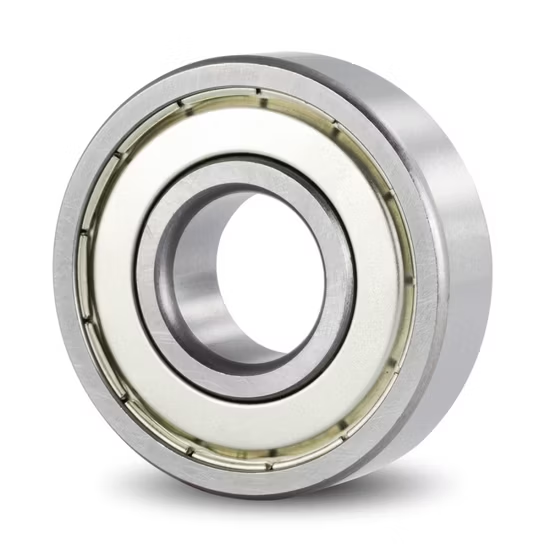
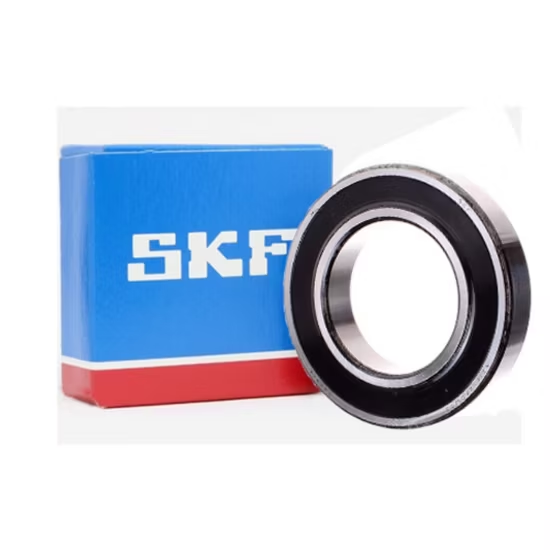


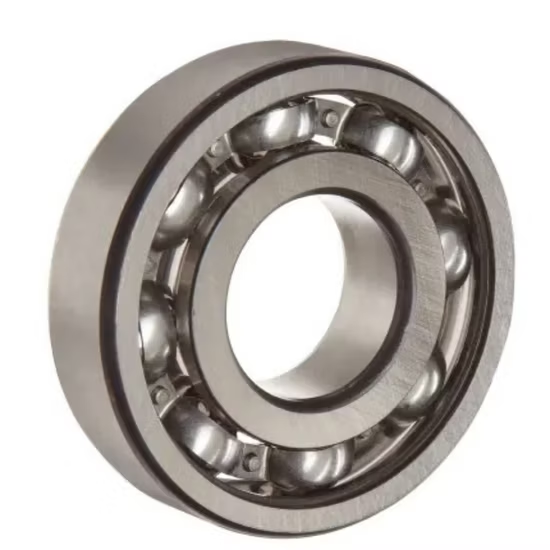
6008 2z/2RS1 Deep Groove Ball Bearing — manufactured from GCr15 steel for stable operation in electric motors and industrial gearboxes.
Multi-brand authorized coverage — Consolidate mixed-brand motor bearing requirements into a single shipment with full batch traceability across all major international manufacturers.
| Parameter | Value |
|---|---|
| Designation | 6008 2z/2RS1 |
| Bearing Type | Deep Groove Ball Bearing |
| Structure | Single Row |
| Material | GCr15 high-carbon chromium bearing steel |
| Seal or Shield Type | 2Z (Double steel shields) / 2RS1 (Double contact seals) / Open |
| Noise Level | Low Noise |
| Origin | Shanghai |
| Industry | Typical Applications |
|---|---|
| Electric Motors | Rotor shaft support requiring low noise and stable radial load capacity |
| Industrial Gearboxes | High-speed input shafts needing reliable contamination protection |
| Manufacturing Plants | Conveyor drive pulleys and general MRO rotating equipment |
A base number match means nothing if the internal clearance and sealing suffixes ignore the thermal expansion of your specific motor housing.
During my failure analysis years in Shandong, I saw countless single-row bearings lock up simply because standard CN clearance was forced into high-temperature motor applications that demanded C3. Procurement teams often approve orders based solely on the base designation, overlooking how incorrect seal friction or cage materials trigger catastrophic thermal binding .
Selecting the right configuration for electric motors requires balancing contamination exclusion with friction management. We review your specific motor housing tolerances and operating temperatures to ensure the 6008 2z/2RS1 deep groove ball bearing delivers the required low-noise performance without generating excess internal heat.
Electric motor shafts experience rapid temperature gradients that drastically alter internal clearance during startup and continuous operation. If the seal type generates too much friction, the localized heat degrades the lubricant, while inadequate shielding allows conductive dust to contaminate the raceways . Balancing these thermal and environmental variables is critical to preventing premature seizure.
The 2Z suffix indicates double steel shields, providing a non-contact barrier that excels in high-speed motor applications where minimizing friction and heat generation is paramount. Conversely, the 2RS1 suffix designates double contact seals, which offer superior exclusion of fine particulate matter and moisture at the cost of slightly higher rotational torque. Understanding this trade-off ensures the bearing aligns with the specific pollution level and speed profile of the equipment.
Installing a bearing with the correct bore and outside diameter but the wrong internal clearance frequently leads to unplanned downtime and catastrophic damage to the motor windings. When thermal expansion eliminates the internal clearance, the resulting metal-to-metal contact destroys the raceways and voids equipment warranties. These failures rarely stem from material defects, but rather from a fundamental mismatch between the selected suffix and the actual thermal environment .
We cross-reference not just the base number, but strictly align the clearance, cage material, and sealing suffixes to prevent field failures. Every batch is verified for authenticity, eliminating the risk of counterfeit bearings with soft inner rings that pass casual visual inspections. Our technical team reviews your motor load and speed parameters to confirm the selection before shipment. We consolidate mixed-brand requirements into single traceable orders, and provide full documentation to support your quality audits.
To ensure the selected configuration perfectly matches your application, please provide the radial and axial loads, operating speeds, and expected temperature ranges of your electric motors. Sharing the OEM equipment numbers allows our engineering team to perform a precise cross-reference check and verify the L10 life calculation. This technical review guarantees the bearing suffixes align with your specific operational demands.
Q: Why do identical base numbers fail when cross-referencing between brands?
A: Base numbers only define the physical envelope dimensions. If the cross-reference ignores the internal clearance, cage material, or sealing suffixes, the replacement might suffer from thermal binding or inadequate contamination protection. We verify all three parameters to ensure the replacement matches the original equipment manufacturer's exact engineering intent.
Q: How do I choose between 2Z shields and 2RS1 contact seals?
A: The 2Z steel shields offer minimal friction, making them ideal for high-speed electric motors where heat generation must be strictly controlled. The 2RS1 rubber contact seals provide a tighter physical barrier against fine dust and moisture, which is necessary for harsher environments, though they introduce slightly higher rotational torque and temperature limits.
Q: What happens if standard CN clearance is used instead of C3 in a hot motor?
A: Electric motors generate significant internal heat during operation, causing the shaft and housing to expand at different rates. Standard CN clearance may completely disappear under these thermal loads, leading to excessive preload, extreme friction, and eventual seizure. C3 clearance provides the necessary thermal expansion room to maintain a stable operational film.
Q: How can I verify the bearings are not high-quality counterfeits?
A: Modern counterfeits often feature cloned QR codes and visually perfect markings. We supply genuine products with verifiable batch traceability. You can authenticate the bearings using the official brand applications and cross-check the physical dimensions and running accuracy against the provided inspection reports to ensure absolute compliance.
Our 5-step process ensures every order is engineered, validated, and supported for optimal performance.
Technical needs assessment
Custom specifications
Free samples for $50k+
Pre-shipment inspection
On-site & predictive
Our certified engineers respond within 24 hours with detailed technical specifications, pricing, and lead time information.