01
Consultation
Technical needs assessment

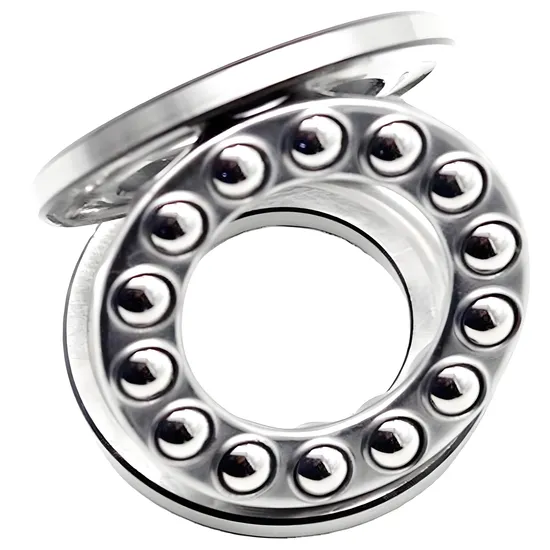
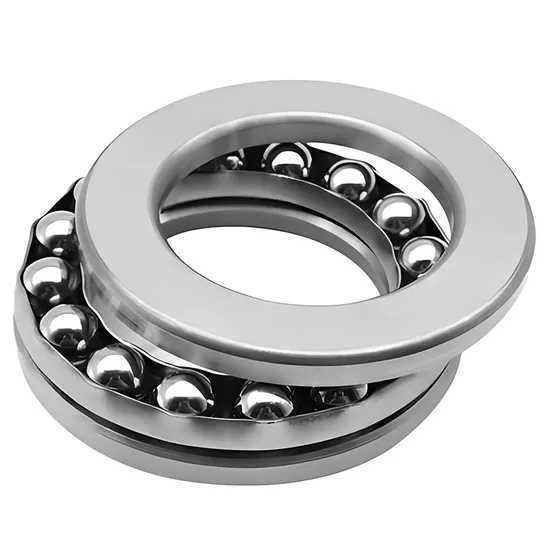
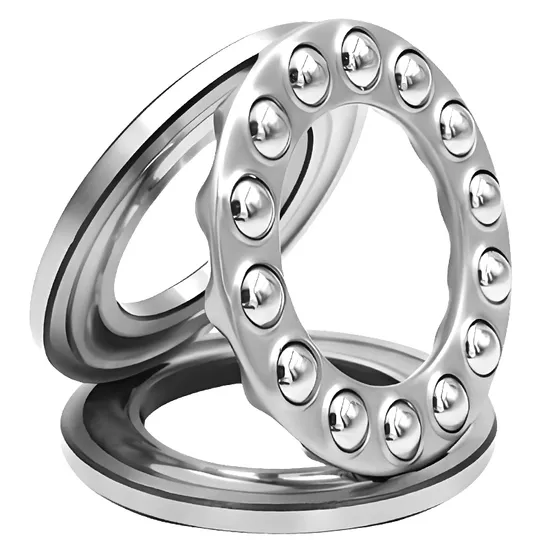
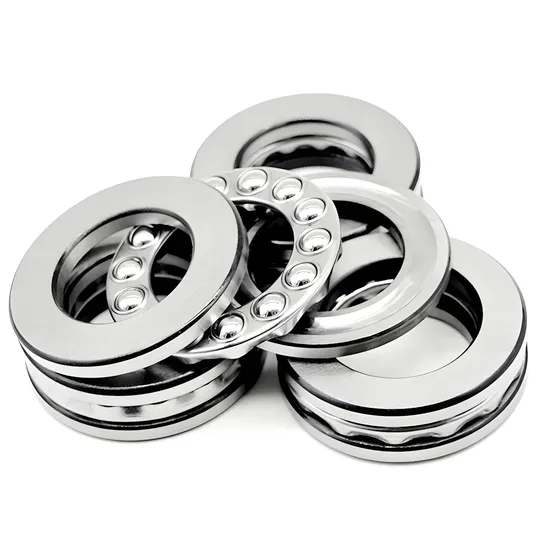
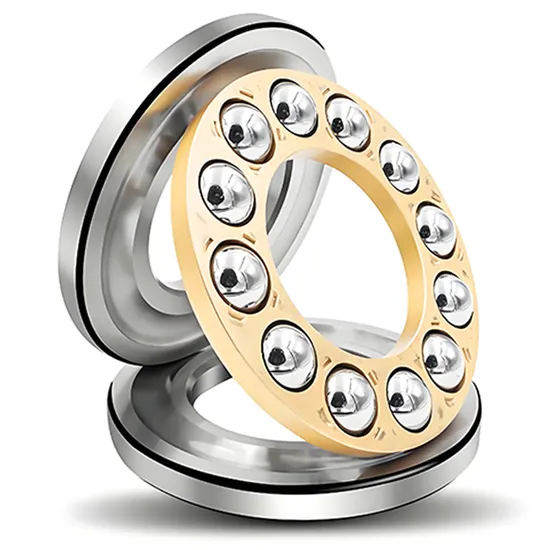
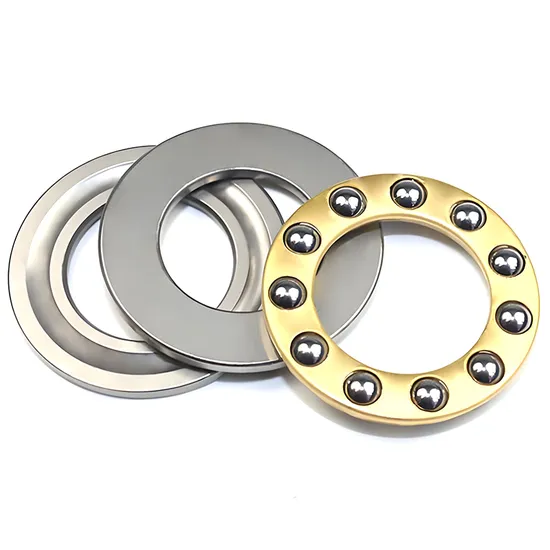
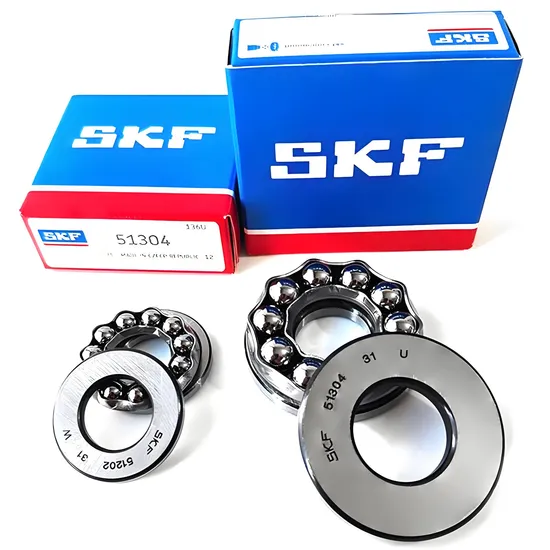
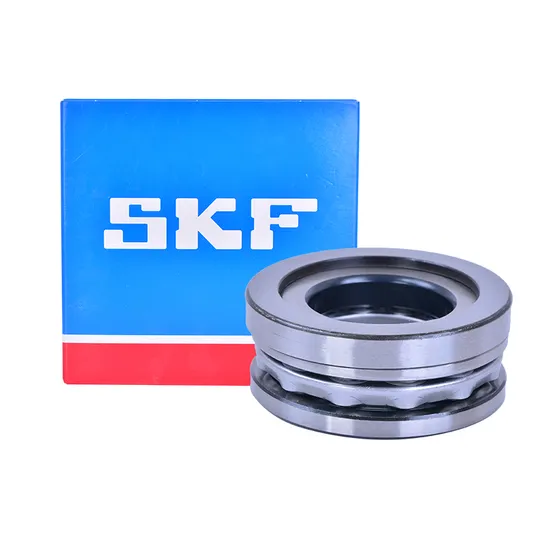
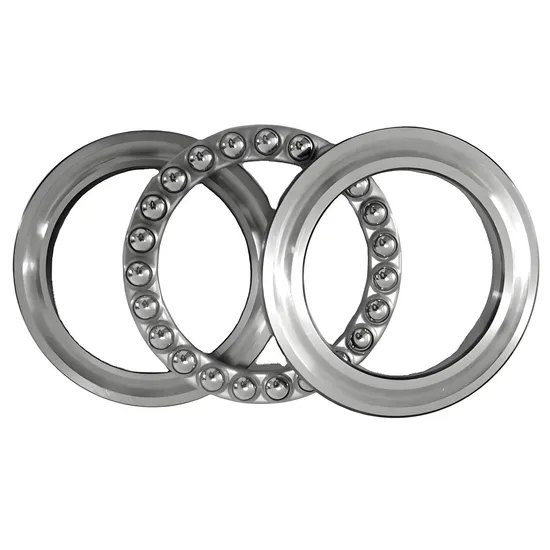
51218 Single Direction Thrust Ball Bearing — engineered to sustain high unidirectional axial loads in crane hooks and vertical water pumps.
Traceable Batch Origin — Every 51218 single direction thrust ball bearing ships with manufacturer lot documentation to guarantee complete supply chain visibility.
| Parameter | Value |
|---|---|
| Designation | 51218 |
| Bearing Type | Single Direction Thrust Ball Bearing |
| Cross Reference | 8218 |
| Applicable Equipment | Crane Hooks, Vertical Water Pumps |
| Origin Options | Germany, Japan, Sweden, Malaysia, China |
| Customization | OEM / ODM Supply Supported |
| HS Code | 8482104000 |
| Industry | Typical Applications |
|---|---|
| Heavy Lifting & Rigging | Crane hook thrust blocks, heavy-duty lifting swivels |
| Fluid Management | Vertical water pump axial load support |
| Machine Tools | Rotary table axial positioning mechanisms |
Misaligned housing seats induce uneven load distribution, causing premature spalling long before the steel reaches its fatigue limit.
I have seen too many thrust bearings fail early in cement mills simply because the housing seat parallelism was ignored during installation. When procurement teams accept vague quality promises without verifying raceway hardness or cage materials, the resulting thermal binding under heavy axial loads leads to catastrophic downtime. Refusing模糊的 "Good Quality" labels and demanding verifiable material test reports is the only way to prevent these avoidable mechanical failures.
Selecting the correct 51218 single direction thrust ball bearing requires a strict evaluation of the axial load profile and housing rigidity. Our technical cross-reference review ensures the replacement unit matches the original equipment manufacturer's internal design, preventing the thermal binding that occurs when base numbers align but internal geometries differ.
Vertical water pumps and crane hooks subject thrust bearings to continuous, unidirectional axial loads where radial support is virtually non-existent. The housing seat must be perfectly flat and perpendicular to the shaft axis; otherwise, the balls will skid rather than roll, generating excessive friction heat. In high-dust environments like cement processing, inadequate sealing or incorrect cage clearance accelerates abrasive wear, making precise installation and appropriate lubrication intervals absolutely critical.
The designation 51218 identifies a metric single direction thrust ball bearing, while 8218 represents the traditional cross reference for the exact same dimensional envelope. When sourcing this component, verifying the cross reference is only the first step; buyers must also confirm the cage material and precision class. A mismatch in these suffixes or internal design parameters can lead to cage failure under heavy shock loads, which is why our interchange expertise covers the complete specification rather than just the base number.
Installing a thrust bearing with soft inner rings or cloned QR codes inevitably results in unplanned downtime and severe equipment damage. According to failure analysis frameworks, inadequate raceway hardness leads to rapid brinelling and spalling under static and dynamic axial loads. This premature failure not only voids equipment warranties but also forces expensive emergency replacements, proving that authentic material verification is far more cost-effective than replacing cheap counterfeits.
Our authorized multi-brand coverage allows you to consolidate mixed-brand requirements into a single, fully traceable order. We address cross-reference errors by verifying clearance and cage materials, ensuring the 8218 equivalent perfectly matches your equipment's thermal and load requirements. Every shipment includes batch traceability to the manufacturer, eliminating the risk of receiving counterfeit units with soft raceways. Our application-based selection review covers mounting tolerances and axial load dynamics to prevent field failures.
To ensure precise application matching, please provide the specific axial load magnitude, operating speed, and continuous running temperature for your crane hook or vertical pump. Supplying the original equipment manufacturer's part number allows our engineering team to perform a comprehensive cross-reference check against the 8218 designation. Detailing the environmental exposure, such as dust ingress or moisture, helps us recommend the optimal cage material and lubrication strategy for your specific machinery.
Q: What internal design differences should I check when cross-referencing 51218 and 8218?
A: While the base dimensions match, you must verify the cage material, precision class, and internal clearance. A mismatch in these parameters can cause thermal binding or cage failure under heavy axial loads. We review the complete specification, not just the base number, to ensure full compatibility with your equipment's operational demands.
Q: How can I verify the batch traceability of the thrust bearings I receive?
A: Every unit we supply includes manufacturer lot documentation and a unique identification code. You can verify the authenticity and trace the production batch directly through the official brand applications, ensuring you receive genuine components with verified raceway hardness and material integrity.
Q: What are the common failure modes for thrust bearings in crane hooks?
A: The most frequent failures stem from misaligned housing seats, inadequate lubrication, and abrasive dust ingress. Misalignment causes uneven load distribution and premature spalling, while poor lubrication leads to ball skidding and cage damage. Proper installation checks and regular maintenance intervals are essential to prevent these issues.
Q: How do I distinguish between single and double direction thrust ball bearings for my application?
A: Single direction bearings, like the 51218, accommodate axial loads in one direction only and are ideal for vertical pumps or crane hooks. Double direction variants handle axial loads in both directions. Your selection depends entirely on whether the shaft experiences reversing axial forces during operation.
Q: Which cage material and lubrication strategy is best for high-temperature vertical pumps?
A: For elevated temperatures, machined brass cages offer superior stability and heat dissipation compared to pressed steel or polyamide alternatives. Lubrication should utilize high-temperature synthetic oils or specialized greases with appropriate viscosity, ensuring adequate film thickness to protect the raceways under continuous axial loading.
Our 5-step process ensures every order is engineered, validated, and supported for optimal performance.
Technical needs assessment
Custom specifications
Free samples for $50k+
Pre-shipment inspection
On-site & predictive
Our certified engineers respond within 24 hours with detailed technical specifications, pricing, and lead time information.