01
Consultation
Technical needs assessment

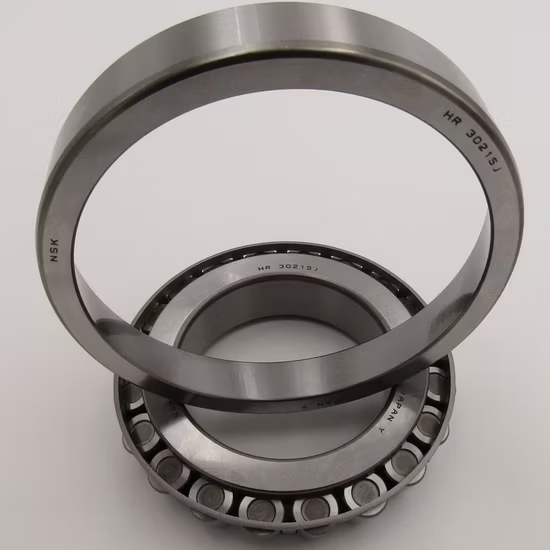
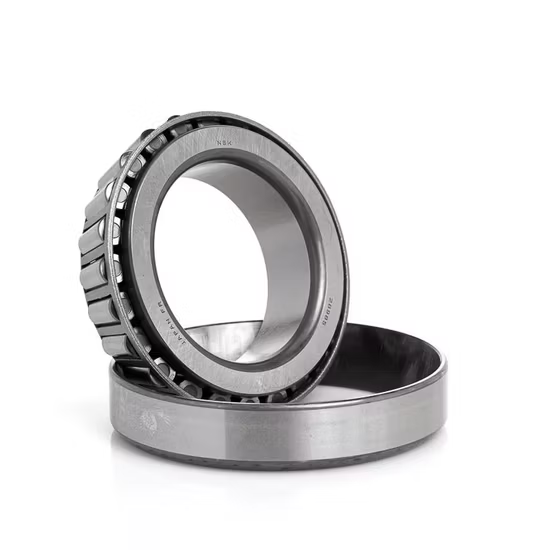
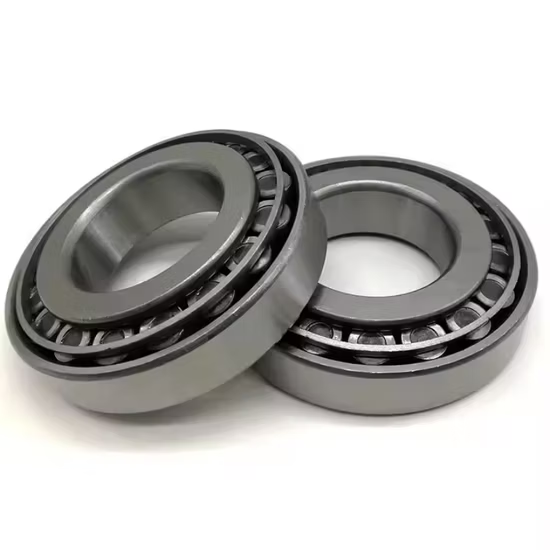
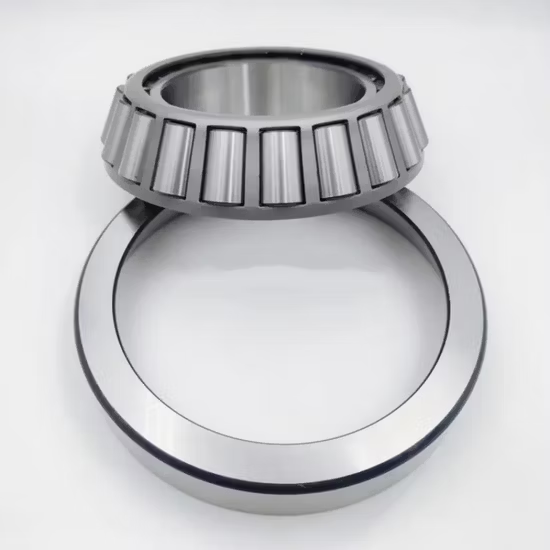
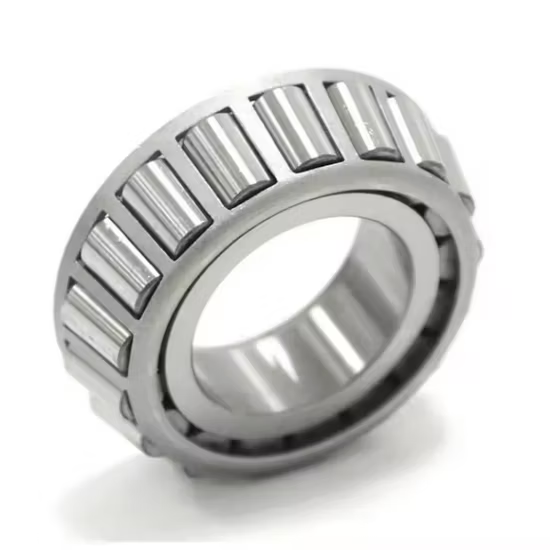
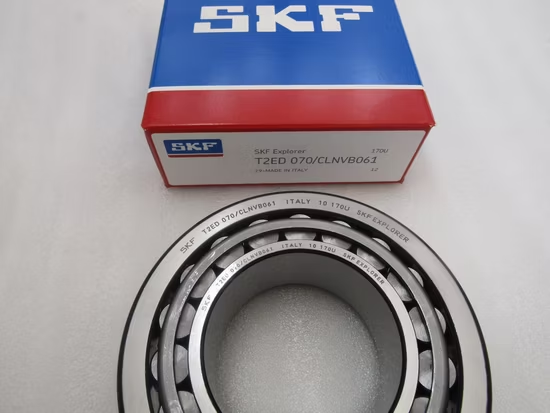
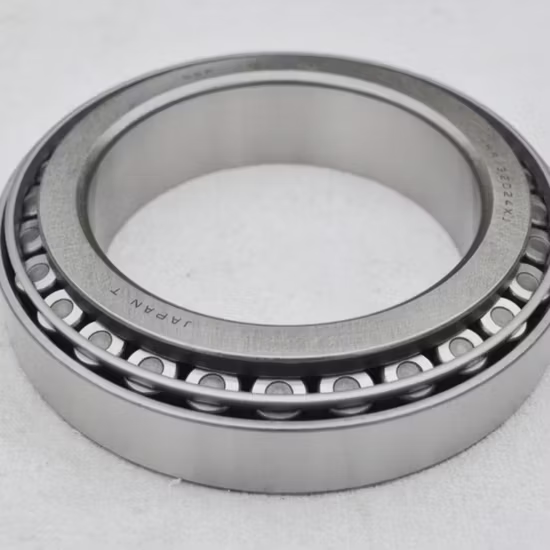
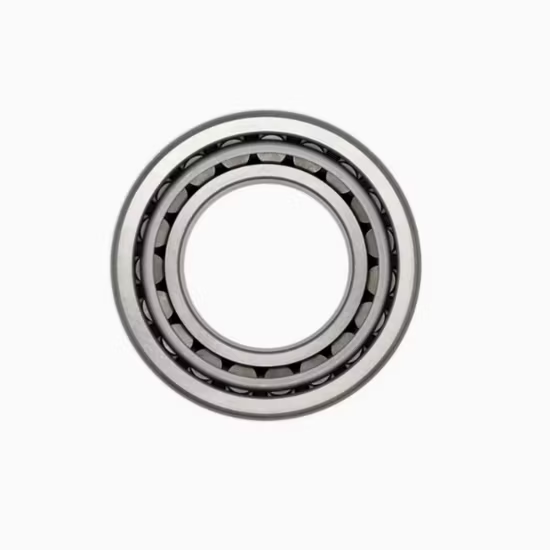
390A/394A Tapered Roller Bearing P4 — Machined from GCr15 steel for reliable load capacity. The inch cone and cup design handles combined radial and axial forces in automotive hubs.
Verifiable Authenticity — Scan the QR code via the manufacturer's official app to confirm the batch origin of every 390A/394A set before it reaches your assembly line.
| Parameter | Value |
|---|---|
| Designation | 390A/394A |
| Bearing Type | Tapered Roller Bearing |
| Precision Class | P4 |
| Material | GCr15 high-carbon chromium bearing steel |
| Cage Material | Available in nylon, brass, or pressed steel variants |
| Origin | Germany / Japan / Sweden / Malaysia / China |
| Industry | Typical Applications |
|---|---|
| Automotive & Heavy Vehicles | Wheel hubs, light truck axles, steering knuckle assemblies |
| Agricultural Machinery | Harvester drive axles, tractor final drive units |
| Industrial Power Transmission | Heavy-duty gearboxes, conveyor drive shafts |
Matching the cone and cup numbers is only the first step; ignoring internal geometry variations leads to catastrophic thermal binding.
In my years handling aftermarket warranty claims across Latin America, I investigated countless wheel hub failures where the replacement part carried the exact same base designation as the original. Yet, the hubs overheated and seized within weeks. The root cause was rarely the steel itself, but rather a mismatch in internal design variants or incorrect clearance adjustments during assembly . Sourcing a genuine 390A/394A tapered roller bearing requires verifying that the internal contact angles and roller profiles align perfectly with the specific axle housing tolerances, preventing the premature destruction of the raceways under heavy cornering loads.
The 390A/394A tapered roller bearing is engineered to manage simultaneous radial and unidirectional axial loads, making it ideal for vehicle wheel hubs and gearbox pinion shafts. We cross-reference the specific internal geometry codes to ensure the cone and cup pair matches your equipment's original design intent. This prevents the micro-slippage and edge-loading that plague generic substitutes, ensuring stable operation even under the severe shock loads typical of agricultural and light truck applications.
Wheel hub environments subject bearings to intense friction heat and severe environmental contamination. The thermal expansion of the axle shaft and housing directly impacts the internal clearance of the bearing set. If the initial adjustment is too tight, the operational temperature rise will eliminate the clearance entirely, causing the rollers to skid and the lubricant to degrade rapidly . Conversely, excessive contamination from failed seals introduces abrasive particulates that score the GCr15 raceways, accelerating fatigue spalling long before the calculated L10 life is reached.
Achieving P4 precision in an inch-series tapered roller bearing dictates exceptionally tight tolerances on the roller diameter and the cone bore, which translates to smoother rotation and reduced vibration at highway speeds. The GCr15 material provides the necessary core hardness to withstand Hertzian contact stresses. Depending on the specific operating temperature and speed requirements, the cage material can be selected from nylon for reduced friction and noise, brass for high-vibration durability, or pressed steel for standard cost-effective performance.
Failing to establish the correct preload during hub assembly inevitably results in unplanned downtime and catastrophic damage to the entire axle assembly. According to ISO 281 frameworks for bearing life calculation, even minor deviations in the clamping force can reduce the operational lifespan by a massive margin . Over-tightening causes immediate thermal runaway, while under-tightening allows the wheel to wobble, destroying the seal and fretting the shaft seating surface, ultimately voiding equipment warranties and forcing complete hub replacements.
We eliminate the guesswork that plagues mixed-brand supply chains.
Share your specific radial and axial load profiles, operating speeds, and housing dimensions so our engineering team can verify the L10 life calculation for this designation. If you are replacing an obsolete OEM part, provide the original equipment part number for a precise cross-reference check. This technical review ensures the selected internal geometry and cage material perfectly match your operational environment, eliminating the risk of premature field failures.
Q: How do I ensure the cone and cup match correctly during cross-referencing?
A: Base numbers alone are insufficient. We verify the internal geometry codes and contact angles to ensure the 390A cone and 394A cup pair matches your specific housing design, preventing edge-loading and premature fatigue caused by mismatched internal profiles.
Q: What are the critical preload adjustments for wheel hub applications?
A: Proper endplay adjustment is vital. Over-tightening eliminates operational clearance, causing thermal seizure, while under-tightening induces roller skidding and seal failure. We provide technical guidelines to help your mechanics achieve the exact clamping force required for stable hub operation.
Q: How can I verify the authenticity of the received bearing sets?
A: Every set includes batch traceability documentation. You can scan the QR code on the packaging using the manufacturer's official mobile application to instantly verify the production origin, ensuring the steel quality and precision meet genuine factory standards.
Q: Which cage material is best for high-vibration agricultural axles?
A: For severe vibration and shock loads typical in harvesters, a machined brass cage is often recommended due to its structural rigidity. However, for standard highway light truck applications, nylon or pressed steel cages offer excellent friction reduction and cost efficiency.
Our 5-step process ensures every order is engineered, validated, and supported for optimal performance.
Technical needs assessment
Custom specifications
Free samples for $50k+
Pre-shipment inspection
On-site & predictive
Our certified engineers respond within 24 hours with detailed technical specifications, pricing, and lead time information.