01
Consultation
Technical needs assessment

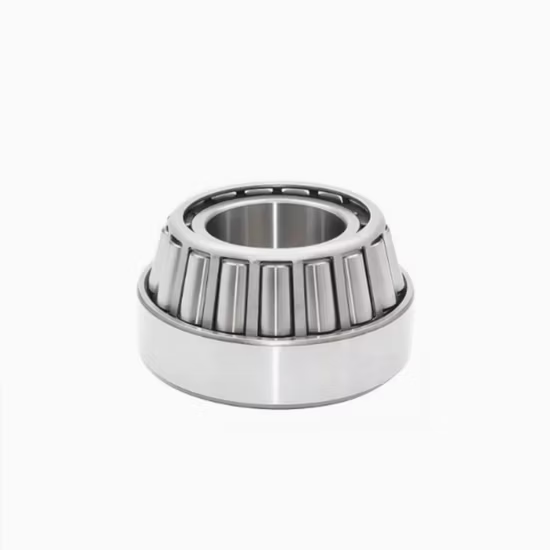


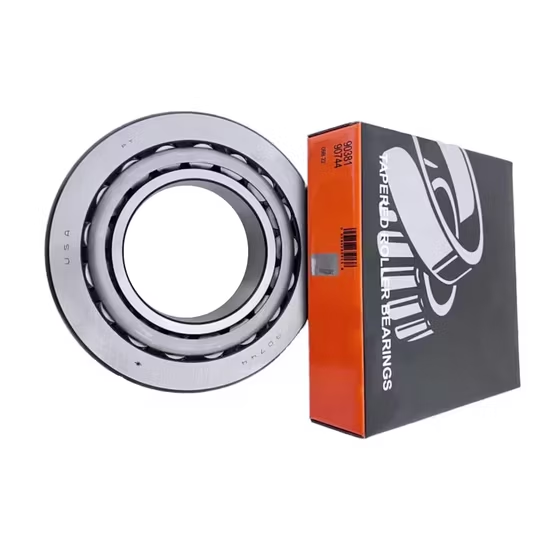
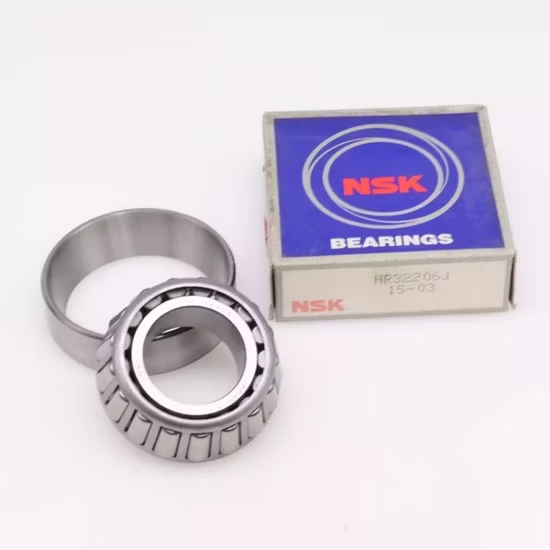
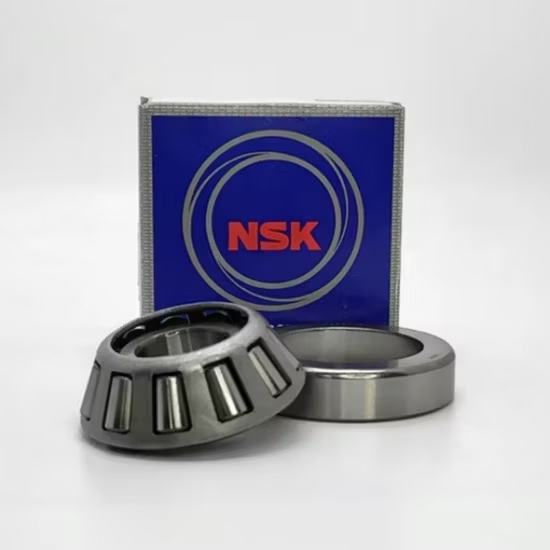
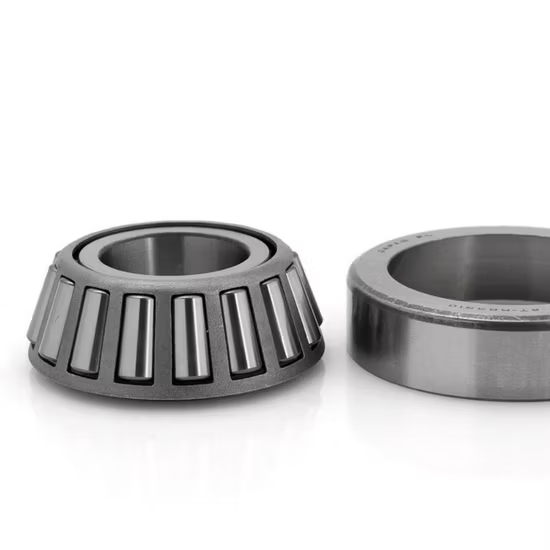
387A/382A Single Row Inch Tapered Roller Bearing P4 — engineered with Gcr15 bearing steel to handle combined radial and thrust loads in automotive wheel hubs and industrial gearboxes. The single row tapered structure ensures reliable performance under heavy-duty conditions.
Multi-Brand Authorized Coverage — Consolidate mixed-brand procurement into a single shipment with full batch traceability for every inch tapered roller set.
| Parameter | Value |
|---|---|
| Designation | 387A/382A |
| Product Type | Tapered Roller Bearing |
| Bearing Type | Single Row Tapered Roller |
| Bore Type | Inch |
| Precision Class | P4 |
| Material | Gcr15 bearing steel |
| Cage Material Options | Nylon, brass, or stamped iron |
| Certification | ISO 9001, IATF 16949 compliant manufacturing |
| Origin | Manufacturer's production facilities |
Note: Suffixes Vkhb2277 and Set74 are unverified assembly or packaging codes requiring manufacturer catalog confirmation.
| Industry | Typical Applications |
|---|---|
| Automotive & Heavy Vehicle | Heavy-duty truck wheel hubs, trailer axles, steering knuckles |
| Industrial Power Transmission | Heavy machinery gearboxes, reduction drives, conveyor pulleys |
| Marine & Off-Highway | Marine propulsion drives, agricultural tractor final drives |
Exact cross-reference alignment on internal clearance and cage design prevents catastrophic thermal binding in heavy-duty axles.
Matching the base designation is only the first step. I have inspected seized truck wheel hubs in Latin America where the outer dimensions were correct, but the internal clearance was entirely wrong for the operating temperature. Installing a standard clearance set where thermal expansion demands a C3 equivalent turns the rolling elements into a solid block of friction under load . A genuine 387A/382A tapered roller bearing must be verified not just by its cup and cone numbers, but by ensuring the internal geometry matches the specific thermal and load profile of the axle.
Single row inch tapered designs excel at managing the combined radial and thrust loads inherent in vehicle hubs and gearbox shafts. The precise P4 tolerance class ensures tighter dimensional accuracy, which is critical for maintaining the correct bearing preload during assembly. We review your specific load vectors to confirm that the selected cup and cone set provides the optimal contact angle for your equipment, preventing edge loading on the rollers.
Wheel hubs and industrial gearboxes generate significant friction heat, which directly impacts the internal clearance of the bearing. If the initial clearance is too tight, thermal expansion will eliminate the operating gap, leading to severe skidding and cage failure. Proper lubrication intervals and selecting the correct grease viscosity are equally vital to maintain the elastohydrodynamic film between the rollers and raceways .
The Gcr15 high-carbon chromium bearing steel provides the necessary core hardness and wear resistance to withstand the high contact stresses of tapered roller applications. Reaching P4 precision class means the bore, outside diameter, and width tolerances are held to much tighter limits than standard commercial grades. This tighter dimensional control allows for more predictable preload settings during hub nut tightening, ensuring the bearing operates in its optimal stiffness zone without inducing excessive friction.
Relying solely on the base number while ignoring internal design variations leads to unplanned downtime and premature failure. A mismatched clearance class in a high-temperature environment causes the bearing to run hot, degrading the lubricant and accelerating surface fatigue. According to failure analysis frameworks, a significant share of premature bearing failures stems from improper selection rather than manufacturing defects . This results in catastrophic damage to the hub spindle and voids equipment warranties.
We eliminate the risk of receiving counterfeit sets with soft inner rings by sourcing strictly through authorized channels with full documentation. Cross-reference errors are common when suppliers only match the base 387A and 382A numbers while overlooking critical cage or clearance suffixes. Our technical team verifies the exact internal design requirements for your application before confirming the order. Every shipment includes batch traceability, ensuring you know exactly which manufacturer produced your specific cup and cone set.
To ensure the selected inch tapered roller set perfectly matches your equipment, please provide the specific radial and axial load calculations along with the operating speed and temperature range. Sharing the OEM equipment number or the existing hub assembly drawing allows our engineering team to perform a complete cross-reference verification. We will also calculate the L10 fatigue life based on your exact duty cycle to confirm the suitability of the P4 precision and internal clearance configuration.
Q: How do we verify the authorization and batch traceability for these inch tapered sets?
A: Every 387A/382A set is sourced through authorized channels and shipped with a Certificate of Conformity. We provide batch and lot traceability documents that link directly to the manufacturer's production records. You can also scan the packaging QR codes using the brand's official mobile application to instantly verify authenticity and confirm the exact production date and facility.
Q: Why is base designation cross-referencing not enough for cup and cone assemblies?
A: Matching the base numbers only confirms the outer dimensions. The internal clearance, cage material, and roller profile must also align with the application's thermal and load characteristics. Installing a standard clearance set in a high-heat truck hub will cause thermal binding. We verify all internal suffixes to ensure the complete assembly matches the OEM engineering requirements.
Q: How does P4 precision compare to standard tolerances in automotive hub applications?
A: P4 precision provides significantly tighter dimensional and running accuracy compared to standard commercial grades. In heavy-duty automotive hubs, this tighter tolerance allows for highly predictable preload settings during assembly. It prevents excessive internal friction while maintaining the necessary shaft rigidity, ultimately extending the fatigue life of the bearing under combined radial and thrust loads.
Q: What are the cage material selection boundaries for high-speed gearbox environments?
A: Cage selection depends heavily on the operating speed, temperature, and lubrication method. Brass cages offer excellent durability and heat dissipation for heavy-load, moderate-speed gearboxes, while polymer cages are suitable for higher speeds with lower friction. We review your specific gearbox oil flow and thermal profile to recommend the optimal cage material for your inch tapered roller assembly.
Our 5-step process ensures every order is engineered, validated, and supported for optimal performance.
Technical needs assessment
Custom specifications
Free samples for $50k+
Pre-shipment inspection
On-site & predictive
Our certified engineers respond within 24 hours with detailed technical specifications, pricing, and lead time information.