01
Consultation
Technical needs assessment


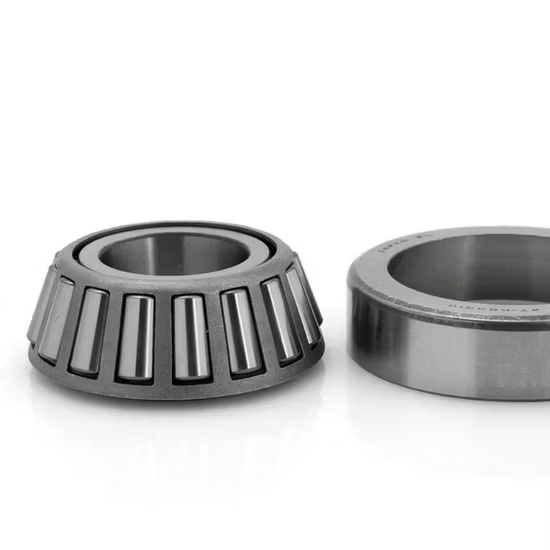
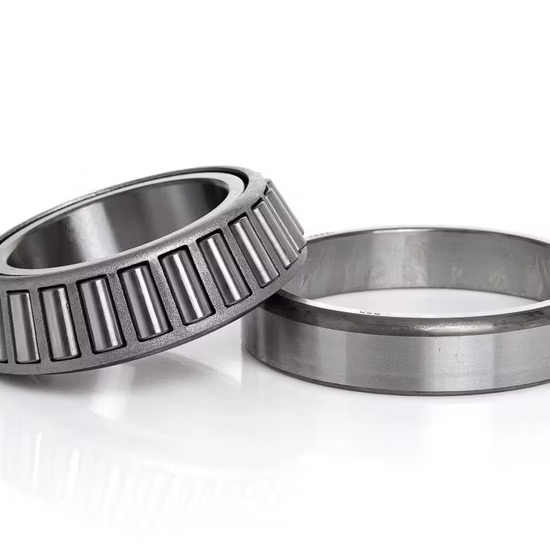
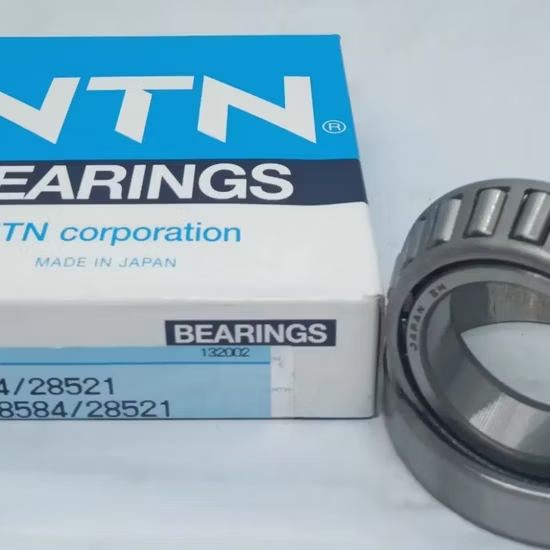
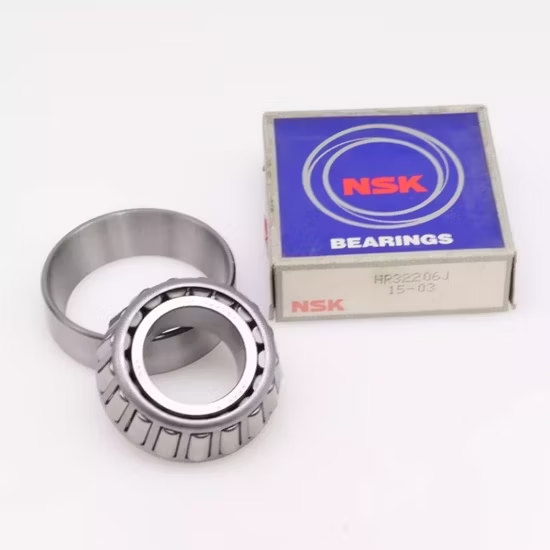

33207 Tapered Roller Bearing 35×72×28 mm P4 — single row construction handles combined radial and axial loads efficiently in industrial gearboxes and automotive wheel hubs.
Full Batch Traceability — Every 33207 unit ships with verifiable manufacturer lot documentation and official QR codes to eliminate counterfeit risks on heavy machinery sites.
| Parameter | Value |
|---|---|
| Designation | 33207 |
| Product Type | Tapered Roller Bearing |
| Bore Diameter (d) | 35 mm |
| Outside Diameter (D) | 72 mm |
| Width (T) | 28 mm |
| Number of Rows | Single Row |
| Precision Class | P4 |
| Material | GCr15 Bearing Steel |
| Cage Material | Available in pressed steel, brass, or polyamide variants |
| Origin | Sourced from authorized facilities in Germany, Japan, Sweden, Malaysia, or China |
| Industry | Typical Applications |
|---|---|
| Industrial Gearboxes | Helical and bevel gear reducer shafts, heavy-duty conveyor drive assemblies |
| Automotive & Heavy Vehicles | Truck axle pinion bearings, commercial vehicle wheel hub mounting positions |
| Building Materials | Aggregate crusher drive shafts, cement mixer drum support rollers |
Dimensional equivalence never guarantees field survival under combined loading.
Purchasing teams frequently approve replacements based solely on the 35x72x28mm envelope, ignoring internal geometry and cage construction. I have investigated catastrophic failures in Latin American crushing plants where a standard pressed-steel cage was installed in a high-vibration, high-temperature application instead of a heavy-duty brass alternative. The cage fractured within weeks, destroying the shaft. When sourcing a 33207 tapered roller bearing, overlooking the specific internal design and precision class leads to rapid thermal binding and premature fatigue .
Supplying the correct 33207 tapered roller bearing requires looking past the basic designation to evaluate the actual operating environment. Our technical review process cross-checks your specific radial and axial load ratios against the appropriate cage material and precision grade. This ensures the internal components can withstand the exact shock loads and thermal expansion present in your gearboxes or axle assemblies, rather than just fitting the physical bore and housing.
Tapered roller bearings in mining and aggregate equipment face severe thermal gradients and abrasive dust ingress. The 28mm width and single-row configuration of this metric series must accommodate significant thermal expansion without losing the critical internal clearance required for the roller-to-raceway contact patch. Proper lubrication selection and maintaining the correct P4 precision tolerances are vital to preventing the friction-induced heat spikes that degrade standard lubricants and accelerate spalling on the inner ring .
Achieving P4 precision in a 35mm bore tapered roller bearing means strictly controlling the dimensional tolerances and running accuracy of both the cup and cone assemblies. This tighter control minimizes vibration and uneven load distribution across the rollers during high-speed rotation. The GCr15 high-carbon chromium bearing steel provides the necessary core toughness and surface hardness to resist contact fatigue. Depending on the specific operating speed and vibration profile, the cage is available in pressed steel for standard duties, brass for high-shock environments, or polyamide for lower-friction requirements.
Installing a dimensionally correct but internally mismatched bearing inevitably leads to unplanned downtime and catastrophic secondary damage. When the internal clearance or cage design fails to match the application's thermal and vibrational reality, the bearing seizes, often scoring the expensive mating shaft and destroying the housing bore. According to failure analysis frameworks, a significant share of premature failures stems directly from these application mismatches rather than material defects, resulting in massive warranty voidance and extended production halts .
Our procurement strategy eliminates the guesswork that plagues the industrial spare parts market. First, we provide authorized coverage across major global brands, allowing mixed-brand orders without compromising authenticity. Second, every batch is fully traceable to the manufacturer's production facilities, preventing the infiltration of clone components. Third, we enforce strict cross-reference protocols; we do not just match the 35x72x28mm base size, but verify that the precision class and internal geometry align perfectly with your OEM requirements, actively preventing the exact cage failures I have witnessed in the field.
To ensure the selected 33207 variant survives your specific application, please provide the exact radial and axial load profiles, operating speeds, and ambient temperature ranges. If you are replacing an existing unit, sharing the OEM equipment number or the exact suffix markings from the failed bearing allows our engineering team to perform a precise cross-reference and L10 life calculation. This data ensures we supply the exact cage material and internal clearance required for your machinery.
Q: Why is cross-referencing only the base 33207 number dangerous for heavy machinery?
A: Matching only the 35x72x28mm dimensions ignores critical internal differences. A standard cage might fail under the high shock loads of a crusher, whereas a brass cage survives. Ignoring these internal design variations and precision classes leads to rapid thermal binding, cage fracture, and catastrophic equipment downtime in demanding field conditions.
Q: What does P4 precision mean for a single row tapered roller bearing in gearboxes?
A: P4 indicates strictly controlled dimensional and running accuracy tolerances compared to standard grades. In industrial gearboxes, this tighter precision ensures even load distribution across the rollers, significantly reducing vibration, minimizing operational noise, and extending the fatigue life of the bearing under continuous combined radial and axial loading.
Q: How do I verify the authenticity of the bearings upon delivery?
A: Every shipment includes batch traceability documents and a Certificate of Conformity. You can scan the QR codes on the packaging using the manufacturer's official mobile application to instantly verify the origin and production lot, effectively filtering out sophisticated counterfeits with cloned labels and soft inner rings.
Q: How should I choose between steel, brass, and polyamide cages for this designation?
A: Pressed steel cages suit standard speeds and moderate loads. Brass cages are mandatory for high-vibration, high-shock applications like crushing equipment to prevent cage fracture. Polyamide cages offer lower friction for high-speed, clean environments. Selecting the wrong cage material for your specific load profile is a primary cause of premature field failure.
Our 5-step process ensures every order is engineered, validated, and supported for optimal performance.
Technical needs assessment
Custom specifications
Free samples for $50k+
Pre-shipment inspection
On-site & predictive
Our certified engineers respond within 24 hours with detailed technical specifications, pricing, and lead time information.