01
Consultation
Technical needs assessment


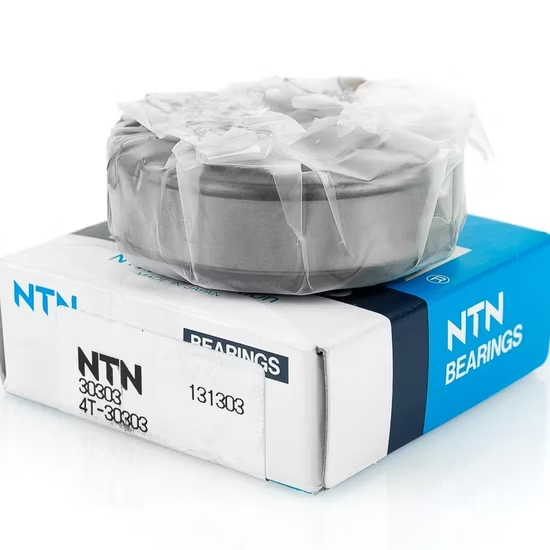
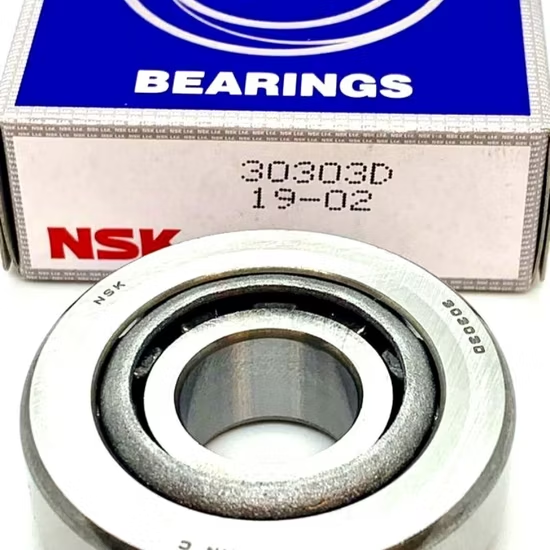
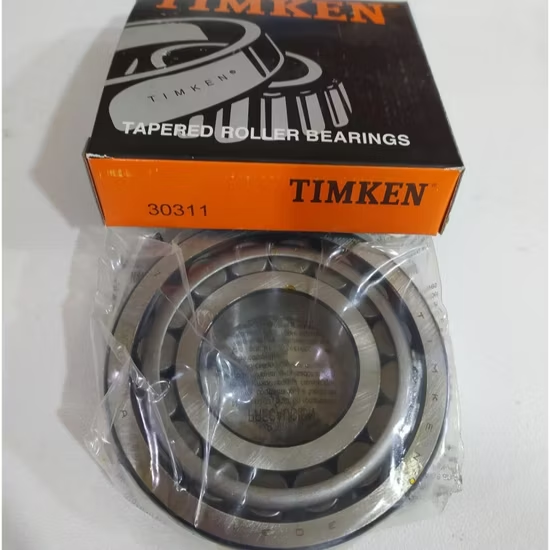
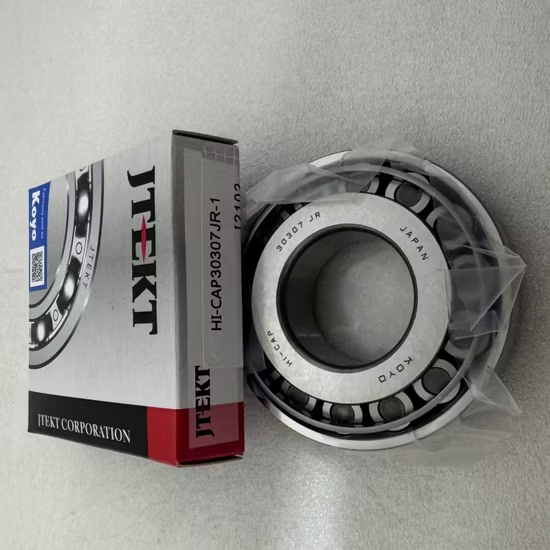
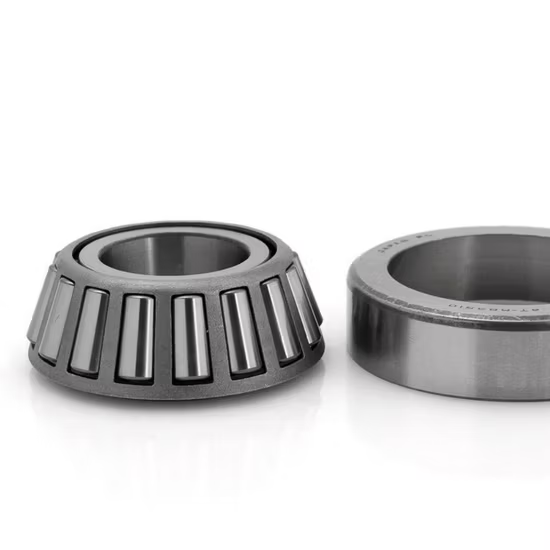
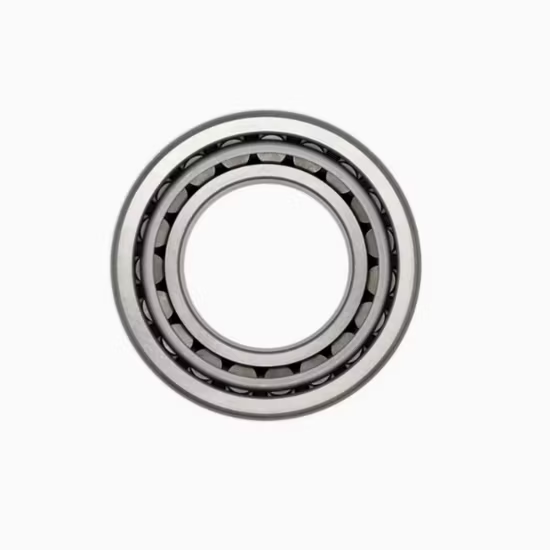
33018 Tapered Roller Bearing P4 — machined from high-carbon chromium GCr15 steel to deliver excellent hardenability and wear resistance under combined radial and axial loads.
Full Batch Traceability — Every 33018 unit ships with manufacturer lot records linking directly to the original production facility.
| Parameter | Value |
|---|---|
| Designation | 33018 |
| Bearing Type | Tapered Roller Bearing |
| Precision Class | P4 |
| Cage Material | Available in nylon, brass, or iron variants |
| Material | GCr15 bearing steel |
| Origin | Germany, Japan, Sweden, Malaysia, or China |
| Certification | Certificate of Conformity provided |
| Industry | Typical Applications |
|---|---|
| Industrial Gearboxes | Heavy-duty reduction gear shafts and pinion supports |
| Automotive & Heavy Vehicles | Wheel hub assemblies and axle differential carriers |
| Manufacturing Plants | Conveyor drive rollers and material handling equipment |
| Building Material Processing | Crushers, mixers, and bulk material conveyance systems |
Matching the base number is only the first step; ignoring internal design variations leads to rapid field failure.
Procurement teams often assume that any component stamped with the correct base designation will perform identically in the field. However, a significant share of premature failures stems from overlooked internal details, such as mismatched clearance classes or incorrect cage materials for the specific operating temperature . When a standard clearance component is installed in an application requiring extra internal clearance to accommodate thermal expansion, the rolling elements bind, generating excessive friction heat and ultimately locking the assembly.
Selecting the right 33018 tapered roller bearing requires aligning the internal geometry with the actual loads and speeds of the equipment. Our engineering team reviews your specific application parameters to ensure the chosen precision class and cage material can withstand the operational demands. This prevents the common error of installing a standard component in a high-speed or high-temperature environment where it cannot survive.
Heavy-duty gearboxes and wheel hubs subject components to intense combined radial and axial loads, often accompanied by shock loading from uneven terrain or material impacts. Operating temperatures can rise substantially under continuous heavy loads, making the correct internal clearance vital to prevent thermal binding. Furthermore, environments like building material processing introduce severe particulate contamination, demanding rigorous sealing solutions or frequent external lubrication to protect the raceways and rolling elements from abrasive wear .
The P4 precision class specified for this designation ensures tighter dimensional and running accuracy, which is essential for minimizing vibration and maintaining stable operation in high-speed gear shafts. The GCr15 high-carbon chromium bearing steel provides excellent hardenability and wear resistance, forming a durable foundation for the rolling elements. Additionally, the availability of nylon, brass, or iron cage variants allows for application-specific selection; brass cages are typically preferred for high-load and high-vibration environments, while nylon cages offer lower friction and reduced noise at higher speeds.
Overlooking the required internal clearance or substituting a lower precision grade to reduce initial costs inevitably leads to unplanned downtime and catastrophic damage to surrounding housings. When thermal expansion is not accommodated by the correct clearance class, the resulting friction can destroy the cage and score the raceways within hours of operation. According to failure analysis frameworks, these preventable installation and selection errors account for a massive portion of early replacements, voiding equipment warranties and inflating long-term maintenance budgets .
We maintain authorized distribution agreements across all major international brands, allowing you to consolidate mixed-brand requirements into a single, traceable order. Our cross-reference process verifies that substitute models match not just the base designation, but also the critical precision class and internal design features specific to your machinery. Every shipment is backed by manufacturer batch traceability, ensuring you receive genuine components rather than counterfeits with soft inner rings that fail under load.
To ensure the selected component perfectly matches your equipment, please provide detailed operating parameters, including specific radial and axial loads, rotational speeds, and expected temperature ranges. Sharing the original OEM equipment number or existing part markings allows our engineering team to perform a comprehensive cross-reference check. This technical review guarantees that the internal design, precision class, and clearance alignment are fully optimized for your application before procurement.
Q: How can I verify the authenticity of the 33018 units upon delivery?
A: Every unit is supplied with official batch traceability documentation and a unique QR code. You can scan this code using the respective brand’s official mobile application to instantly verify the manufacturing origin, production date, and authenticity, ensuring the component is not a counterfeit with compromised metallurgical properties.
Q: What cross-reference checks are performed when substituting brands for this designation?
A: Our technical team goes beyond matching the base number by verifying the precision class, internal clearance, and cage material. We ensure the substitute model meets the exact P4 tolerance requirements and thermal expansion characteristics of your original equipment, preventing premature binding or vibration issues in the field.
Q: How do I choose between nylon, brass, or iron cages for my application?
A: The choice depends on your specific operating conditions. Brass cages are highly recommended for heavy-load, high-vibration environments like crushers, while nylon cages are ideal for applications requiring lower friction and quieter operation at higher speeds. Iron cages serve as a durable, cost-effective option for standard industrial gearboxes.
Q: What is the practical difference between standard P0 and P4 precision in tapered roller bearings?
A: P4 precision provides significantly tighter dimensional and running accuracy compared to standard P0 grades. This enhanced precision minimizes vibration, reduces operational noise, and ensures stable load distribution across the rolling elements, which is critical for extending the fatigue life of high-speed shafts and sensitive machinery.
Our 5-step process ensures every order is engineered, validated, and supported for optimal performance.
Technical needs assessment
Custom specifications
Free samples for $50k+
Pre-shipment inspection
On-site & predictive
Our certified engineers respond within 24 hours with detailed technical specifications, pricing, and lead time information.