01
Consultation
Technical needs assessment

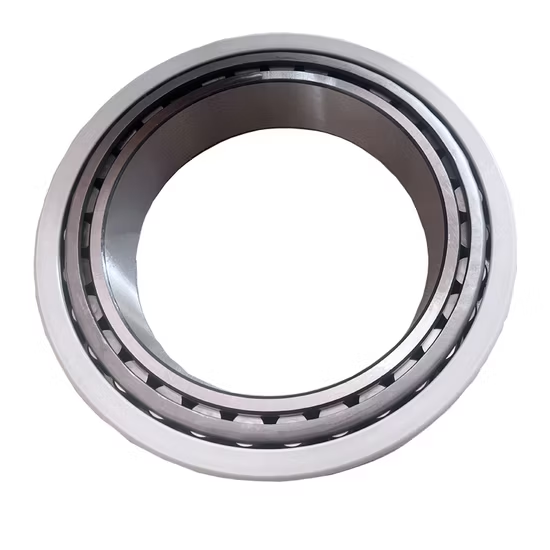
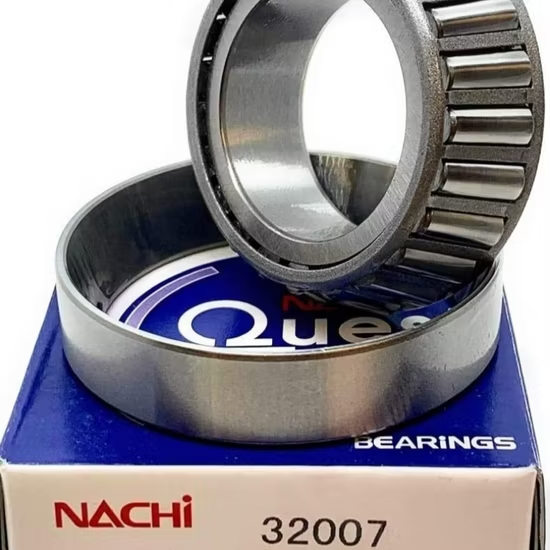
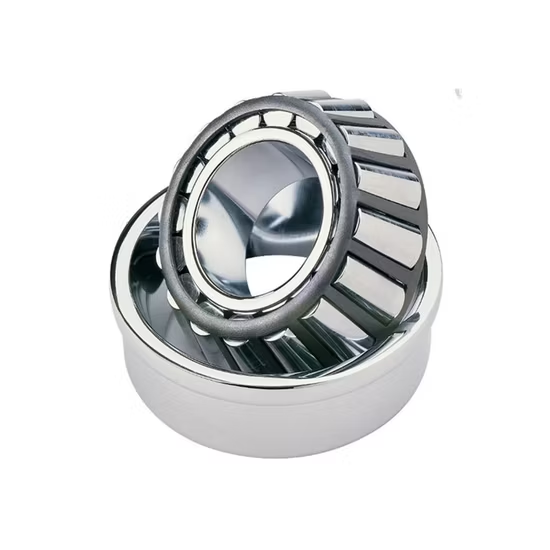


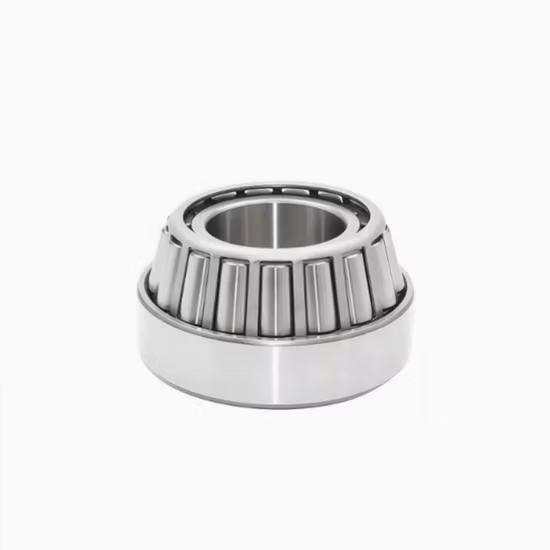
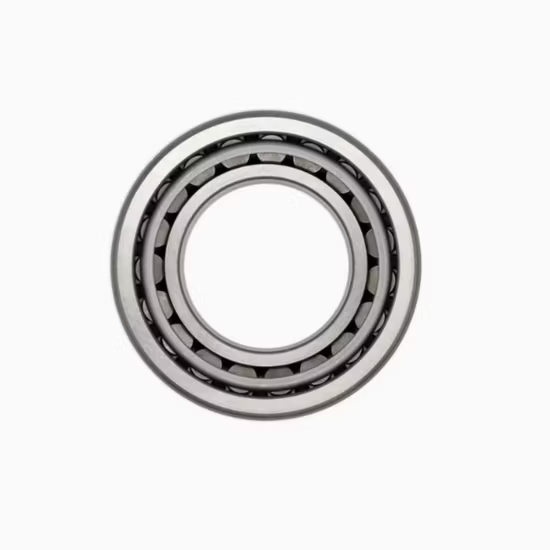
32028 32030 Tapered Roller Bearing P4
Full Brand Authorization — Consolidate mixed-brand requirements for 32028 32030 tapered roller bearing orders through a single supply chain without juggling multiple vendors.
| Parameter | Value |
|---|---|
| Designation | 32028 32030 |
| Product Type | Tapered Roller Bearing |
| Bearing Type | Single Row Tapered Roller |
| Precision Class | P4 |
| Cage Material Options | Nylon, Brass, or Pressed Steel |
| Material | GCr15 Bearing Steel |
| Origin Options | Germany, Japan, Sweden, Malaysia, or China |
| Certification | ISO 9001, Batch Traceability |
| HS Code | 8482500090 |
| Industry | Typical Applications |
|---|---|
| Automotive & Heavy Vehicles | Wheel hubs, truck axles, and differential pinion shafts |
| Industrial Power Transmission | Heavy-duty gearboxes and reduction drives |
| Material Handling | Conveyor pulley shafts and crane hoist drums |
| Marine & Offshore | Propulsion shafts and deck machinery drives |
A base designation match guarantees dimensional fit, but rarely confirms internal load capacity or thermal stability.
In heavy-duty environments, procurement teams often source components by matching the base number alone. This approach frequently leads to installing standard internal clearances where thermal expansion demands a looser fit, or utilizing pressed steel cages in high-vibration gearboxes where brass is mandatory. Field failures in mining and material handling often trace back to these exact cross-reference oversights, where the physical dimensions align perfectly but the internal engineering fails under combined loads .
The single row configuration of the 32028 32030 tapered roller bearing is engineered to manage simultaneous radial and axial forces. By directing axial loads through the roller contact angle, this design prevents localized stress concentrations that typically destroy deep groove alternatives in truck axles and industrial gearboxes. Our technical review ensures the selected variant matches the specific thrust-to-radial load ratio of your equipment.
Operating heavy drivetrains generates significant friction heat, which directly impacts internal clearance and cage integrity. If a standard clearance is installed in a high-temperature gearbox, thermal expansion can eliminate the operational gap, causing the rollers to bind and generate catastrophic heat. Furthermore, cage material must align with the vibration profile; while nylon offers quiet operation at moderate speeds, brass cages are essential for absorbing shock loads in crushing and mining applications without fracturing .
Achieving P4 precision ensures tighter dimensional and running accuracy than standard P0 grades, which is critical for minimizing vibration in high-speed pinion shafts. The GCr15 bearing steel construction provides the necessary hardenability and fatigue resistance to withstand heavy radial loads. Because the base designation lacks explicit suffix indicators for these internal features, verifying the exact precision class and cage material through manufacturer documentation is mandatory to prevent premature wear.
Substituting a component based solely on outer dimensions without verifying internal geometry leads to unplanned downtime and catastrophic damage to surrounding housings. When a cage fails due to unabsorbed vibration, the resulting debris contaminates the entire lubrication system, destroying gears and shafts. Adhering to ISO 281 standards for dynamic load rating calculations requires exact knowledge of the internal design, which is lost when relying on superficial base-number cross-references .
Sourcing genuine components requires more than just matching a part number; it demands verification of the internal specifications that dictate field performance. We cross-reference the 32028 32030 tapered roller bearing against OEM requirements, ensuring the cage material and precision class align with your specific load and speed parameters. Every shipment includes full batch traceability, allowing your maintenance team to verify authenticity and internal geometry before the equipment is ever opened.
To ensure the selected single row taper design matches your operational demands, provide your engineering team's specific radial and axial load calculations, operating speeds, and thermal profiles. Supplying the OEM equipment number allows us to perform a comprehensive cross-reference review, verifying that the internal clearance and cage material align perfectly with your drivetrain requirements.
Q: How do we verify the authenticity of these components using official brand apps?
A: Each shipment includes traceable documentation with specific QR codes. Your maintenance team can scan these codes using the manufacturer's official mobile applications to instantly verify the batch origin, production date, and authenticity, ensuring no counterfeit parts enter your critical drivetrain assemblies.
Q: Why must internal clearance be verified during cross-brand interchange?
A: Base numbers only dictate physical dimensions. If a standard clearance is installed in a high-temperature gearbox instead of the required expanded clearance, thermal growth will eliminate the operational gap. This causes the rollers to bind, generating excessive heat and leading to rapid, catastrophic failure of the assembly.
Q: What are the running accuracy differences between P4 and standard P0 classes?
A: P4 precision guarantees significantly tighter tolerances for bore, outer diameter, and radial runout compared to P0. This enhanced geometric accuracy minimizes vibration and noise, which is essential for maintaining stability and extending the fatigue life of high-speed pinion shafts and precision gearboxes.
Q: How do we select the correct cage material for our operating conditions?
A: Cage selection depends on temperature and vibration. Nylon cages suit moderate speeds and quiet operation, while brass cages are mandatory for high-vibration, heavy-shock environments like mining crushers. Pressed steel offers a balance for general applications. Provide your operational parameters so we can specify the exact material.
Our 5-step process ensures every order is engineered, validated, and supported for optimal performance.
Technical needs assessment
Custom specifications
Free samples for $50k+
Pre-shipment inspection
On-site & predictive
Our certified engineers respond within 24 hours with detailed technical specifications, pricing, and lead time information.