01
Consultation
Technical needs assessment


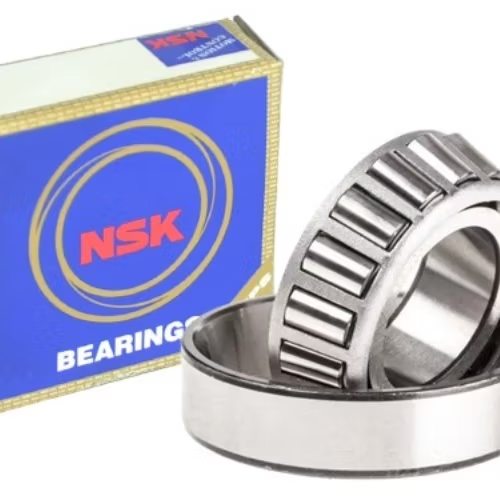
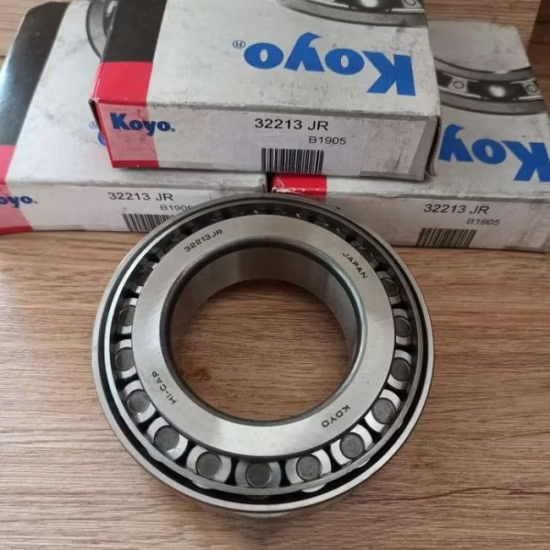
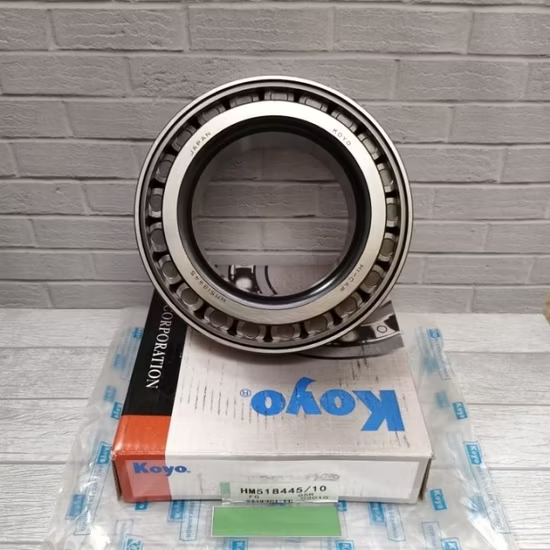

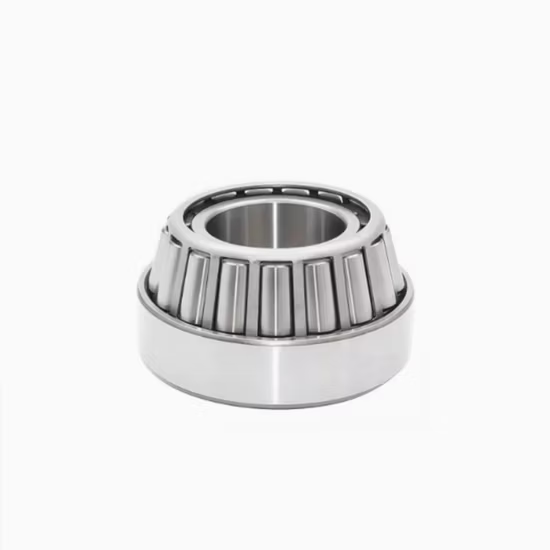
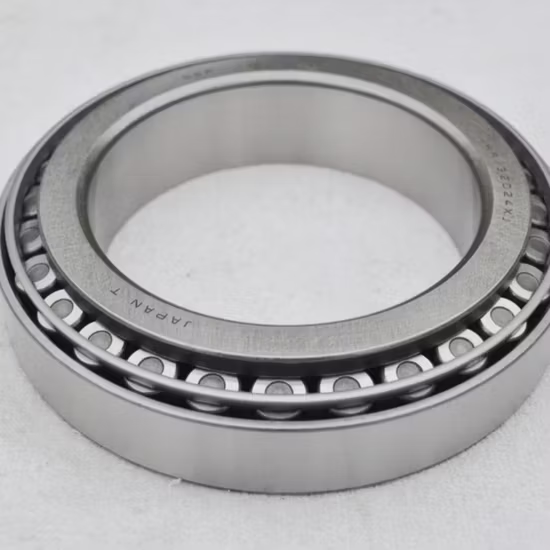
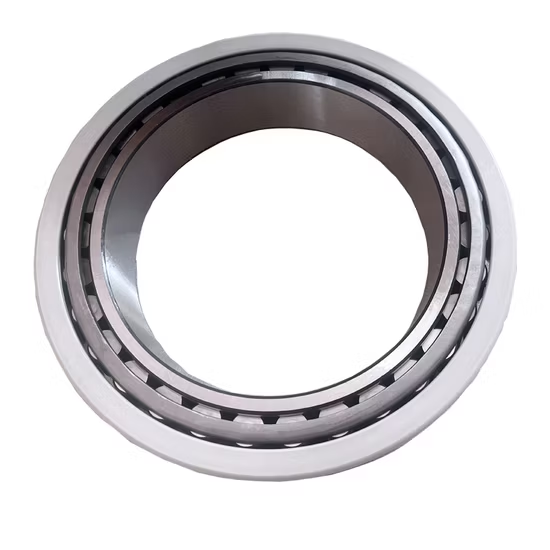
30200 30201 Tapered Roller Bearing P4 — Single row tapered structure optimized for combined radial and axial loads, manufactured from GCr15 bearing steel for tight running accuracy.
Full Brand Authorization — Consolidate mixed-brand requirements for 30200 30201 tapered roller bearing units into a single shipment without coordinating multiple suppliers.
| Parameter | Value |
|---|---|
| Designation | 30200 30201 |
| Product Type | Tapered Roller Bearing |
| Number of Rows | Single Row |
| Structure | Taper |
| Precision Class | P4 |
| Material | GCr15 Bearing Steel |
| Origin | Shanghai |
| Industry | Typical Applications |
|---|---|
| Automotive & Heavy Vehicles | Wheel hub assemblies, truck axle differentials, steering knuckles |
| Industrial Power Transmission | Heavy-duty gearbox shaft supports, reduction gear pinion bearings |
| Marine Engineering | Propulsion drive shafts, winch drum supports, deck machinery |
| Construction & Building Materials | Vibrating screen eccentric shafts, crusher main shaft journals |
Matching only the base designation while ignoring internal geometry and precision tolerances guarantees premature failure under combined loads.
In field operations across Latin American mining sites, I have repeatedly investigated catastrophic lock-ups in heavy drive axles. The root cause is rarely the steel itself, but rather procurement teams sourcing components based solely on the basic numeric sequence. When a standard P0 grade is forced into a high-speed pinion application, or when internal clearance assumptions fail to account for thermal expansion, the rolling elements skid and the cage disintegrates. Sourcing a genuine 30200 30201 tapered roller bearing requires strict verification of the precision class and internal contact angles to prevent these thermal binding incidents .
The single row taper structure is engineered to resolve combined loading vectors simultaneously. By specifying the 30200 30201 tapered roller bearing for heavy gearboxes, procurement engineers ensure that the angled raceways distribute axial thrust while managing radial shaft weight. Our technical review process verifies that the selected geometry matches the exact load ratio of your equipment, preventing edge-loading on the roller ends.
Industrial gearboxes generate substantial internal heat, altering the dimensional relationship between the shaft and the housing. A P4 precision rating ensures tighter dimensional and running accuracy, which is critical when thermal growth threatens to eliminate internal clearance. Proper selection must account for the operating temperature gradient to maintain the correct roller-to-raceway contact pattern, avoiding the severe friction that destroys standard tolerance components .
Achieving P4 precision involves stringent control over bore diameter, outside diameter, and running accuracy, far exceeding standard commercial grades. The GCr15 material provides high hardenability and deep through-hardening, ensuring the raceways resist spalling under heavy Hertzian contact stresses. Furthermore, the internal assembly can be configured with varying cage materials, available in pressed steel, machined brass, or polyamide variants, allowing the internal design to adapt to specific vibration levels and speed requirements without compromising structural integrity.
Substituting components based on loose cross-referencing leads to unplanned downtime that dwarfs the initial purchase savings. When internal design parameters mismatch the OEM specification, the resulting microscopic skidding accelerates wear and triggers catastrophic cage failure. Following the failure analysis frameworks outlined in industry standards, these premature breakdowns are consistently traced back to unverified interchange practices rather than material fatigue .
We enforce a strict cross-reference review that aligns precision suffixes and internal geometry, not just the base numeric sequence. For these specific taper designs, we verify the exact contact angle and roller profile to ensure compatibility with your OEM housing. Every shipment includes batch traceability to the manufacturer, eliminating the risk of counterfeit rings with soft inner cores. Our application-based selection review evaluates your specific speed and temperature conditions to confirm the internal clearance is correct before the order is finalized.
To ensure optimal performance, please provide your specific radial and axial load profiles, operating speeds, and thermal gradients. Sharing the exact OEM equipment numbers allows our engineering team to perform a comprehensive cross-reference review and L10 life calculation. This technical data enables us to confirm the precise internal geometry and clearance requirements for your application.
Q: How do you verify cross-references for these taper designs?
A: We do not rely solely on basic numeric matching. Our technical team reviews the internal contact angle, roller profile, and precision class to ensure the replacement perfectly matches the OEM specification. This prevents the thermal binding and edge-loading failures commonly caused by superficial cross-referencing in heavy drive applications.
Q: What does the P4 precision class mean for gearbox applications?
A: P4 indicates strictly controlled dimensional and running accuracy, significantly tighter than standard P0 grades. In industrial gearboxes, this high precision ensures smooth rotation, minimizes vibration, and maintains the correct internal clearance even when thermal expansion occurs, directly extending the operational lifespan of the shaft assembly.
Q: How can I verify the authenticity of the GCr15 material?
A: Every shipment is accompanied by material test reports detailing the chemical composition and hardenability of the GCr15 steel. Additionally, we provide batch and lot traceability documentation that allows you to verify the production origin and authenticity through official manufacturer verification channels.
Q: Why is internal clearance critical for single row tapered designs?
A: Single row tapered designs require precise axial adjustment during mounting to establish the correct internal clearance. If set too tight, thermal expansion from operational heat will cause the rollers to bind and lock up. If too loose, the shaft will deflect, causing uneven load distribution and premature raceway spalling.
Our 5-step process ensures every order is engineered, validated, and supported for optimal performance.
Technical needs assessment
Custom specifications
Free samples for $50k+
Pre-shipment inspection
On-site & predictive
Our certified engineers respond within 24 hours with detailed technical specifications, pricing, and lead time information.