01
Consultation
Technical needs assessment

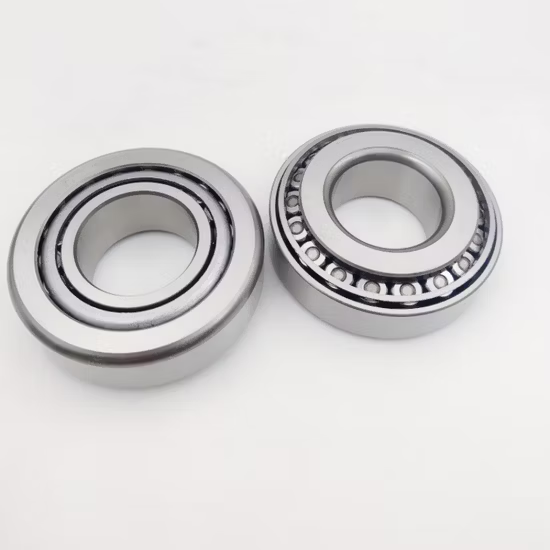
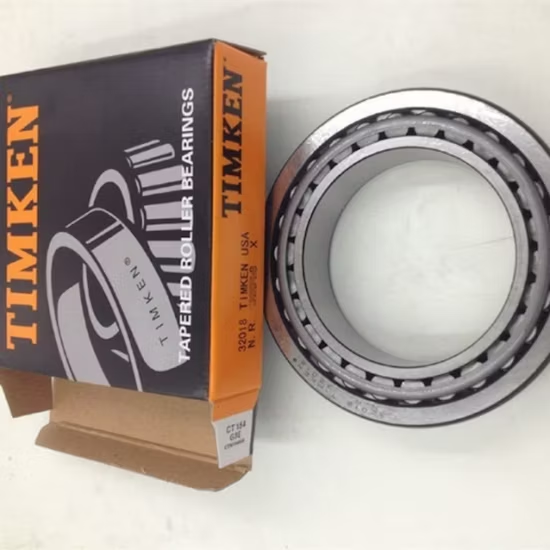
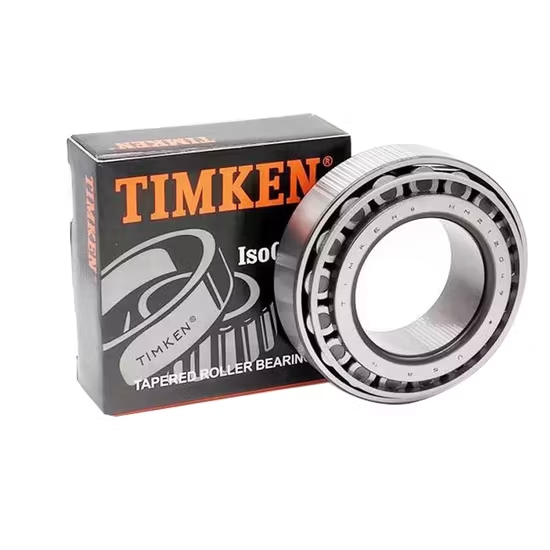
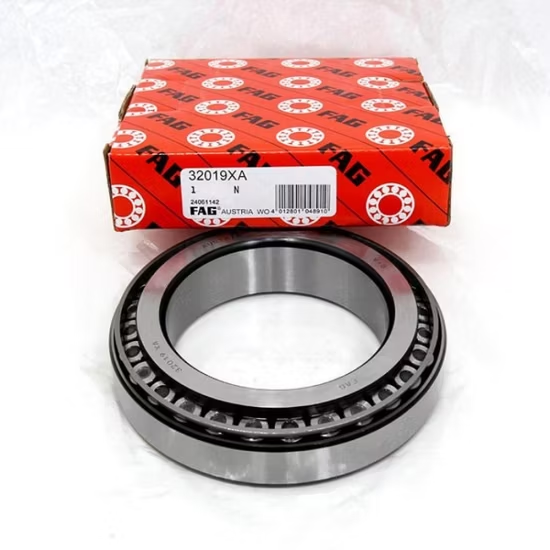
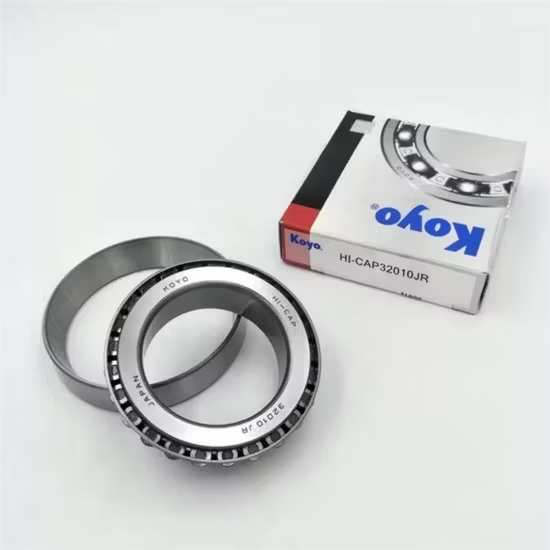
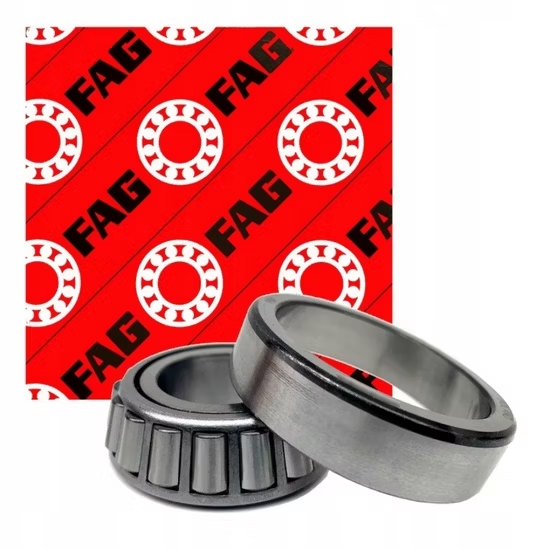
32004 320/22 Tapered Roller Bearing P4 — single row, 22 mm bore, GCr15 bearing steel construction. P4 precision class delivers tighter dimensional and running accuracy than standard P0, suited for industrial gearboxes and machine tool spindles demanding low vibration.
Full Brand Authorization — Sourcing mixed SKF, FAG, and NSK requirements in a single order eliminates multi-vendor coordination delays for your 32004 320/22 tapered roller bearing P4 inventory.
| Parameter | Value |
|---|---|
| Designation | 32004 320/22 |
| Product Type | Tapered Roller Bearing |
| Number of Rows | Single Row |
| Precision Class | P4 |
| Cage Material | Nylon / Brass / Iron options |
| Material | GCr15 (Bearing Steel) |
| Origin | Germany / Japan / Sweden / Malaysia / China |
| Industry | Typical Applications |
|---|---|
| Automotive & Heavy Vehicles | Wheel hub assemblies, truck axle differentials |
| Industrial Power Transmission | Heavy-duty gearbox shaft supports, reducer output stages |
| Machine Tool Manufacturing | High-precision spindle rear supports, rotary table drives |
| Building Material Machinery | Mixer drum trunnion bearings, conveyor drive pulleys |
A 32004 320/22 tapered roller bearing P4 designation only tells half the story; ignoring internal design variants guarantees field failure.
Cross-reference errors frequently occur when procurement teams match the base number but overlook critical internal variations. I once inspected a batch of 32004 bearings in Dubai that seized under high temperatures simply because the installed clearance did not match the OEM thermal expansion requirements. When a standard P0 grade is mistakenly installed in a precision spindle application, or when an iron cage is used where a high-speed nylon retainer was specified, the resulting thermal binding or cage fragmentation causes catastrophic downtime .
Selecting the correct 32004 320/22 tapered roller bearing P4 requires aligning the internal configuration with the specific load profile of your gearbox or wheel hub. Our technical review process verifies that the contact angle and roller profiling match the combined radial and axial forces present in your equipment, preventing premature raceway spalling and ensuring optimal load distribution across the single-row architecture.
Tapered roller bearings in automotive axles and industrial gearboxes face severe thermal gradients that directly impact operating clearance. As temperatures rise, the shaft and housing expand at different rates, potentially eliminating the internal clearance and causing the rollers to skew . Selecting the appropriate cage material—whether nylon for reduced friction and lower operating temperatures, or brass for high-vibration environments—is critical to maintaining a stable lubricant film and preventing metal-to-metal contact under heavy axial thrust.
The P4 precision class dictates significantly tighter tolerances for bore, outside diameter, and running accuracy compared to standard grades, which is essential for minimizing vibration in machine tool spindles and high-speed gearboxes. The GCr15 bearing steel provides the necessary core toughness and raceway hardness to withstand Hertzian contact stresses. Furthermore, the availability of nylon, brass, or iron cage options allows engineers to optimize the bearing for specific speed limits and vibration profiles, ensuring the retainer can withstand the centrifugal forces and lubricant drag inherent in the application.
Installing a bearing with mismatched internal geometry or incorrect precision leads to unplanned downtime and severe secondary damage to adjacent shafts and housings. According to failure analysis frameworks like ISO 15243, improper clearance selection is a primary driver of early-life fatigue and thermal seizure . The resulting warranty voidance and emergency freight costs far exceed the initial procurement savings of an incorrectly specified component.
We prevent the exact cross-reference errors that cause field failures by verifying not just the base 32004 or 320/22 number, but the exact cage material and precision suffix required by your OEM documentation. Our multi-brand authorization means we can supply traceable equivalents from top-tier manufacturers without compromising the internal design integrity. Every shipment is backed by application-based selection reviews that account for your specific load, speed, and temperature parameters, ensuring the bearing performs reliably in its intended environment.
To ensure the selected configuration perfectly matches your operational demands, please provide the specific radial and axial load profiles, operating speeds, and thermal environment of your application. Sharing the OEM equipment number or existing bearing markings allows our engineering team to perform a rigorous cross-reference check and L10 life calculation, guaranteeing the supplied 32004 320/22 tapered roller bearing P4 delivers optimal service life without guesswork.
Q: Why is matching the base number insufficient when cross-referencing a 32004 or 320/22?
A: Base numbers only define the outer dimensions. Ignoring internal design variants, cage materials, or precision suffixes leads to catastrophic mismatches. A standard clearance bearing installed in a high-temperature gearbox will seize, while an iron cage used in a high-speed spindle will fracture. We verify every internal parameter against your OEM specifications to ensure exact functional equivalence.
Q: How does P4 precision differ from standard grades in practical applications?
A: P4 precision enforces significantly tighter tolerances on bore, outside diameter, and running accuracy. In machine tool spindles or high-speed industrial gearboxes, this minimizes vibration, reduces heat generation, and ensures precise rotational control. Standard grades lack this strict geometric control, leading to premature fatigue and unacceptable noise levels in precision-demanding environments.
Q: How do I choose between nylon, brass, and iron cages for this single-row design?
A: Cage selection depends on your specific operating envelope. Nylon cages offer lower friction and are ideal for high-speed, moderate-temperature applications. Brass cages provide superior strength and durability in high-vibration or high-temperature environments. Iron cages are typically used in heavy-load, low-to-moderate speed applications where cost and basic structural rigidity are the primary concerns.
Q: What is the most reliable way to verify the authenticity of the supplied bearings?
A: Counterfeiters often clone visual markings and basic QR codes. We provide original manufacturer batch traceability and a Certificate of Conformity. You can verify authenticity directly by scanning the bearing's QR code using the brand's official mobile application, which checks the unique cryptographic signature against the manufacturer's central database, ensuring the GCr15 material and P4 precision are genuine.
Q: What mounting precautions are critical for single-row tapered roller bearings?
A: Proper mounting requires controlling the axial adjustment to set the correct operating clearance or preload. Over-tightening eliminates internal clearance, causing immediate thermal seizure, while under-tightening allows excessive roller skewing and raceway damage. Always use calibrated induction heaters for fitting the inner ring and ensure the shaft shoulder is perfectly square to prevent distorting the precision-machined components.
Our 5-step process ensures every order is engineered, validated, and supported for optimal performance.
Technical needs assessment
Custom specifications
Free samples for $50k+
Pre-shipment inspection
On-site & predictive
Our certified engineers respond within 24 hours with detailed technical specifications, pricing, and lead time information.